Enhancing Your Garden Design with the Brazilian vervain Plant: A Landscaping Guide
1
Brazilian vervain offers a striking visual impact due to its distinct aesthetic features.
2
Introduce Brazilian vervain during early spring or autumn for best growth and root establishment.
3
Brazilian vervain supports biodiversity by drawing numerous pollinators to your outdoor space.
Introducing Brazilian Vervain to Your Garden
Understanding the Unique Aesthetic of Brazilian Vervain
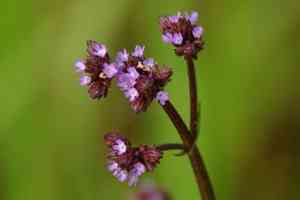
Brazilian vervain offers a distinct visual appeal to any garden with its tall, slender stems and delicate, lavender-hued, clustered blooms. The plant's airy form creates an elegant, ethereal look that can gracefully sway in the breeze, adding dynamic and visually engaging movement to your garden. This adaptable beauty fits well in various garden styles, whether you aim for a formal design or a more relaxed, cottage garden feel.
Best Placement for Brazilian Vervain in Landscapes
When deciding where to position Brazilian vervain in your landscape, consider spots that receive ample sunlight. Brazilian vervain thrives in bright conditions and will flourish when planted in sunny areas, producing abundant flowers throughout its blooming period. Integrate Brazilian vervain into your garden borders, perennial beds, or as part of a wildflower meadow. This plant is excellent for filling spaces between shrubs and other perennials, lending vertical interest and softening the edges of pathways and garden beds.
Complementary Plants to Pair with Brazilian Vervain
To enhance your garden's splendor, combine Brazilian vervain with plants that complement its structure and color. Consider planting it alongside ornamental grasses, which add texture and movement. Lavender, coneflowers, and salvia can boost visual appeal by offering contrasting shapes and hues. These combinations will ensure a harmonious garden composition that is both attractive and conducive to healthy plant growth.
Seasonal Considerations for Brazilian Vervain
When is the Best Time to Plant Brazilian Vervain?
The ideal time to plant Brazilian vervain is during early spring or autumn. These seasons provide cooler temperatures, which help young plants establish robust root systems before summer's heat or winter's cold arrives. Prepare the planting site by ensuring good soil drainage and incorporating organic matter to enrich the soil. Proper spacing of plants will allow them to spread without overcrowding.
Managing Seasonal Changes with Brazilian Vervain
Brazilian vervain is a resilient plant that can adapt to various seasonal shifts. In summer, ensure it receives sufficient water during dry spells, but be careful not to overwater as this can lead to root rot. As fall approaches, trimming spent flowers can encourage a second bloom. During winter, Brazilian vervain should require minimal attention, but a layer of mulch can help protect its roots from freezing temperatures.
Design Techniques Using Brazilian Vervain
Creating Focal Points with Brazilian Vervain
Utilize Brazilian vervain to establish striking focal points in your landscape design. Its tall, elegant stems and clusters of flowers naturally draw the eye and can be employed to highlight key areas in your garden. Plant Brazilian vervain in groups to make a bold statement or scatter it throughout the garden for a unified, cohesive look. Its height and structure make it perfect for creating visual interest without overpowering other garden elements.
Using Brazilian Vervain to Define Spaces and Borders
Brazilian vervain is excellent for delineating different areas within your garden. Use it to line paths, creating a natural corridor that guides visitors through your garden. It can also serve as a living fence, providing a soft partition between various garden zones. This plant's tall and airy nature helps define space without creating a harsh barrier, maintaining an open and inviting atmosphere.
Maintenance Tips for Brazilian Vervain in Landscapes
Basic Upkeep Requirements for Brazilian Vervain
Brazilian vervain is relatively low-maintenance, making it a favorite among gardeners seeking beauty with minimal effort. Water young plants regularly to aid establishment, but once mature, Brazilian vervain is drought-tolerant and only needs watering during extended dry periods. Prune away dead or faded flowers to encourage continuous blooming and help the plant maintain a tidy appearance. Fertilization is typically unnecessary, especially if the soil is already rich in organic matter.
Dealing with Common Challenges in Growing Brazilian Vervain
While Brazilian vervain is generally robust, it can still encounter a few issues. Watch out for aphids and spider mites, which can be managed with insecticidal soap or a strong spray of water. Additionally, ensure the soil is well-drained to prevent root rot, a common problem in overly wet conditions. Regularly monitor the plant's health and take action at the first sign of pests or disease to keep your Brazilian vervain thriving.
Environmental Benefits of Including Brazilian Vervain in Landscaping
Exploring Brazilian Vervain's Role in Ecosystem Support
Brazilian vervain plays a vital role in supporting your garden's ecosystem. Its brightly colored flowers attract a wide array of pollinators, including bees, butterflies, and hummingbirds, which are crucial for the pollination of many garden plants. By providing a consistent source of nectar, Brazilian vervain helps maintain a healthy pollinator population, which in turn supports the overall productivity and health of your garden.
How Brazilian Vervain Contributes to Biodiversity
Incorporating Brazilian vervain into your landscape promotes biodiversity by creating a habitat for various insects and beneficial wildlife. The plants act as host species for certain butterfly larvae and provide shelter for small garden creatures. This increased biodiversity can help create a balanced and sustainable garden ecosystem, reducing the need for chemical interventions and fostering a naturally resilient garden environment.



