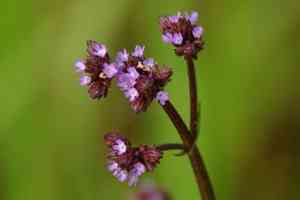
Brazilian vervain (Verbena brasiliensis)
Also known as: Brazil vervain
Brazilian vervain (Verbena brasiliensis) is a clump-forming perennial herb that can reach heights between 91 and 183 cm, with a spread of 30 to 91 cm. It produces small, fragrant purple flowers that bloom from summer until the first frost. The plant thrives in full sun and is both drought and heat tolerant. It grows well in various soil types, including poor and disturbed soils, and is commonly found in open areas like fields and roadsides. This species is known for attracting pollinators and can become invasive in some regions due to its prolific seed production.
In This Article
Attributes of Brazilian vervain
Lifespan
Annual, Perennial
Plant Type
Herb
Plant Height
90 cm to 1.8 m
Spread
30 cm to 90 cm
Leaf Color
Green
Flower Size
3 mm to 4 mm
Flower Color
Purple Pink Lavender
Images of Brazilian vervain
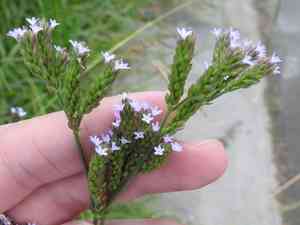
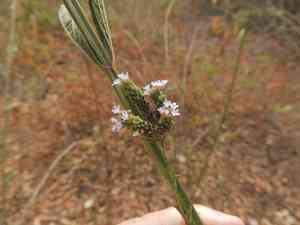
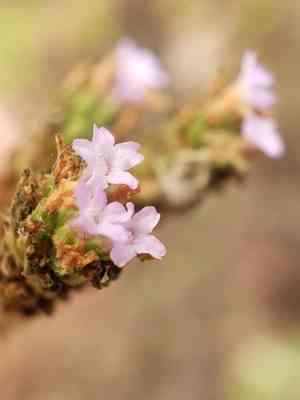
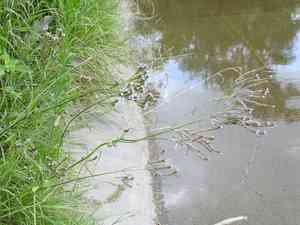
Quickly Identify Brazilian vervain
1
Clustered tubular flowers, vibrant purple to lilac, atop erect stems with fine hairs.
2
Sessile leaves with serrate margins, tapered base, distinctive pinnate veins, and stiff hairs.
3
Four-sided green stem with ridges, stiff hairs, and branching pattern maintaining square form.
4
Terminal spikes of small blue, pink, or purple flowers with lobed corolla and fine hairs.
5
Fruit splits into two hard, brown nutlets, each around 0.12 inches (3 mm) in diameter.
Scientific Classification of Brazilian vervain
Phylum
Vascular plants
Class
Dicotyledons
Order
Lamiales
Family
Verbena
Genus
Vervains
Species
Brazilian vervain
Planting and Growing of Brazilian vervain
Care Difficulty
Easy
Watering Schedule
Every 8 days
Sunlight Requirements
Full sun
Sunshine Duration
6-10 hours
Ideal Temperature
68-86℉
Soil Type
Potting Mix, Peat Mix
Soil pH
6.5-7.5
Fertilizer Type
Balanced
Pruning Season
Spring, Summer
Pruning Area
Branches, Leaves
Pruning Frequency
2 times a year
Repotting Season
Spring
Pot Type
Plastic, Ceramic
 How to Water Brazilian vervain?
For Verbena brasiliensis, water should reach about 200 ml per session. It's crucial to monitor soil moisture, ensuring it stays slightly damp without becoming overly soggy. Aim for consistent, even distribution across the root zone without water pooling.
What are the symptoms of an underwatered Brazilian vervain?
›
What should I do if my Brazilian vervain is not getting enough water?
›
What are the symptoms of an overwatered Brazilian vervain?
›
How to save an overwatered Brazilian vervain?
›
 What Are the Sunlight Requirements for Brazilian vervain?
Verbena brasiliensis benefits significantly from full to partial sunlight exposure. This range promotes vibrant blooms and healthy foliage, supporting robust plant development.
More About Sunlight Requirements Techniques→
What is the optimal light intensity for Verbena brasiliensis?
›
How can I manage light exposure for Verbena brasiliensis indoors?
›
What are the benefits of ideal light conditions for Verbena brasiliensis?
›
 What Is the Ideal Temperature Range for Brazilian vervain?
The most suitable temperature range for Verbena brasiliensis to thrive is between 68°F and 86°F. This range enables optimal growth and blooming, ensuring the plant develops vibrant and healthy foliage. Consistently maintaining temperatures within this range helps in maximizing the plant’s potential, improving its overall health and productivity.
 What Soil is Best for Brazilian vervain?
Verbena brasiliensis thrives in soil with good drainage. This prevents waterlogging and root rot, ensuring the plant maintains a healthy growth cycle. The drainage capability of sandy loam makes it an ideal option. To flourish, Verbena brasiliensis requires nutrient-rich soil. Loamy soil naturally provides an abundance of nutrients, promoting vigorous growth and blooming. While good drainage is crucial, soil must also retain adequate moisture. Sandy loam balances these needs, holding moisture without becoming waterlogged, perfect for stable growth.
 How to Fertilize Brazilian vervain?
When fertilizing Verbena brasiliensis, use a balanced fertilizer with an NPK ratio of 10-10-10 to maintain healthy growth. Apply liquid fertilizer at a diluted strength, about one-fourth of the recommended concentration on the package, to avoid root burn.
 How to Prune Brazilian vervain?
For a clean cut that heals well, use sharp, sterilized pruning shears. Dull tools might damage the plant, creating an entry point for disease. When pruning your Verbena brasiliensis, make cuts just above a leaf node. This encourages new growth to spring from the node, resulting in a fuller plant over time. Regularly remove spent flowers to prolong the blooming season. Pinch or snip off the faded blooms to direct the plant's energy towards producing more vibrant blossoms.
More About Pruning Techniques→
 How to Propagate Brazilian vervain plant?
1
Start by filling the seed tray with a high-quality potting mix. Scatter the Verbena brasiliensis seeds evenly and cover them with a thin layer of soil. Water lightly to moisten the soil without disturbing the seeds.
2
Choose healthy stems approximately 4-6 inches long. Cut just below a node using pruning shears. Remove the lower leaves and place the cutting in water or a rooting medium to encourage root growth.
3
For both seed and cutting propagations, maintain a warm and humid environment. This can be achieved by covering the tray or pots with plastic or using a propagation mat to provide bottom heat.
 How to Repot Brazilian vervain plant?
1
For Verbena brasiliensis, repotting is best indicated when you notice signs such as roots emerging from the pot's drainage holes, or when the plant appears to be overcrowded and growth is stunted. These signals suggest that the plant has outgrown its current pot and requires more space to thrive.
2
Select a pot that is 1-2 inches larger in diameter than the current one. A slightly larger pot provides room for growth without overwhelming the plant. Ensure that the new pot has adequate drainage holes, as this prevents waterlogging, promoting healthier root growth and reduced risk of root rot.
3
Choose a well-draining potting mix rich in organic matter. This type of soil promotes excellent aeration and moisture retention, crucial for Verbena brasiliensis, as it requires consistent moisture but cannot tolerate waterlogged conditions. Such soil supports robust root development.
Learn More About Brazilian vervain Diseases
Anthracnose
Bacterial Leaf Spot
Bacterial Soft Rot
Bacterial Wilt
Damping-off
Downy Mildew
Drought Stress
Fusarium Wilt
Gray Mold
Leaf Spot
Mosaic
Nutrient Deficiency
Nutrient Toxicity
Powdery Mildew
Root Rot
Root-knot Nematode
Rusts
Sooty Mold
Spider Mites
Temperature Stress
Thrips Damage
White Mold



