Enhancing Your Garden Design with the Wishbone flower Plant: A Landscaping Guide
1
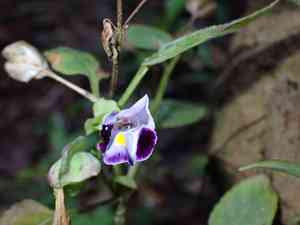
Torenia, a charming bloom, can enliven any garden with its distinct color range.
2
Adding Torenia to your outdoor space can draw in helpful creatures like bees and butterflies.
3
Torenia flourishes optimally when sown at the appropriate time, guaranteeing extended flowering.
An Introduction to Torenia in Landscape Design
What is Torenia?
Torenia, commonly known as the Wishbone flower, is a charming annual from the Torenia fournieri family. It's recognized by its vibrant, tubular blossoms, often showcasing captivating patterns and shades from blue and lavender to pink and white. This plant flourishes in partial shade, making it perfect for brightening challenging, less sunny garden spots. Its compact growth habit also suits both garden beds and containers well.
Why incorporate Torenia into your landscape?
Integrating Torenia into your landscape offers several advantages. Primarily, its vivid blooms significantly boost your garden's visual appeal. Moreover, Torenia is relatively low-maintenance, making it suitable for gardeners of all skill levels. It provides excellent ground cover and thrives in shaded areas where other plants might struggle. Additionally, this flower attracts pollinators like bees and butterflies, enhancing your garden's biodiversity.
Design Concepts for Integrating Torenia in Your Garden
Border and Edging Ideas
Torenia excels as a border plant due to its small size and colorful flowers. Planting them along paths, garden edges, or borders can create an attractive and striking outline. Their dense foliage and abundant flowering also help soften hardscapes, adding a more natural flow to your garden design.
Creating Focal Points with Torenia
To establish a focal point in your garden, consider planting a cluster of Torenia in a prominent spot. This could be at the center of a flower bed, near a water feature, or surrounding a statue. The vibrant hues of Torenia draw the eye and can provide a burst of color that stands out against the green foliage of other plants.
Combining Torenia with Other Plants
Torenia can be an excellent companion plant for various other species. Pairing Torenia with taller plants like ferns or hostas can add depth and interest to your garden design. The contrasting colors and textures can create a more dynamic and visually engaging garden space. When mixing plants, ensure they share similar sunlight and water needs for harmonious growth.
Color and Texture: Torenia's Contribution to Aesthetics
Exploring Torenia's Color Range
Torenia boasts a diverse color palette, making it a versatile choice for many garden styles. Its flowers can appear in soft pastels, rich royal blues, and vibrant magentas. This variety allows gardeners to experiment with different color combinations, creating stunning visual contrasts or harmonious blends in their gardens.
Texture Variations and Visual Impact
Beyond their colorful blooms, Torenia also adds texture to your garden. The delicate, tubular flowers and lush, green foliage offer a soft, inviting appearance. This contrast with the coarser textures of stones or wooden elements can add a layer of visual complexity to your landscape, making it more engaging and appealing.
Seasonal Considerations for Planting Torenia
Optimal Planting Time for Torenia
The best time to plant Torenia is in late spring, once the risk of frost has passed. This ensures that the young plants are not harmed by cold temperatures. Planting during this period allows the flowers ample time to establish and bloom throughout the summer and into early fall.
Maintaining Torenia Across Seasons
Maintaining Torenia involves consistent watering, especially during dry periods, as they prefer continuously moist soil. Deadheading, or removing spent flowers, encourages ongoing blooming. In the fall, before the first frost, it's advisable to remove the plants since they are annuals and won't survive winter. However, you can collect seeds or plan to replant new ones in the next growing season.
Torenia's Impact on Biodiversity and the Environment
Benefits for Local Wildlife
Torenia is known to attract various pollinators, such as bees and butterflies, which are crucial for maintaining a healthy garden ecosystem. By providing nectar and pollen, Torenia supports these beneficial insects, promoting higher pollination rates and contributing to your garden's biodiversity.
Ecological Footprint of Growing Torenia
Cultivating Torenia has a relatively low ecological footprint. These flowers do not demand excessive use of fertilizers or pesticides, making them an environmentally friendly choice for your garden. Additionally, their ability to thrive in semi-shaded areas can reduce the need for extensive watering, conserving water resources and contributing to more sustainable gardening practices.



