Enhancing Your Garden Design with the Cabbage rose Plant: A Landscaping Guide
1
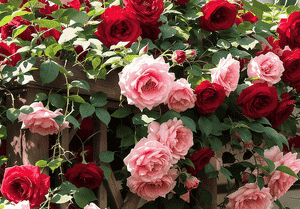
Cabbage rose offers visual appeal and a pleasant scent, making it a favored addition to numerous gardens.
2
Selecting an appropriate site for Cabbage rose guarantees its best development and flowering.
3
Consistent care, such as trimming and pest control, is crucial for Cabbage rose's healthy growth.
Introduction to Cabbage rose in Landscaping
Overview of Cabbage rose aesthetic appeal
When it comes to enhancing your garden's beauty, few plants rival the elegance of the Cabbage rose. With its lush, densely-packed blooms and striking colors, it creates a visual focal point that can transform any garden space. The charming, delicate flowers evoke a sense of timeless beauty unmatched by other plants. Whether you're designing a formal garden or a relaxed, cottage-style landscape, the Cabbage rose's aesthetic versatility makes it a perfect addition.
The popularity of Cabbage rose in modern gardens
In recent years, the Cabbage rose has seen a surge in popularity among gardeners and landscape designers. This resurgence is due to the plant's combination of beauty, hardiness, and fragrance. Modern gardeners appreciate its ability to thrive in diverse climates while still producing exceptional blooms. Furthermore, the fragrant flowers add another layer of sensory pleasure, attracting pollinators and providing a delightful scent that enchants garden visitors.
Choosing the Right Location for Cabbage rose
Factors to consider for optimal growth
Selecting the ideal spot for your Cabbage rose is crucial for its development. First, consider the available space, as Cabbage roses can grow quite large, ensuring ample room to spread without crowding other plants. Additionally, good air circulation is essential for maintaining health and preventing diseases. Ensure the location is protected from strong winds by providing natural windbreaks, such as fences or tree lines.
Lighting and soil requirements
Cabbage roses thrive best in locations with full to partial sun, requiring at least five to six hours of direct sunlight daily. This level of sunlight promotes healthy growth and abundant flowering. As for soil, Cabbage roses prefer well-drained, loamy soil rich in organic matter. Good drainage is essential, as waterlogged roots can lead to plant diseases. Enhancing your soil with compost or well-rotted manure before planting can significantly boost its blooming potential.
Incorporating Cabbage rose into Garden Themes
Complementing Cabbage rose with other plants
To maximize the impact of Cabbage roses in your garden, it's essential to consider companion plants. Cabbage roses complement a wide variety of flora, from other flowering plants with contrasting colors to greenery that highlights their vibrant blooms. Consider pairing them with plants like lavender or salvia, which offer complementary hues and textures, or with ornamental grasses that provide a pleasing contrast while allowing the Cabbage rose to stand out.
Theme ideas: Romantic, Cottage, and Classic
The Cabbage rose is a versatile plant that fits beautifully into several garden styles. For a romantic garden, surround it with pastel-colored flowers and whimsical elements like fairy lights or vintage benches. In a cottage garden, mix Cabbage roses with a generous blend of perennials and annuals, creating a riot of color and form. For a classic garden, create structured beds with defined borders, allowing the refined beauty of the Cabbage rose to be the show-stopper.
Maintenance Tips for Cabbage rose
Regular pruning and deadheading
Maintaining Cabbage roses involves routine pruning and deadheading. Pruning helps shape the plant, control its size, and encourage new growth. For optimal results, prune in early spring before new growth begins. Deadheading, or removing spent flowers, is also crucial as it redirects the plant's energy from seed production back to more blooming. This practice keeps your Cabbage rose vibrant and prolongs the flowering season.
Managing pests and diseases
Keeping Cabbage roses healthy also means being vigilant about pests and diseases. Common pests include aphids and spider mites, which can be controlled with insecticidal soap or neem oil. Additionally, Cabbage roses can be prone to fungal diseases like black spot and powdery mildew. Prevent these diseases with regular watering at the base of the plant, ensuring leaves remain dry, and by spacing your plants adequately to promote good air circulation.
Seasonal Care for Cabbage rose
Winter protection strategies
To protect Cabbage roses during winter, it's essential to prepare them for lower temperatures and potentially harsh conditions. Mulch around the base of the plant to insulate the roots, and consider using a burlap wrap or windbreak to shield it from strong cold winds. Before the first hard freeze, a deep watering can also help the Cabbage rose manage through dormancy by providing necessary moisture.
Optimizing growth in the spring and summer
As spring arrives, it's time to focus on rejuvenating your Cabbage rose for another season of growth. Start by removing any winter protection like mulch and burlap, and perform a thorough pruning to remove any dead or damaged stems. During the active growing season in spring and summer, ensure your Cabbage rose receives ample water, especially during dry spells, and supplement its nutrition with a balanced, slow-release fertilizer to support its prolific blooming.



