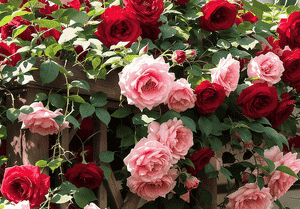
Cabbage rose (Rosa centifolia)
Also known as: Rose de mai, Hundred-leaved rose
Rosa × centifolia, commonly called the cabbage rose, is a hybrid rose species originating from Grasse, France, which is famed as the world's perfume capital. Known for its intense fragrance, the cabbage rose is a key ingredient in producing rose oil for perfumes. Although it is established that this species is a hybrid, its precise genetic lineage remains somewhat obscure.
In This Article
Attributes of Cabbage rose
Lifespan
Perennial
Plant Type
Shrub
Plant Height
2 m to 3 m
Spread
1.2 m
Leaf Color
Green
Flower Size
2.5 cm to 8 cm
Flower Color
Pink White Red Purple
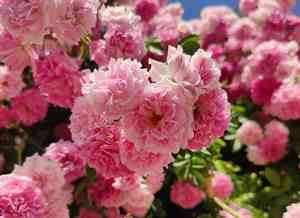
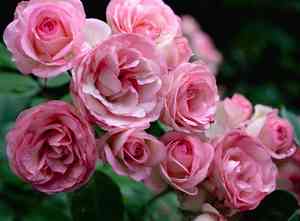
Images of Cabbage rose


Quickly Identify Cabbage rose
1
Rosa centifolia can be identified by its densely packed petals that form a rounded bloom, its strong and sweet fragrance, and its thorny stems. The leaves are pinnate with 5 to 7 leaflets.
Scientific Classification of Cabbage rose
Phylum
Vascular plants
Class
Dicotyledons
Order
Rosales
Family
Rose
Genus
Roses
Species
Cabbage rose
Planting and Growing of Cabbage rose
Care Difficulty
Hard
Watering Schedule
Every 4 days
Sunlight Requirements
Full sun
Sunshine Duration
10-14 hours
Ideal Temperature
60-75℉
Soil Type
Potting Mix, Peat Mix
Soil pH
6.5-7.5
Fertilizer Type
Balanced
Pruning Season
Spring, Summer
Pruning Area
Branches, Leaves
Pruning Frequency
2 times a year
Repotting Season
Spring
Pot Type
Plastic, Ceramic
 How to Water Cabbage rose?
Rosa centifolia, known as the 'Cabbage Rose', thrives best when watered to keep the soil consistently moist but not waterlogged. Ensure each watering session provides about 500 milliliters to deeply penetrate the soil, aiding the roots in reaching essential nutrients. The principle is to mimic gentle, consistent rainfall rather than heavy downpours.
More About Watering Techniques→
What are the symptoms of an underwatered Cabbage rose?
›
What should I do if my Cabbage rose is not getting enough water?
›
What are the symptoms of an overwatered Cabbage rose?
›
How to save an overwatered Cabbage rose?
›
 What Are the Sunlight Requirements for Cabbage rose?
Rosa centifolia flourishes best in full to partial sun environments, where it receives six to eight hours of sunlight daily. This light range ensures that the plant undergoes successful photosynthesis, leading to enhanced flowering, vibrant blooms, and healthy foliage.
More About Sunlight Requirements Techniques→
Optimal Growth
›
Problem Resolution
›
Benefits of Ideal Sunlight
›
 What Is the Ideal Temperature Range for Cabbage rose?
For optimal growth, Rosa centifolia thrives best in a temperature range from 60°F to 75°F. These conditions ensure the plant performs photosynthesis efficiently, resulting in healthier blooms and foliage. Maintaining this range maximizes nutrient uptake and overall vitality.
 What Soil is Best for Cabbage rose?
Rosa centifolia thrives in well-draining soil, preventing waterlogging which can lead to root rot. Ensuring good drainage helps maintain plant health and supports robust growth. This rose variety benefits from soil rich in organic matter. Amending the soil with compost or decomposed leaves can provide essential nutrients for lush blooms and vigorous growth. While the soil should be well-draining, it should also retain some moisture to keep the plant hydrated. Mulching can help maintain the right moisture levels, promoting sustained flowering.
More About Soil→
 How to Fertilize Cabbage rose?
For Rosa centifolia, a balanced fertilizer with an NPK ratio of approximately 5-10-5 is ideal. Use about 1/4 to 1/2 cup per plant for slow-release granules, and ensure the liquid fertilizer is diluted to half the recommended strength on the package.
More About Fertilizing Techniques→
 How to Prune Cabbage rose?
Prune Rosa centifolia after the last frost in spring to remove any winter damage. Avoid heavy pruning during flowering season, as it can reduce the number of blooms. Keep the natural growth habit in mind. Aim to create an open center which facilitates better air circulation, reducing the risk of mildew on your roses. Apply a fungicidal sealant on larger cuts to protect from fungal infections. This is especially important in wet climates where humidity can foster pathogens.
More About Pruning Techniques→
 How to Propagate Cabbage rose plant?
1
Choose a healthy stem from the parent plant, preferably one that is about pencil thickness, with several leaf nodes. The stem should be disease-free and vigorous.
2
Cut a stem section about 6 to 8 inches long. Remove the leaves from the bottom half of the cutting, and dip the cut end in rooting hormone for optimal root development.
3
Insert the cutting into a pot filled with a well-draining propagation mix. Water the soil thoroughly and place the pot in a location with bright, indirect sunlight.
 How to Repot Cabbage rose plant?
1
Rosa centifolia typically needs repotting when you notice roots emerging from the drainage holes or showing a lack of vitality. Springtime, before active growth, is ideal for minimizing stress. Keeping an eye on foliage wilt also hints at cramped roots and a need for more space.
2
Opt for a pot that is one size larger than the current one, ensuring it has good drainage holes to prevent waterlogging. Terra cotta pots are excellent as they allow for air circulation, promoting healthier roots and reducing the risks of root rot issues.
3
A loamy soil mix enriched with organic matter offers the best foundation for Rosa centifolia. This type of soil retains essential nutrients while ensuring excess water drains away, crucial for preventing waterlogged conditions and encouraging healthy root development.



