Enhancing Your Garden Design with the Bigleaf magnolia Plant: A Landscaping Guide
1
The Bigleaf magnolia can grow as tall as 40 feet, making it a striking feature in any landscape.
2
This species thrives best in soil that drains well and receives either partial or full sun.
3
Incorporating a Bigleaf magnolia into your garden design can establish a magnificent centerpiece and elevate its visual appeal.
Introducing Bigleaf Magnolia in Garden Design
Discover the Visual Charm of Bigleaf Magnolia
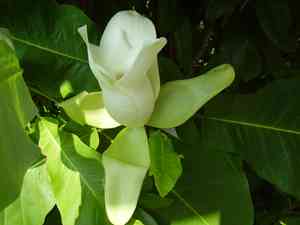
Bigleaf magnolia offers a stunning addition to any garden, recognized for its expansive foliage and impressive blooms. Its distinctive appearance can instantly elevate the beauty of your outdoor area. The large, verdant leaves provide a tropical ambiance, while the flowers contribute a touch of grace and color. Whether aiming for a tranquil garden retreat or a lively outdoor entertaining space, Bigleaf magnolia's aesthetic appeal makes it a versatile option.
Understanding Bigleaf Magnolia's Growth Patterns
Prior to planting Bigleaf magnolia, comprehending its growth habits is vital. This plant can reach heights of up to 40 feet, with a spread of approximately 30 feet. It also favors well-draining soil and requires partial to full sun exposure. Grasping these growth patterns aids in making informed decisions about where to place Bigleaf magnolia and how to care for it. Knowing it's a slow-growing species will also allow you to plan your garden layout accordingly and ensure ample room for development.
Choosing the Perfect Spot for Bigleaf Magnolia
Key Considerations: Soil Type and Sunlight Exposure
Selecting the appropriate location for Bigleaf magnolia involves evaluating the soil type and the amount of sunlight the area receives. Bigleaf magnolia flourishes in well-drained, slightly acidic soil. You should avoid areas with heavy clay or excessively moist soil, as these conditions can impede the plant's growth. Furthermore, Bigleaf magnolia needs at least six hours of daily sunlight, so choosing a spot with partial to full sun is ideal. Ensuring these conditions will foster robust growth and the overall health of Bigleaf magnolia.
Positioning Bigleaf Magnolia for Optimal Development and Visual Impact
For peak growth and the best visual effect, place Bigleaf magnolia where it can stand out yet integrate seamlessly into the overall garden design. Consider planting Bigleaf magnolia as a central feature in a large garden bed or at the rear of a border to provide height and lushness. Its large leaves and flowers can create a striking focal point. Additionally, ensure sufficient space around it to accommodate its mature size. Correct placement will guarantee it becomes a spectacular element of your garden.
Integrating Bigleaf Magnolia into Design Concepts
Creating Eye-Catching Features with Bigleaf Magnolia
Bigleaf magnolia can be utilized to establish prominent focal points in your garden design. Its impressive stature and expansive leaves naturally draw attention, making it perfect for creating a standout area in your garden. You can plant Bigleaf magnolia in a conspicuous location where its beauty can be fully appreciated, such as near an entrance or in the center of a garden bed. This approach not only adds interest to your garden but also highlights the unique characteristics of Bigleaf magnolia.
Companion Planting Ideas for Bigleaf Magnolia
To enhance Bigleaf magnolia's appeal even further, consider companion planting. Surrounding Bigleaf magnolia with smaller plants that offer contrasting colors or textures can boost its visual charm. For instance, planting ferns, hostas, and other shade-tolerant perennials around Bigleaf magnolia can create a lush, multi-layered appearance. Additionally, consider using ground covers to keep the area around Bigleaf magnolia neat and free of weeds. This complementary planting strategy will result in a cohesive and attractive garden design.
Seasonal Design Considerations
Designing your garden with Bigleaf magnolia involves contemplating its appearance across different seasons. Bigleaf magnolia provides stunning visuals throughout the year, but you can amplify this by planning plantings that offer seasonal interest. In spring, Bigleaf magnolia's flowers will be the highlight, while its large leaves will be prominent in summer. Pairing it with fall-blooming plants or those with vibrant autumn foliage can keep your garden looking beautiful as the seasons change. Planning for seasonal variations ensures your garden remains appealing year-round.
Caring for Bigleaf Magnolia in Your Landscape
General Upkeep Advice for Bigleaf Magnolia
Maintenance is crucial for keeping Bigleaf magnolia healthy and thriving. Consistent watering, especially during dry periods, is essential. However, be careful not to overwater, as Bigleaf magnolia prefers well-draining soil. Mulching around the base can help retain moisture and regulate soil temperature. Additionally, annual pruning of dead or damaged branches will ensure Bigleaf magnolia maintains its form and health. Following these maintenance tips will help your plant flourish and remain a beautiful feature in your garden.
Addressing Common Issues
Like any plant, Bigleaf magnolia can encounter certain difficulties, such as pest infestations and diseases. Common pests include aphids and scale insects, which can be managed with appropriate treatments like horticultural oils or insecticidal soaps. Diseases like leaf spot or fungal infections can be alleviated by ensuring proper air circulation and avoiding overhead watering. Being proactive and addressing these challenges promptly will help keep Bigleaf magnolia healthy and your garden looking its best.



