Enhancing Your Garden Design with the Beach sunflower Plant: A Landscaping Guide
1
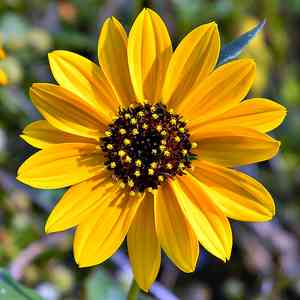
Coastal sunflower flourishes in sandy ground and seaside areas, perfect for ocean-themed gardens.
2
Coastal sunflower draws in beneficial insects such as butterflies and bees, fostering a thriving garden environment.
3
Coastal sunflower pairs well with numerous other plants to form lively, colorful garden displays.
Introduction to Beach Sunflower in Landscaping
Understanding the Unique Characteristics of Beach Sunflower
Beach sunflower is a captivating plant recognized for its hardiness and beauty. It flourishes in sandy soils and coastal areas, thanks to its deep root systems and drought-resistant nature. The plant showcases vibrant yellow blossoms that can infuse a cheerful and lively atmosphere into any garden. Grasping these traits aids in effectively incorporating Beach sunflower into your landscape design, ensuring its prosperity and enhancement of the space.
The Aesthetic Value of Beach Sunflower in Outdoor Spaces
Beach sunflower offers considerable visual appeal to outdoor environments. Its bright, sun-like flowers can instantly uplift a garden's mood, fostering a warm and inviting setting. The plant's extended blooming period ensures your garden remains vibrant for most of the year. Furthermore, Beach sunflower's tendency to spread and fill empty areas in a garden makes it an excellent choice for ground cover, adding both texture and color to your landscape.
Planning Your Landscape with Beach Sunflower
Choosing the Right Location for Beach Sunflower
Selecting the ideal spot for Beach sunflower in your garden is vital for its development. This plant thrives in full sun and well-draining soil, so a location providing at least 6 hours of daily sunlight is optimal. Coastal regions are particularly suitable, given the plant's tolerance for sandy soils and salty air. Moreover, considering the plant's spreading habit, allocate ample room for it to grow without overpowering other plants in your garden.
Complementing Beach Sunflower with Other Plant Species
Pairing Beach sunflower with compatible plants can elevate your garden's visual appeal. Consider plants that flourish in similar conditions, such as other drought-tolerant varieties. Combining Beach sunflower with ornamental grasses or succulents can create a dynamic and low-maintenance landscape. Additionally, incorporating multi-seasonal bloomers ensures your garden stays colorful and engaging throughout the year. This thoughtful planning results in a balanced and striking garden.
Maintaining Beach Sunflower in Your Garden
Seasonal Considerations for Beach Sunflower
Maintaining Beach sunflower requires an understanding of its seasonal requirements. This plant typically blooms from spring to late autumn, needing consistent but moderate watering during these periods. In winter, especially in colder climates, you might need to offer some protection by mulching to insulate the roots. Pruning spent flowers and managing its spread can also prepare Beach sunflower for vigorous growth when warmer seasons return.
Practical Tips for Healthy Growth
Ensuring the healthy growth of Beach sunflower involves a few practical steps. Regularly remove any weeds that might compete for nutrients and water. Applying a layer of compost can provide essential nutrients and improve soil quality. While Beach sunflower is relatively pest-resistant, monitoring for common garden pests like aphids is crucial. If pests are detected, employing organic pest control methods helps maintain a healthy garden without harming beneficial insects.
Design Ideas Using Beach Sunflower in Various Landscape Styles
Integrating Beach Sunflower in Cottage Gardens
Beach sunflower is a perfect addition to cottage gardens, known for their informal, abundant, and charming designs. Its bright flowers contrast beautifully with the typically lush foliage of cottage gardens. Pair Beach sunflower with classic cottage plants like lavender, roses, and daisies to create a picturesque and whimsical landscape. This integration not only enhances visual appeal but also attracts various pollinators, bringing life and movement to your garden.
Utilizing Beach Sunflower in Coastal and Tropical Landscapes
The natural habitat of Beach sunflower makes it an ideal choice for coastal and tropical landscapes. Its ability to thrive in sandy, well-drained soils and its tolerance for salt make it a low-maintenance option for seaside gardens. In tropical landscapes, Beach sunflower can be used to create vibrant borders or as part of a mixed planting scheme with other tropical plants such as palm trees and hibiscus. This creates a lush, exotic ambiance that is both practical and stunning.
Impact of Beach Sunflower on Local Ecosystems and Biodiversity
Supporting Pollinators with Beach Sunflower
Beach sunflower plays a significant role in supporting local pollinators. The bright blooms attract bees, butterflies, and other beneficial insects, contributing to the pollination of nearby plants. By including Beach sunflower in your landscape, you not only enhance its beauty but also support the local ecosystem by providing essential resources for pollinators. This, in turn, helps maintain biodiversity and the health of your entire garden.
Contributions to Local Flora and Fauna
In addition to supporting pollinators, Beach sunflower contributes positively to local flora and fauna. The dense growth of Beach sunflower provides shelter and food for various small animals and birds. Its presence can help stabilize sandy soils, preventing erosion and fostering a stable environment for other plant species to thrive. By planting Beach sunflower, you are playing a part in preserving the natural balance and promoting a healthy, diverse ecosystem in your area.



