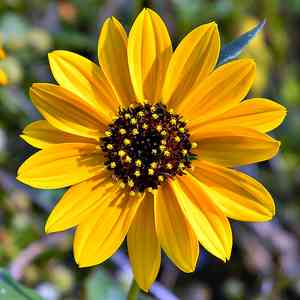
Beach sunflower (Helianthus debilis)
Also known as: Weak sunflower, Dune sunflower
The Beach Sunflower (*Helianthus debilis*) is widely cultivated along the Eastern United States coast. Known for its ability to withstand minor saltwater exposure, this sunflower species is frequently planted on beach dunes to create a dense ground cover that helps prevent erosion.
In This Article
Attributes of Beach sunflower
Lifespan
Perennial, Annual
Plant Type
Herb
Plant Height
61 cm to 1.2 m
Spread
60 cm to 1.2 m
Leaf Color
Green
Flower Size
5 cm to 8 cm
Flower Color
Yellow
Images of Beach sunflower

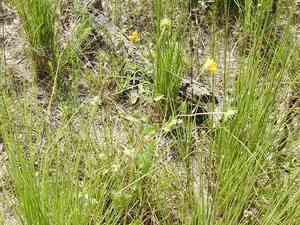
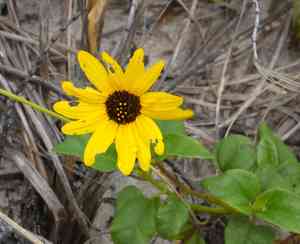
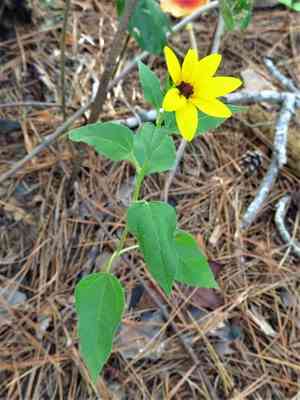
Quickly Identify Beach sunflower
1
Identify Helianthus debilis by its sprawling growth habit, bright yellow flowers with dark centers, and its rough, hairy stems and leaves. The leaves are generally broad, rough-textured, and may vary from triangular to lance-shaped.
Scientific Classification of Beach sunflower
Phylum
Vascular plants
Class
Dicotyledons
Order
Asterales
Family
Daisy
Genus
Sunflowers
Species
Beach sunflower
Planting and Growing of Beach sunflower
Care Difficulty
Easy
Watering Schedule
Every 8 days
Sunlight Requirements
Full sun
Sunshine Duration
6-10 hours
Ideal Temperature
68-77℉
Soil Type
Potting Mix, Peat Mix
Soil pH
6.5-7.5
Fertilizer Type
Balanced
Pruning Season
Spring, Summer
Pruning Area
Branches, Leaves
Pruning Frequency
2 times a year
Repotting Season
Spring
Pot Type
Ceramic, Plastic
 How to Water Beach sunflower?
For Helianthus debilis, it's essential to ensure that the soil is consistently moist but never waterlogged. During its growing period, a thorough soaking of about 500 milliliters every few days allows the plant roots to absorb what they need without being drowned. The goal is to maintain even moisture throughout the soil profile.
What are the symptoms of an underwatered Beach sunflower?
›
What should I do if my Beach sunflower is not getting enough water?
›
What are the symptoms of an overwatered Beach sunflower?
›
How to save an overwatered Beach sunflower?
›
 What Are the Sunlight Requirements for Beach sunflower?
Helianthus debilis prefers full sun, thriving with 6-8 hours of direct sunlight daily. Ideal light conditions maximize photosynthesis, promoting robust growth and abundant flowering while minimizing risks of leggy growth and weak stems.
More About Sunlight Requirements Techniques→
How much sunlight does Helianthus debilis require?
›
What are the best solutions for providing ideal sunlight?
›
What benefits does ideal sunlight bring to Helianthus debilis?
›
 What Is the Ideal Temperature Range for Beach sunflower?
For optimal growth, Helianthus debilis thrives within a temperature range of 68°F to 77°F. This range provides the best conditions for photosynthesis, ensuring robust foliar and floral development. Maintaining this temperature range helps the plant to grow healthily, with ample sunlight and water availability.
 What Soil is Best for Beach sunflower?
Helianthus debilis thrives in well-drained soils, preventing root rot. Ensuring good drainage facilitates healthy root development by allowing excess water to escape, which also promotes oxygen access. While not overly demanding, Helianthus debilis benefits from nutrient-rich soils. Incorporating organic matter like compost enhances soil fertility, providing essential nutrients and promoting vigorous growth. Soil aeration is crucial for Helianthus debilis, as compact soils hinder its growth. Loosened soil structure improves root penetration and gas exchange, crucial for optimal plant health and yield.
 How to Fertilize Beach sunflower?
For Helianthus debilis, applying the appropriate amount of fertilizer is crucial to ensure optimal growth. Use about one tablespoon of liquid fertilizer diluted in one gallon of water per plant when watering. For slow-release fertilizers, use approximately half a cup per square foot of soil in the early spring and mid-summer.
 How to Prune Beach sunflower?
Start by removing any dead or diseased stems back to healthy tissue using sharp, clean scissors or pruners. Focus on cutting above a node to encourage new growth in desired directions. To promote a fuller, bushier appearance, pinch back the tips of the growing stems. This can be done by using your fingers to gently remove the top inch of the plant, stimulating lateral buds to grow. Trim away any stems that are growing disproportionately to maintain an aesthetically pleasing shape and prevent the plant from becoming too leggy. Regularly remove spent flowers to encourage continuous blooming.
More About Pruning Techniques→
 How to Propagate Beach sunflower plant?
1
Before sowing seeds or planting cuttings, preparing the soil is crucial. Mix potting soil with sand to ensure good drainage. Ensure the soil is slightly moist but not wet to create an optimal environment for seed germination or rooting of cuttings.
2
Helianthus debilis seeds should be sown on the surface of the soil and covered lightly. Maintain a consistent moisture level in the soil and place the seed tray in a warm, sunny location to ensure seedling emergence in 7-14 days.
3
Select a healthy, non-flowering stem from the plant. Make a clean cut about 4-6 inches long and remove the lower leaves. Dip the cutting's base into rooting hormone before planting it in a prepared pot with moist soil.
 How to Repot Beach sunflower plant?
1
Knowing when to repot Helianthus debilis is crucial for its growth. You should consider repotting when you notice roots protruding from the drainage holes, water sitting on the soil surface after watering, or when the plant looks generally lifeless despite good care. These are indicators that your Helianthus debilis has outgrown its current pot.
2
Select a pot that is one to two sizes larger than the current one to give the roots more space to grow. A pot with adequate drainage holes ensures excess moisture can escape, preventing root rot. The material of the pot should also allow for some breathability, such as terracotta, which helps to keep the soil slightly warm and dry.
3
Helianthus debilis thrives in a soil that is well-draining yet retains adequate moisture. An ideal mix includes equal parts of peat, coarse sand, and perlite. This composition provides essential nutrients, good aeration, and prevents waterlogging, ensuring healthy root development and preventing root decay.
Learn More About Beach sunflower Diseases
Anthracnose
Bacterial Leaf Spot
Bacterial Wilt
Crown Gall
Cyst Nematode
Damping-off
Downy Mildew
Drought Stress
Fusarium Wilt
Gray Mold
Leaf Spot
Mosaic
Nutrient Deficiency
Nutrient Toxicity
Powdery Mildew
Root Rot
Root-knot Nematode
Rusts
Sooty Mold
Spider Mites
Temperature Stress
Thrips Damage
White Mold



