Enhancing Your Garden Design with the Indian spurgetree Plant: A Landscaping Guide
1
Indian spurgetree flourishes in soil that drains effectively and needs infrequent irrigation.
2
Consistent trimming of Indian spurgetree encourages more robust development and preserves its form.
3
Indian spurgetree serves as a central feature or blends effortlessly with other drought-tolerant landscape components.
Appreciating the Visual Charm of Indian spurgetree
What gives Indian spurgetree its distinct visual appeal?
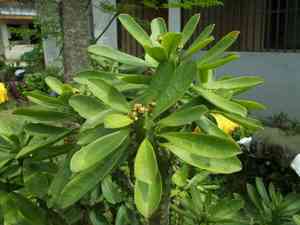
Indian spurgetree distinguishes itself in any garden through its unique and notable attributes. Its robust form, combined with diverse leaf shapes, introduces intriguing texture and depth to landscape designs. The plant's upright stance and complex branching create a natural, sculptural look, making it a captivating addition to your garden.
Color and texture advantages
Indian spurgetree exhibits a broad spectrum of vivid colors and textures that can elevate your garden's visual allure. Its foliage may display various green shades, sometimes with striking patterns or margins, adding a dynamic element to the scenery. The leaf surface is often smooth but can vary, offering a tactile experience that complements its visual beauty.
Seasonal shifts in appearance
A delightful characteristic of Indian spurgetree is its capacity to transform its look with the seasons. Throughout different times of the year, you might observe changes in leaf color intensity, blooming patterns, or even overall growth habits. These seasonal changes ensure your garden remains vibrant and ever-evolving, providing continuous visual interest.
Selecting the Optimal Spot for Indian spurgetree in Your Garden
Evaluating sun exposure and shade needs
For optimal growth, Indian spurgetree requires a balance of sun and shade. Ideally, position it where it receives ample morning sun but is shielded from intense afternoon rays. This ensures the plant gets necessary light for photosynthesis without risk of sunburn or dehydration during peak heat.
Considering soil composition and drainage
When planting Indian spurgetree, soil type and drainage are critical. This plant prefers well-draining soil that doesn't retain excessive moisture. Sandy or loamy soils are ideal, as they allow surplus water to drain quickly, preventing root rot. Incorporating organic matter or compost can enhance soil texture and nutrient content, fostering a better growing environment for Indian spurgetree.
Integrating Indian spurgetree with other flora
Incorporating it with other plants can boost your garden's overall aesthetic. Indian spurgetree pairs well with other drought-tolerant species and those with complementary colors and textures. Consider placing it alongside plants with contrasting foliage to highlight its unique features or with flowering plants that offer a splash of color against its backdrop.
Landscape Design Concepts for Indian spurgetree
Establishing focal points
Indian spurgetree can be utilized to create impressive focal points in your garden. Its distinctive structure and height make it an excellent choice for drawing attention to specific areas. Plant it strategically at the center of a garden bed or at an entrance to create an immediate visual impact.
Border and edging ideas
For creative garden borders and edges, Indian spurgetree performs admirably. Its compact growth habit can form a natural hedge or border, defining spaces within your garden. Use it to line pathways or to edge garden beds, providing structure and a neat, appealing outline.
Combining with Xeriscape elements
As a drought-resistant plant, Indian spurgetree fits perfectly into xeriscape gardens focused on water conservation. Pair it with other low-water plants, such as succulents, cacti, and native grasses, to create a sustainable and visually pleasing landscape. This combination not only reduces water usage but also adds diverse shapes, colors, and textures to your garden.
Care Guidelines for Indian spurgetree in Your Landscape
Watering frequency for Indian spurgetree
Indian spurgetree is drought-tolerant and needs minimal watering once established. Generally, watering every two weeks suffices, depending on climate. Ensure the soil is dry to the touch before re-watering to prevent overwatering, which can lead to root rot.
Pruning methods
Regular pruning helps maintain Indian spurgetree's shape and health. Promptly remove any dead or diseased branches to prevent spread. Pruning should be done with sharp, sterilized tools for clean cuts and to reduce infection risk. It's best to prune during the growing season for quick plant recovery.
Seasonal care adjustments
As seasons change, so do Indian spurgetree's care needs. During the growing season, ensure adequate water and nutrients. In colder months, reduce watering frequency and protect the plant from frost. Applying a layer of mulch can help insulate roots and retain soil moisture.
Common Issues and Solutions When Cultivating Indian spurgetree
Managing pests and diseases
Though generally robust, Indian spurgetree can be vulnerable to pests and diseases. Common pests include aphids and scale insects, which can be managed with neem oil or insecticidal soap. Regularly inspect the plant for any signs of infestation or disease, and address issues promptly.
Adapting to environmental shifts
Adjusting Indian spurgetree to varying environmental conditions can be challenging. Ensure the plant is gradually acclimated to new lighting or temperature conditions to prevent sudden shock. If moving the plant indoors or to a greenhouse during extreme weather, do so in stages to allow for adjustment.
Preventative measures for typical problems
Preventative actions can help avoid many common issues with Indian spurgetree. Ensure proper spacing between plants for air circulation, avoid overwatering, and maintain good soil health. Regularly applying a balanced fertilizer can also strengthen the plant, making it more resistant to pests and diseases.



