Enhancing Your Garden Design with the Tuart Plant: A Landscaping Guide
1
Tuart offers substantial ecological advantages, improving ground conditions and atmospheric purity.
2
Tuart's attractive appearance can greatly boost your garden's visual charm.
3
Appropriate upkeep is vital for Tuart to flourish and continue as a beautiful element in your outdoor space.
Introducing Tuart to Your Garden
Overview of Tuart's Visual Characteristics
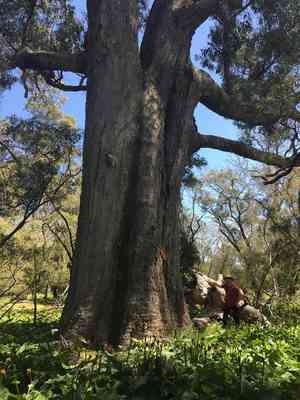
When considering adding Tuart to your garden, understanding its distinct visual traits is key. Tuart, known for its impressive presence, can act as a grand centerpiece in any landscape. With its towering height, expansive canopy, and unique bark patterns, it provides both elevation and texture that can enhance your garden's design. Its leaves are a vibrant green, contributing a lush, natural feel to the surroundings. These features make Tuart more than just a tree; it's a vital element in garden aesthetics.
Assessing Your Landscape Space for Tuart
Before planting Tuart, evaluating the available area in your landscape is vital. Tuart can grow quite large, needing ample space both above and below ground to flourish. Consider its potential mature size, which could affect nearby structures and other plants. Ensuring Tuart has sufficient room to grow will prevent overcrowding and resource competition, leading to a healthier, more balanced garden. Factor in the distance from buildings, paths, and other plants to ensure its growth doesn't disrupt your garden's overall layout.
The Best Seasons for Planting Tuart
Timing your planting is crucial for Tuart's successful establishment. The ideal seasons for planting are typically during the cooler months of autumn or early spring. At these times, the soil is still warm enough to encourage root development, while cooler air temperatures reduce stress on the young tree. Avoid planting during extreme weather, such as peak summer or deep winter, as these conditions can hinder growth and lessen the tree's chances of thriving. Preparing the soil with adequate nutrients and ensuring consistent watering initially can greatly improve planting success.
The Benefits of Incorporating Tuart in Your Landscaping
Environmental Benefits of Tuart
Tuart offers numerous environmental advantages, making it a valuable addition to any landscape. This tree species helps improve air quality by absorbing carbon dioxide and releasing oxygen. Additionally, Tuart can enhance soil health through its natural leaf litter, which decomposes and enriches the soil with vital nutrients. Its extensive root system also aids in preventing soil erosion, maintaining soil structure and stability. By fostering biodiversity, Tuart can attract various wildlife, promoting a balanced and vibrant ecosystem within your garden.
Aesthetic Value and Curb Appeal
Aesthetically, Tuart significantly boosts your garden's visual appeal. The tree's grandeur and distinctive bark texture create an impressive visual impact, making it an excellent choice for adding depth and dimension to your landscape design. Its lush green leaves offer a refreshing contrast against other garden elements, enhancing your property's overall curb appeal. Whether used as a standalone feature or part of a larger garden composition, Tuart can transform a plain outdoor space into a picturesque sanctuary.
Compatibility with Other Plants
Tuart is quite compatible with various plant species, making it a versatile option for diverse garden setups. When planning your garden, consider companion plants that thrive in similar soil and light conditions. Underplanting with shrubs, perennials, or ground covers that can coexist with Tuart will create a layered and harmonious garden environment. Ensure chosen plants don't aggressively compete for resources and can tolerate the shade from Tuart's canopy. This compatibility ensures balanced ecological interaction and enhances your garden's overall beauty.
Design Ideas Using Tuart
Creating Focal Points with Tuart
One of the most effective ways to use Tuart in your garden is by establishing focal points. The tree's prominent size and striking appearance naturally draw attention, making it an excellent centerpiece for any landscape. Position Tuart in strategic spots where its grandeur can be fully appreciated, such as at the end of a path, within a garden bed, or as a solitary specimen surrounded by complementary plantings. Highlighting Tuart with uplighting at night can further enhance its visual impact, providing a stunning focal point around the clock.
Using Tuart for Privacy and Boundaries
Tuart can be effectively used to create privacy and define garden boundaries. Its dense foliage provides a natural screen that can block unwanted views and noise, creating a serene and secluded outdoor space. Planting Tuart along your property's perimeter can establish clear boundaries, offering both privacy and security. Combining Tuart with other shrubs and trees can enhance this effect, creating a green barrier that seamlessly integrates with the rest of your landscape.
Incorporating Tuart into Thematic Gardens
Tuart fits well into various thematic garden designs, from native landscapes to modern minimalist setups. In native gardens, Tuart blends seamlessly with other indigenous plants, creating a natural and sustainable environment. For a more contemporary look, Tuart can serve as a structural element, providing contrast and interest against sleek, hardscaped areas. Consider your garden's overall theme and how Tuart can complement and enhance the desired aesthetic, ensuring a cohesive and visually pleasing design.
Maintenance Tips for Tuart in Landscapes
Tuart Watering Needs for Optimal Growth
Proper watering is crucial for Tuart's healthy growth. While this tree is relatively drought-tolerant once established, young Tuart trees require consistent moisture to develop a robust root system. Regular watering during the initial growth phase, especially in dry periods, will help Tuart establish itself in your garden. Ensure the soil is well-drained to prevent waterlogging, which can negatively affect the tree's health. Adjust watering frequency based on weather conditions and soil moisture levels to maintain optimal growth.
Pruning and Controlling the Spread of Tuart
Pruning Tuart is essential to maintain its shape, health, and safety. Regular pruning helps remove dead or diseased branches, promoting better air circulation and overall tree vitality. It's best to prune during late winter or early spring before new growth begins. Be mindful of Tuart's size and potential spread, pruning back branches that may interfere with structures or other plants. Controlled pruning will ensure that Tuart remains a manageable and attractive feature in your garden.
Seasonal Care and Common Issues
Seasonal care for Tuart involves monitoring for common issues such as pests and diseases. In spring, check for signs of insect infestation or fungal infections, treating them promptly with appropriate measures. Mulching around the tree's base can help retain soil moisture and regulate temperature, promoting healthy root growth. During fall, clear fallen leaves and debris to prevent fungal growth and maintain a clean garden area. Regularly inspecting Tuart and addressing any issues quickly will help keep the tree healthy and vibrant year-round.



