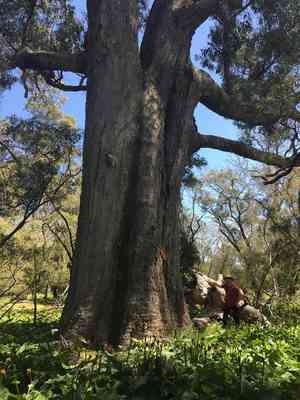
Tuart(Eucalyptus gomphocephala)

Tuart (Eucalyptus gomphocephala)

Also known as: Tuart

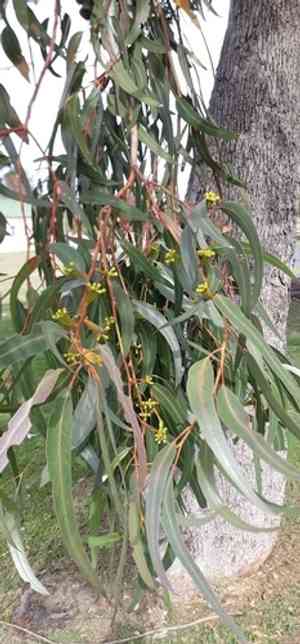
The Tuart tree (Eucalyptus gomphocephala) is notable for several key features that aid in its identification:

1. **Bark:** It has rough, fibrous bark that is grayish-brown and persists on the trunk and branches.
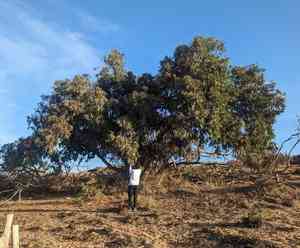
2. **Canopy:** Exhibits a broad, spreading canopy, characteristic of its tall stature.
3. **Leaves:** The adult leaves are lance-shaped, glossy, and dark green, often with a paler underside and a distinctive aroma.
4. **Flowers:** Produces clusters of white to pale yellow flowers, which are especially noticeable during blooming periods.
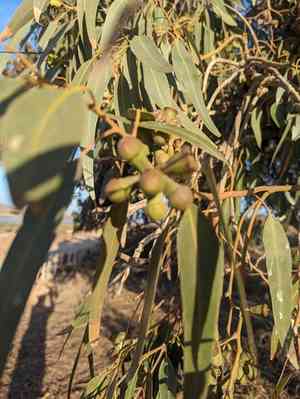
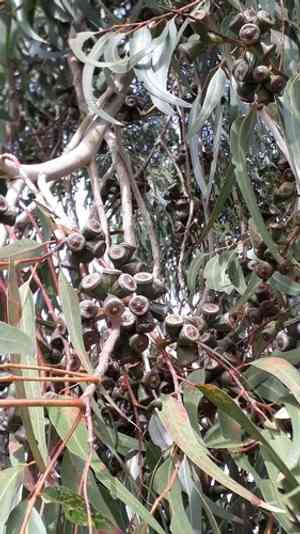
5. **Fruit:** The woody fruit capsules are hemispherical with a pronounced rim and protruding valves.
6. **Habitat:** Well-suited to sandy coastal soils, contributing to its resilience and prominence in these areas.

Attributes of Tuart

Lifespan
Perennial
Plant Type
Tree
Plant Height
30-40 meters
Spread
10-15 meters
Leaf Color
Glossy green
Flower Size
1-2 cm
Flower Color
Creamy white

ForwardPlant - Identify plants with a snap

Identify and diagnose plants, get toxicity alerts, and explore safety guides for all types of fungi.

Try for Free

Images of Tuart

Tuart(Eucalyptus gomphocephala)

Quickly Identify Tuart

1
To identify Eucalyptus gomphocephala, look for its rough, fibrous bark which is persistent on the lower part of the trunk and branches. The leaves are glossy green, lance-shaped, and have oil glands. The fruit is a woody capsule.

Scientific Classification of Tuart

Phylum
Vascular plants
Class
Dicotyledons
Order
Myrtales
Family
Myrtle
Genus
Eucalypts
Species
Tuart

Planting and Growing of Tuart

Care Difficulty
Easy
Watering Schedule
Every 2 days
Sunlight Requirements
Full sun
Sunshine Duration
6-10 hours
Ideal Temperature
60-77℉
Soil Type
Potting Mix, Peat Mix
Soil pH
6.5-7.5
Fertilizer Type
Balanced
Pruning Season
Spring, Summer
Pruning Area
Branches, Leaves
Pruning Frequency
2 times a year
Repotting Season
Spring
Pot Type
Plastic, Ceramic

water icon How to Water Tuart?

Eucalyptus gomphocephala, commonly known as the Tuart, requires around 500 ml of water per session. It's crucial to ensure the soil is well-drained, preventing water from pooling at the roots. The watering principle is to saturate the topsoil thoroughly, ensuring consistent moisture without waterlogging.
What are the symptoms of an underwatered Tuart?
What should I do if my Tuart is not getting enough water?
What are the symptoms of an overwatered Tuart?
How to save an overwatered Tuart?

sunlight icon What Are the Sunlight Requirements for Tuart?

Sunlight Requirements: Full sun
Duration of light: 6 to 8 hours
Eucalyptus gomphocephala prefers full-day light exposure, translating to around 6 to 8 hours daily. This ideal light range enhances photosynthesis, resulting in a healthy, thriving tree with robust foliage and structure.
Ideal Location
Protection from Excess Heat
Monitor Seasonal Changes

temperature icon What Is the Ideal Temperature Range for Tuart?

Ideal Temperature: 60 ~ 77℉
Eucalyptus gomphocephala thrives best in temperatures ranging from 60°F to 77°F. These temperatures facilitate optimal photosynthesis and growth, reducing stress and ensuring healthy foliage development. An environment within this range mimics its natural habitat, promoting robustness and vitality.

soil icon What Soil is Best for Tuart?

Soil type: Sandy soil, Loam
Soil PH: 6.5 ~ 7.5
Eucalyptus gomphocephala thrives in well-drained soils which allow water to drain away efficiently, preventing root rot. This attribute is essential for their rapid growth as it ensures roots get consistent oxygen availability. Although Eucalyptus species are generally hardy, Eucalyptus gomphocephala benefits from nutrient-rich substrates to promote lush foliage and vigorous growth. Well-fertilized soil provides the essential elements for robust health and resilience against pests. Maintaining soil with moderate moisture levels is crucial. While this eucalypt is drought-tolerant, consistent moisture during establishment phase helps develop strong root systems, enhancing the plant's long-term survival.

fertilize icon How to Fertilize Tuart?

Fertilizer type: Balanced
Eucalyptus gomphocephala requires a balanced amount of fertilizer to thrive. Liquid fertilizers should be applied at a rate of 1/4 to 1/2 strength monthly to avoid overfeeding. Solid fertilizers should be used sparingly, ensuring they are well-balanced and applied evenly. Typically, a few tablespoons of slow-release fertilizer spread over the root zone will suffice.

prune icon How to Prune Tuart?

Pruning Time: Spring, Summer
Begin by evaluating the tree from a distance to understand its natural shape. Identify diseased, damaged, or dead branches that need removal. This assessment is crucial for maintaining the tree’s health and aesthetics. Start by cutting away any dead or diseased wood back to healthy parts of the tree. This reduces the risk of spreading disease and allows the tree to use its resources more efficiently. Thin out the canopy by removing some of the smaller branches. This improves airflow and light penetration, aiding in overall tree health. Be sure not to remove more than 25% of the foliage at once to avoid stress on the tree. Prune to maintain the desired shape. Focus on controlling size and form by trimming back overlong branches and maintaining a balanced look. Avoid excessive pruning which may shock the tree. More About Pruning Techniques

propagate icon How to Propagate Tuart plant?

Propagate Time: Early spring, Late spring
1
Collect seeds from Eucalyptus gomphocephala when the capsules turn brown. Gently shake the capsules to release the seeds. Pre-soak seeds in warm water for 24 hours to soften the hard seed coat, which will enhance germination rates.
2
Fill seed trays with a sterile potting mix and evenly sow the pre-soaked seeds on top. Lightly cover the seeds with a thin layer of the mix. This ensures the seeds remain moist and maintain contact with the soil, which aids germination.
3
Cover the seed trays with a transparent lid or plastic wrap to maintain high humidity, which is crucial for seed germination. Place the trays in a warm, bright location, but avoid direct sunlight to prevent overheating.
More About Propagating Techniques

repot icon How to Repot Tuart plant?

Repotting frequency: Every 2-3 years
1
Eucalyptus gomphocephala signals the need for repotting when its roots start circling the bottom of the pot, or if growth seems stunted. The ideal time is during its active growth stages in spring or early summer, allowing the plant ample time to establish in its new environment before winter dormancy.
2
Select a pot that is 2-3 inches larger in diameter than the current one. This encourages healthy root expansion without drowning the plant in excessive soil moisture. A pot with drainage holes is essential to prevent waterlogging, which can lead to root rot, affecting overall plant health.
3
Opt for well-draining sandy soil to mimic the tree's natural habitat. This ensures that water flows through easily, preventing root rot while providing the necessary support for the robust growth of your Eucalyptus gomphocephala. A slightly acidic to neutral pH soil works best.

ForwardPlant - Identify plants with a snap

Find the best spots for them to optimize their health, simply using your phone.

Try for Free

Toxicity

Ingestion, Skin Contact

Identify toxic plants for your safety

Learn which plants are harmful to you and your pets, and make informed choices for a safer home!

Try for Free
WARNING
The judgment on toxicity and danger is for reference only. We DO NOT GUARANTEE any accuracy of such judgment. Therefore, you SHALL NOT rely on such judgment. It is IMPORTANT TO SEEK PROFESSIONAL ADVICE in advance when necessary.