Enhancing Your Garden Design with the Ladyfinger cactus Plant: A Landscaping Guide
1
The Ladyfinger cactus tolerates dry conditions and needs little water.
2
Ladyfinger cactus flourishes in soil that drains well and receives plenty of sun.
3
Its distinctive shape and vibrant flowers make the Ladyfinger cactus a delightful addition to any garden.
Introducing the Ladyfinger Cactus in Garden Design
The distinctive visual appeal of the Ladyfinger cactus
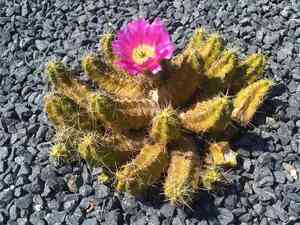
The Ladyfinger cactus stands out with its unique form and vivid blossoms. Its finger-like stems, often covered in spines, provide a singular texture and character to any outdoor space. The flowers, primarily pink or magenta, offer a striking contrast against the green stems, making the Ladyfinger cactus a visually engaging plant for landscaping endeavors.
Ladyfinger cactus's native environment and structure
The Ladyfinger cactus originates from arid regions and rocky terrains, accustomed to flourishing in settings with minimal moisture. Its natural habitat demonstrates that this plant is robust and hardy, capable of enduring harsh conditions. Understanding its inherent growth patterns and shape assists gardeners in replicating those conditions for successful integration into their landscape plans.
Overview of landscaping concepts featuring Ladyfinger cactus
Utilizing the Ladyfinger cactus in landscaping involves leveraging its distinct aesthetic and resilient nature. From contemporary minimalist gardens to more traditional rock gardens, the Ladyfinger cactus can serve as a focal point or a perfect complementary plant. Its ability to thrive with little upkeep makes it an ideal choice for those aiming to create a beautiful yet practical garden area.
Designing with Ladyfinger Cactus: Concepts and Ideas
Incorporating Ladyfinger cactus into rock gardens
Rock gardens greatly benefit from the inclusion of the Ladyfinger cactus. The plant's inherent adaptability to rocky environments ensures its prosperity. Thoughtfully placing Ladyfinger cactus among rocks creates a naturalistic appearance, blending seamlessly with the landscape while adding height and texture.
Employing Ladyfinger cactus as a border plant
Borders frequently require plants that can withstand the elements while offering a visual barrier and structure. The Ladyfinger cactus's form and durability make it an excellent option for border planting. The cactus can define garden edges, pathways, or zones while contributing to the overall aesthetic with its distinctive look.
Creative placements of Ladyfinger cactus in modern landscapes
Modern landscapes embrace simplicity and statement pieces. The Ladyfinger cactus fits this style perfectly due to its unique shape and minimal maintenance needs. Consider using Ladyfinger cactus in planter beds, alongside minimalist sculptures, or within gravel gardens to establish a striking focal point.
Advantages of Selecting Ladyfinger Cactus for Your Garden
Low maintenance characteristics of Ladyfinger cactus
One of the prominent attributes of the Ladyfinger cactus is its minimal maintenance requirements. Unlike more delicate plants, the Ladyfinger cactus can thrive with little attention. It doesn't demand frequent watering or fertilizing, making it ideal for gardeners who prefer a hands-off approach.
Drought tolerance and ecological sustainability
In an era of heightened awareness regarding water conservation, the Ladyfinger cactus presents an eco-friendly choice for landscaping. Its drought resistance means it can endure extended periods without water, lessening the strain on water resources and ensuring your garden remains sustainable and verdant.
Aesthetic benefits: Color and texture
The Ladyfinger cactus introduces a unique color and texture to any garden. The plant's vibrant flowers and intriguing form provide a contrast to other garden elements. This contrast can make a garden more dynamic and visually engaging, creating a space that is both beautiful and captivating.
Integration Tips for Ladyfinger Cactus in Landscape Design
Optimal companion plants for Ladyfinger cactus
Pair the Ladyfinger cactus with other drought-tolerant plants such as succulents or ornamental grasses. These companions not only match the Ladyfinger cactus in resilience but also enhance the garden's overall visual appeal, creating a cohesive and attractive design.
Soil and sunlight considerations for prime growth
The Ladyfinger cactus flourishes best in well-drained soil and requires abundant sunlight. Ensure your planting location mimics its natural habitat by providing sandy or gravelly soil and positioning it in an area that receives ample sunlight throughout the day. These conditions are vital for the plant's health and development.
Spacing and grouping concepts for impact
When planting the Ladyfinger cactus, consider adequate spacing to allow for growth and air circulation. Grouping multiple plants together can create an impressive visual effect, highlighting their unique forms and flowers. Alternatively, use solitary plants as focal points to draw attention to specific areas of your garden.



