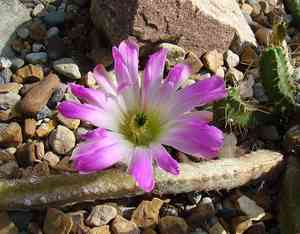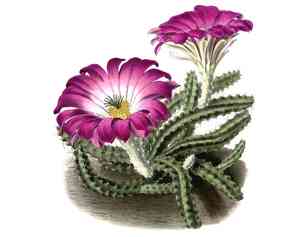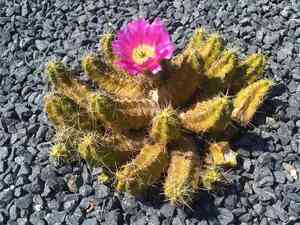
Ladyfinger cactus(Echinocereus pentalophus)

Ladyfinger cactus (Echinocereus pentalophus)

Also known as: Lady Finger Cactus, Alamos Cactus

The Lady Finger Cactus (*Echinocereus pentalophus*), also referred to as Alice, Devil's Fingers, or Dog Tail, requires specific care for optimal growth:

1. **Sunlight:** Ensure it receives ample bright, direct sunlight, as it thrives in full sun exposure.
2. **Watering:** Water sparingly during the growing months (spring and summer), allowing the soil to dry between waterings. Significantly reduce watering during the winter months.
3. **Soil:** Use a well-draining cactus or succulent mix to prevent water retention.
4. **Temperature:** Enjoys warm temperatures but can tolerate cooler conditions if kept dry during the cold season.
5. **Fertilization:** Apply a light cactus fertilizer during the active growing season.
6. **Pests:** Be vigilant about aphids and mealybugs, which can be problematic.
7. **Root System:** It has a shallow and weak root system, so avoid waterlogged soil to prevent root rot.

By following these guidelines, you can help ensure the healthy growth of your Lady Finger Cactus.

Attributes of Ladyfinger cactus

Lifespan
Perennial
Plant Type
Succulent
Plant Height
0 mm to 30 cm
Spread
25 cm
Leaf Color
Green (stems, as cacti do not have conventional leaves)
Flower Size
8 cm to 10 cm
Flower Color
Purple

ForwardPlant - Identify plants with a snap

Identify and diagnose plants, get toxicity alerts, and explore safety guides for all types of fungi.

Try for Free

Images of Ladyfinger cactus

Ladyfinger cactus(Echinocereus pentalophus)

Quickly Identify Ladyfinger cactus

1
This cactus can be identified by its long, thin, finger-like stems that grow horizontally and produce large, showy, funnel-shaped flowers. The stems are ribbed, with small clusters of spines along the ribs.

Scientific Classification of Ladyfinger cactus

Phylum
Vascular plants
Class
Dicotyledons
Order
Caryophyllales
Family
Cactuses
Genus
Hedgehog cactus
Species
Ladyfinger cactus

Planting and Growing of Ladyfinger cactus

Care Difficulty
Easy
Watering Schedule
Every 2 days
Sunlight Requirements
Full sun
Sunshine Duration
4-8 hours
Ideal Temperature
70-85℉
Soil Type
Potting Mix, Peat Mix
Soil pH
6.5-7.5
Fertilizer Type
Balanced
Pruning Season
Spring, Summer
Pruning Area
Branches, Leaves
Pruning Frequency
2 times a year
Repotting Season
Spring
Pot Type
Plastic, Ceramic

water icon How to Water Ladyfinger cactus?

Echinocereus pentalophus requires careful watering. You should ensure the soil is drenched to about 150 ml until it is adequately soaked but not waterlogged. This prevents root rot and mimics its natural desert conditions.
What are the symptoms of an underwatered Ladyfinger cactus?
What should I do if my Ladyfinger cactus is not getting enough water?
What are the symptoms of an overwatered Ladyfinger cactus?
How to save an overwatered Ladyfinger cactus?

sunlight icon What Are the Sunlight Requirements for Ladyfinger cactus?

Sunlight Requirements: Full sun, Partial sun
Duration of light: 6 to 8 hours daily
Echinocereus pentalophus thrives best under full to partial sunlight. Ideal light conditions ensure healthy growth, vibrant coloration, and increased flowering efficiency, enhancing the plant's longevity and aesthetic appeal.
What is the optimal location for Echinocereus pentalophus?
How can I enhance light exposure for my cactus?
What benefits does adequate light bring to Echinocereus pentalophus?
More About Sunlight Requirements Techniques

temperature icon What Is the Ideal Temperature Range for Ladyfinger cactus?

Ideal Temperature: 70 ~ 85℉
The ideal temperature range for Echinocereus pentalophus cultivation is between 70°F and 85°F. This range allows the cactus to thrive, supporting regular growth and flowering. Warm conditions mimic the cactus's natural habitat, encouraging optimal physiological and metabolic processes.

soil icon What Soil is Best for Ladyfinger cactus?

Soil type: Sandy loam, Sand soil
Soil PH: 6.5 ~ 7.5
Echinocereus pentalophus thrives in well-draining soil that prevents waterlogging. This is crucial as it mimics its natural habitat, ensuring roots don't rot and promoting healthier growth. Incorporating gravel or grit enhances soil drainage, allowing air to reach the roots. This setup mimics its native rocky terrains, facilitating strong root development and robust plant health. Echinocereus pentalophus prefers soil with low organic matter. Mimicking its native environment, this encourages root foraging and prevents the risks associated with overly nutrient-rich soil.

fertilize icon How to Fertilize Ladyfinger cactus?

Fertilizer type: Balanced
Echinocereus pentalophus typically requires a light hand when it comes to fertilizing. For liquid fertilizers, a balanced or cactus-specific solution can be diluted to 1/4 strength to prevent any potential root burn. Solid fertilizers should be applied sparingly, with a single granule well-distributed over the soil surface, ensuring it integrates naturally over time with watering.

prune icon How to Prune Ladyfinger cactus?

Pruning Time: Spring, Summer
Start by using clean, sharp pruning shears to carefully trim away any dead or damaged segments. Focus on sections that appear discolored or shriveled. Next, cut back any overly long arms to maintain a balanced appearance, ensuring you make your cuts at the base to avoid leaving stubs. Echinocereus pentalophus has a sprawling growth habit, so consider shaping it by removing any segments growing awkwardly outwards. This helps maintain a compact form, making the plant more aesthetically pleasing and manageable in its pot or garden setting.

propagate icon How to Propagate Ladyfinger cactus plant?

Propagate Time: Spring, Early summer
1
Begin propagation in spring or early summer when the plant's growth is most vigorous. This timing ensures optimal root development and health in new plants.
2
Cut healthy segments from the parent plant using a sharp, sterilized knife. Allow the cuttings to dry and callous for a few days to prevent rot.
3
Plant each calloused cutting in a pot with well-draining soil. Ensure the cutting is planted upright and water sparingly until roots establish.
More About Propagating Techniques

repot icon How to Repot Ladyfinger cactus plant?

Repotting frequency: Every 2-3 years
1
Look for signs of overcrowding, root-bound conditions or when the plant is outgrowing its pot. Spring is the best time, as the plant will have ample opportunity during the growing season to recover from the stress of repotting. The emergence of roots from the drainage holes is a strong indicator.
2
Select a pot that is slightly larger than the current one but ensures it has drainage holes to prevent water from pooling at the base. A well-sized pot encourages healthy root growth without excessive water retention, which could lead to root rot.
3
Opt for a well-draining cactus mix. This type of soil prevents overwatering, which Echinocereus pentalophus is particularly sensitive to. Incorporating pumice or perlite enhances aeration and drainage, ensuring your cactus thrives.

ForwardPlant - Identify plants with a snap

Find the best spots for them to optimize their health, simply using your phone.

Try for Free