Enhancing Your Garden Design with the Cigar plant Plant: A Landscaping Guide
1
The cigar plant is adaptable and suitable for diverse garden aesthetics.
2
Consistent care for your cigar plant promotes vigorous development and attractive appearance.
3
Pairing the cigar plant with other flora can create a harmonious garden layout.
Introducing Cuphea ignea to Your Garden Design
Why opt for Cuphea ignea in your garden?
When choosing plants for your outdoor space, Cuphea ignea stands out as an excellent option due to its vivid hues and distinctive growth pattern. Renowned for its resilience, Cuphea ignea flourishes in diverse climates, making it a flexible choice for gardeners. Its tubular blossoms not only provide a burst of color but also attract pollinators like hummingbirds and butterflies, boosting your garden's biodiversity. Selecting Cuphea ignea can give your landscape a lively and dynamic look.
The visual appeal of Cuphea ignea
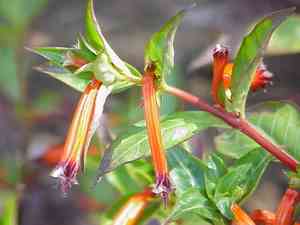
Cuphea ignea is celebrated for its striking aesthetic charm. Its bright, fiery blooms set against rich green foliage create a bold statement in any garden. The plant's compact size and bushy habit make it ideal for borders, containers, or as a singular focal point. This aesthetic adaptability means you can utilize Cuphea ignea to accentuate specific areas of your garden, adding a touch of elegance and vibrancy.
Understanding Cuphea ignea's growth characteristics
To maximize Cuphea ignea's potential in your landscaping, grasping its growth habits is crucial. Cuphea ignea typically reaches a manageable height, making it suitable for various garden environments, from small urban plots to expansive country estates. The plant is known for its continuous blooming period, offering prolonged visual interest throughout the year. Comprehending these growth patterns enables better planning and integration into your garden scheme.
Designing with Cuphea ignea: Fundamentals and Advice
Optimal placement for Cuphea ignea to achieve maximum visual impact
When deciding where to position Cuphea ignea, consider spots that receive ample sunlight, as this encourages abundant flowering. Placing Cuphea ignea in garden borders can establish a stunning visual boundary, while grouping several plants together can form an eye-catching cluster. For container gardening, situating Cuphea ignea on patios or balconies can bring a splash of color to smaller, confined areas.
Pairing Cuphea ignea with other plants
One of the simplest ways to enhance your garden design is by combining Cuphea ignea with complementary plants. Think about plants with contrasting foliage colors or textures, such as silver-leaved varieties or those with larger, broader leaves. Additionally, integrating Cuphea ignea with perennials that bloom at different times ensures a dynamic and continuously vibrant garden throughout the seasons.
Seasonal considerations for Cuphea ignea
Taking seasonal changes into account is vital for maintaining a thriving landscape. Cuphea ignea performs best during the warmer months, but with proper care, it can continue to flourish in cooler weather. Applying mulch around the plant's base can help retain moisture and protect the roots during temperature fluctuations. Furthermore, adjusting your watering and feeding schedule according to the season can promote healthier growth and sustained flowering.
Care Guidelines for Cuphea ignea in Your Landscape
Basic maintenance recommendations for Cuphea ignea
Maintaining Cuphea ignea involves consistent watering, especially during dry periods, and occasional fertilization with a balanced feed to encourage flower production. Pruning spent or faded flowers promotes new blooms and helps maintain a tidy appearance. Additionally, monitoring for pests and addressing any issues promptly ensures your plants remain healthy and vigorous.
Common issues and solutions for Cuphea ignea
Like any plant, Cuphea ignea can encounter certain difficulties. Frequent problems include pest infestations and fungal diseases. Regularly inspecting your plants and employing suitable organic or chemical treatments can alleviate these issues. Ensuring good air circulation around the plants through adequate spacing can also lessen the risk of fungal problems. Mulching and proper watering practices help sustain overall plant health, making Cuphea ignea more resistant to common challenges.
Creative Applications of Cuphea ignea in Various Landscape Styles
Integrating Cuphea ignea into formal garden designs
In formal garden settings, Cuphea ignea can be utilized to create structured and symmetrical layouts. Planting Cuphea ignea in neat rows or geometric patterns enhances its visual impact. Combining Cuphea ignea with clipped hedges and topiaries can achieve a refined and orderly look, which is characteristic of formal garden styles.
Using Cuphea ignea in cottage-style gardens
For a more relaxed and whimsical garden, consider incorporating Cuphea ignea into a cottage-style landscape. In this environment, Cuphea ignea can be paired with other colorful and fragrant plants to create a lush, overflowing effect. Allowing Cuphea ignea to grow more freely without strict pruning can contribute to the informal and natural charm of a cottage garden.
Contemporary landscaping concepts with Cuphea ignea
In modern landscapes, Cuphea ignea can be used to introduce a burst of color in minimalist designs. Pairing it with sleek, architectural elements like concrete planters or water features can create a striking contrast. Utilizing Cuphea ignea in single-species plantings or monochromatic schemes can enhance the clean lines and simple aesthetics typical of modern garden designs.



