Optimal Fertilizer for Growing Cigar plant: What You Need to Know
1
A balanced N-P-K ratio, such as 10-10-10 or 20-20-20, is optimal for Cigar plant nourishment.
2
Nourish your Cigar plant every 4-6 weeks throughout its active growth period for optimal outcomes.
3
Liquid fertilizers are well-received by Cigar plants due to their rapid absorption.
Grasping Cigar Plant Nutritional Requirements
Crucial Nutrients for Cigar Plant
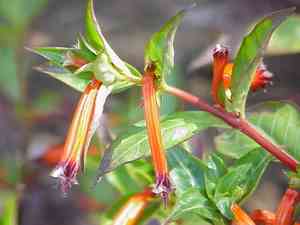
The Cigar plant, recognized for its vivid red tubular blooms, necessitates a balanced blend of vital nutrients to flourish. These nutrients encompass Nitrogen (N) for robust green foliage, Phosphorus (P) for strong root development, and Potassium (K) for overall plant vitality and resilience. An optimal N-P-K ratio, such as 10-10-10 or 20-20-20, is perfect for fulfilling these demands. Furthermore, trace elements like magnesium, iron, and calcium are key in preventing deficiencies and fostering peak growth.
Indicators of Nutrient Deficiencies
Identifying signs of nutrient deficiencies in your Cigar plant can help you implement corrective actions promptly. Watch for yellowing leaves, which might signal a nitrogen shortage. Stunted development and poor root formation often point to a phosphorus deficit. If the foliage appears scorched or has brown edges, potassium could be insufficient. Regular inspection of your plant and addressing these symptoms ensures it stays healthy and vibrant.
Selecting the Appropriate Fertilizer
Fertilizer Varieties Suitable for Cigar Plant
Regarding fertilizing your Cigar plant, you have several choices. Granular fertilizers offer a gradual release of nutrients over time, which is advantageous for sustained nourishment. Conversely, liquid fertilizers are absorbed rapidly and can provide your plant with an immediate boost. Water-soluble fertilizers, which are mixed with water prior to application, present a balanced approach. Seek out formulations specifically designed for flowering plants to guarantee your Cigar plant receives the nutrients it needs to produce its striking blossoms.
Organic vs. Synthetic Fertilizers
The choice between organic and synthetic fertilizers depends on your gardening philosophy and preferences. Organic fertilizers, such as compost and fish emulsion, enhance soil health and deliver a consistent supply of nutrients. They are eco-friendly and can improve soil structure over time. Synthetic fertilizers, on the other hand, provide precise nutrient ratios and are simple to use. They can yield quick results, making them suitable for gardeners seeking immediate improvements. Whichever type you select, ensure it fulfills the nutritional requirements of your Cigar plant.
Optimal Practices for Fertilizing Cigar Plant
Fertilization Frequency
Fertilizing frequency for Cigar plant should align with its active growth period. Typically, you should fertilize every 4-6 weeks during the spring and summer months when the plant is actively developing. Reducing the frequency in the fall and winter is crucial, especially if the plant is not actively producing new growth. Over-fertilizing can lead to nutrient burn, so adhering to this schedule ensures your plant gets the correct amount of nutrients without overloading the soil.
Correct Application Methods
Applying fertilizer properly is vital for the well-being of your Cigar plant. For granular fertilizers, evenly distribute the granules around the base of the plant, being careful not to let them touch the stems directly. Water thoroughly after application to help the nutrients permeate the soil. With liquid fertilizers, mix according to the manufacturer's instructions and apply at the base of the plant or as a foliar spray. Always adhere to the recommended dosage to prevent over-fertilization, which can harm your plant.
Observing Plant Response
After fertilizing your Cigar plant, observe its reaction to the treatment. Healthy, vigorous growth and blooming indicate that your plant is receiving adequate nutrients. Conversely, signs of over-fertilization, such as yellowing leaves or burnt tips, suggest the need to adjust your fertilizer application. Regularly checking your plant's health allows you to fine-tune your fertilizing routine for optimal outcomes.
Seasonal Fertilizing Advice
Adapting Fertilization to Different Seasons
Seasonal shifts necessitate modifications in your fertilizing regimen. In spring, as the growing season commences, increase your fertilizing frequency to every 4-6 weeks to support new growth. Maintain this schedule through the summer. As autumn approaches and growth decelerates, decrease fertilization to once every 2-3 months. In winter, when the Cigar plant is mostly dormant, it's best to cease fertilization entirely. These adjustments align nutrient provision with your plant's growth cycle, fostering year-round health.



