Enhancing Your Garden Design with the Pink tickseed Plant: A Landscaping Guide
1
Pink tickseed is a adaptable plant suitable for diverse garden aesthetics, ranging from structured to modern layouts.
2
Thoughtful positioning of Pink tickseed can amplify its aesthetic appeal and seasonal brilliance.
3
Pink tickseed pairs effectively with numerous companion flora, boosting the garden's overall ecological variety.
Introducing Pink Tickseed in Garden Design
Defining Pink Tickseed's contribution to lively garden spaces.
For crafting a vibrant and dynamic garden, Pink Tickseed can be instrumental. This robust perennial is recognized for its hardiness and capacity to flourish in diverse environments. The cheerful, bright blossoms of Pink Tickseed inject a burst of color into any garden, making it a favorite among gardening enthusiasts. Whether utilized as a focal point or as part of a larger plant arrangement, Pink Tickseed significantly enhances the overall beauty and vitality of garden areas.
Pink Tickseed's visual traits that boost garden aesthetics.
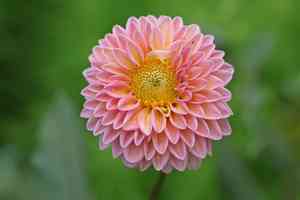
Visually, Pink Tickseed is captivating. It showcases delicate, pink-hued, daisy-like flowers, which stand out against a backdrop of dense green foliage. These blooms, typically appearing in late spring and persisting through summer, offer a continuous display of color. The consistent and dependable flowering of Pink Tickseed ensures your garden stays lively and attractive for extended periods. Furthermore, the plant's compact growth habit makes it an excellent choice for both border plantings and container gardens, providing visual interest without overpowering other design elements.
Integrating Pink Tickseed into Various Garden Styles
Pairing Pink Tickseed with structured garden layouts.
In formal garden designs where symmetry and order are paramount, Pink Tickseed is an ideal selection. Its uniform growth and consistent flowering pattern align well with the precise, structured nature of formal gardens. Planted in neat rows or strategic groupings, Pink Tickseed can form stunning geometric patterns that elevate the elegance of these gardens. Combining it with boxwoods or hedges can further emphasize its role within a formal garden scheme.
Using Pink Tickseed in informal cottage-style gardens.
Cottage gardens, known for their free-flowing, whimsical charm, greatly benefit from including Pink Tickseed. The plant's natural, somewhat wild appearance integrates seamlessly into the informal and often dense plantings characteristic of cottage gardens. Pink Tickseed can be interspersed with various other perennials and flowering plants, adding layers of color and texture. It is particularly beautiful when combined with other cottage garden favorites like lavender, roses, and foxgloves.
Incorporating Pink Tickseed into modern landscape designs.
Contemporary landscapes often prioritize simplicity, clean lines, and a mix of hard and soft elements. Pink Tickseed can contribute to this modern sensibility with its minimalist yet vibrant flowers. When used in contemporary garden beds or as part of minimalist container plantings, Pink Tickseed adds a touch of nature's artistry without disrupting the sleek, modern aesthetic. Its pink blooms can be contrasted with grasses, boulders, or architectural features to create a harmonious yet striking visual composition.
Positioning Pink Tickseed for Maximum Impact
Optimal placement guidelines for seasonal vibrancy.
To achieve the best visual effect, it's crucial to position Pink Tickseed where it can flourish throughout its blooming season. Choose garden areas that receive full sun to partial shade, as Pink Tickseed thrives in brighter conditions. Consider planting Pink Tickseed along pathways or garden edges where its vibrant blooms can be admired up close. Additionally, grouping them in prominent spots within your garden will ensure their seasonal colors and charm are fully appreciated.
Maximizing visual appeal through strategic clustering of Pink Tickseed.
Clustering Pink Tickseed together instead of scattering them individually can create a more impactful visual display. Large groupings of Pink Tickseed produce a sea of color that can serve as a striking centerpiece in your landscape. These clusters can also simplify maintenance, as dense plantings help suppress weeds. For an even more stunning effect, mix clusters of Pink Tickseed with other flowering perennials that bloom at different times, ensuring a continuous wave of color throughout the growing season.
Visual harmony: tips for integrating Pink Tickseed with other plants.
Achieving visual balance in your garden is essential for a cohesive design. Pink Tickseed pairs wonderfully with plants that offer contrasting colors, shapes, and textures. Consider pairing Pink Tickseed with ornamental grasses that provide a soft backdrop to its vivid blooms, or incorporate taller perennials that can add vertical interest. Ensuring that Pink Tickseed is not overshadowed by larger plants will help maintain its visibility and impact. The goal is to create a harmonious blend where Pink Tickseed complements and is complemented by its neighboring plants.
Seasonal and Year-Round Interest
Highlighting the seasonal blooms of Pink Tickseed.
One of the most delightful attributes of Pink Tickseed is its seasonal flowering. Starting in late spring and continuing through the summer, Pink Tickseed produces an abundance of pink flowers that brighten any landscape. These seasonal displays coincide with many other plants' blooming periods, allowing for complementary flower pairings. Removing spent flowers can encourage even more blooms, extending the period of vibrancy in your garden.
Maintaining year-round appeal with Pink Tickseed.
While Pink Tickseed is primarily known for its stunning summer flowers, it can offer year-round appeal with some thoughtful planning. The plant's foliage remains attractive even when blooms are absent, providing a lush green backdrop in the garden. Consider underplanting with evergreen ground covers or combining Pink Tickseed with winter-interest plants like hellebores or ornamental cabbages. Such complementary plant selections ensure your garden remains engaging and beautiful regardless of the season.
Companion Plants for Pink Tickseed
Enhancing biological diversity around Pink Tickseed.
Companion planting with Pink Tickseed not only boosts visual appeal but also promotes ecological benefits. Incorporating a variety of plants around Pink Tickseed can attract beneficial insects, improve pollination, and reduce pest populations. Plants with different bloom times, heights, and root systems can create a more resilient and dynamic garden ecosystem. This diversity is not only good for your garden's health but also adds layers of interest and beauty throughout the year.
Recommended companion plants that thrive with Pink Tickseed.
Several plants thrive well alongside Pink Tickseed, creating delightful garden combinations. Consider pairing Pink Tickseed with other perennials like echinacea, black-eyed Susans, and salvia, which share similar growing conditions and bloom at overlapping times. Grasses like blue fescue or switchgrass can add a textural contrast to the fine leaves and flowers of Pink Tickseed. Additionally, bulbs like alliums or daylilies can be interplanted to create a sequence of blooms that transition smoothly from one season to the next.



