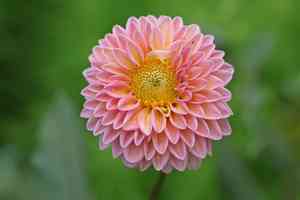
Pink tickseed (Coreopsis rosea)
Also known as: Tickseed, Pink threadleaf coreopsis
Joe-Pye weed (Eutrochium spp.) is a clump-forming, bushy perennial that flourishes in wet environments and along marsh edges. It features clusters of delicate pinkish-purple flowers that sprout from its sturdy green stems. Birds are attracted to the seeds produced by these flowers. This hardy plant is ideal for garden borders, patio edges, or as a standout accent in landscape designs.
In This Article
Attributes of Pink tickseed
Lifespan
Perennial
Plant Type
Herb
Plant Height
30 cm to 91 cm
Spread
30 cm to 60 cm
Leaf Color
Green Blue
Flower Size
2.5 cm
Flower Color
Pink White
Images of Pink tickseed
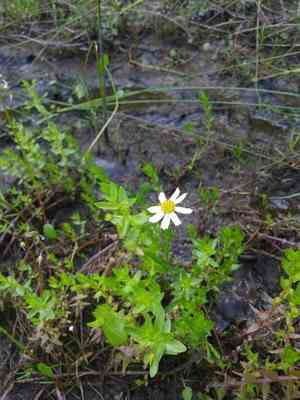
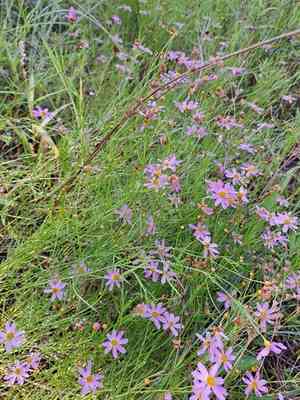
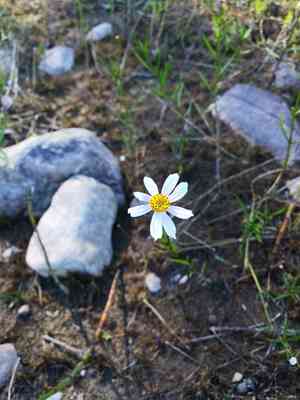
Quickly Identify Pink tickseed
1
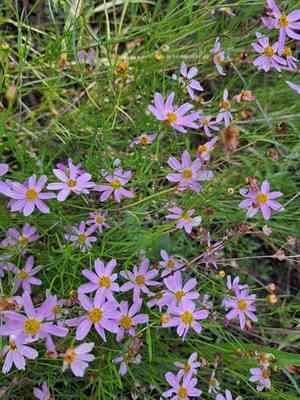
Look for its distinctive pink flowers with a yellow center, narrow green leaves, and a clumping growth habit. The plant usually reaches a height of 12-24 inches and spreads through rhizomes.
Scientific Classification of Pink tickseed
Phylum
Vascular plants
Class
Dicotyledons
Order
Asterales
Family
Daisy
Genus
Calliopsis
Species
Pink tickseed
Planting and Growing of Pink tickseed
Care Difficulty
Easy
Watering Schedule
Every 8 days
Sunlight Requirements
Full sun
Sunshine Duration
4-8 hours
Ideal Temperature
65-75℉
Soil Type
Potting Mix, Peat Mix
Soil pH
5.5-7
Fertilizer Type
Balanced
Pruning Season
Spring, Summer
Pruning Area
Branches, Leaves
Pruning Frequency
2 times a year
Repotting Season
Spring
Pot Type
Plastic, Ceramic
 How to Water Pink tickseed?
When watering Coreopsis rosea, aim for about 250 milliliters. Ensure that the water seeps deeply into the soil but avoid saturating. Calibrate your watering so that the soil is moist but not waterlogged.
What are the symptoms of an underwatered Pink tickseed?
›
What should I do if my Pink tickseed is not getting enough water?
›
What are the symptoms of an overwatered Pink tickseed?
›
How to save an overwatered Pink tickseed?
›
 What Are the Sunlight Requirements for Pink tickseed?
Coreopsis rosea ideally thrives under full sun for 6 to 8 hours per day. This exposure is crucial for ensuring abundant blooms and lush foliage. Proper sun exposure fosters strong and resilient growth, making the plant decorative and vibrant in garden settings.
More About Sunlight Requirements Techniques→
What is the best lighting condition?
›
How to achieve ideal lighting?
›
Benefits of ideal lighting?
›
 What Is the Ideal Temperature Range for Pink tickseed?
Coreopsis rosea thrives best in temperatures ranging from 65°F to 75°F. Within this range, the plant is able to undergo optimal physiological processes such as photosynthesis and respiration, leading to vigorous growth and blooming. Maintaining this temperature ensures the plant's metabolic activities are not hindered, allowing for lush foliage and abundant flowering.
 What Soil is Best for Pink tickseed?
Coreopsis rosea thrives in well-drained soil, which prevents waterlogging and promotes healthy root growth. This is especially beneficial as it reduces the risk of root rot and other water-related diseases. This plant benefits from a soil rich in organic matter, enhancing nutrient availability and improving soil structure. This facilitates robust growth and vibrant blooming. Maintaining some degree of moisture in the soil without saturation is crucial. This ensures that Coreopsis rosea has access to water during dry spells, promoting consistent growth and flowering.
 How to Fertilize Pink tickseed?
For Coreopsis rosea, use a balanced 10-10-10 liquid fertilizer at a rate of one teaspoon per gallon of water. For slow-release fertilizers, apply according to package instructions, typically around one to two tablespoons per plant. Avoid over-fertilizing as this can cause more harm than good.
 How to Prune Pink tickseed?
To encourage continuous blooming, it's vital to deadhead Coreopsis rosea regularly. Snip off spent blooms just above a new bud using sharp, clean scissors or pruning shears. This not only promotes flower production but also keeps the plant looking tidy and vibrant throughout the growing season. Remember: regular deadheading can significantly enhance the overall health and vigor of the plant. Thinning is another key pruning technique for Coreopsis rosea. By removing some of the denser foliage sections, you can improve air circulation within the plant. Use sharp shears to cut back crowded stems at the base, which helps prevent fungal infections and promotes healthier growth. This step is especially important if your plant is situated in a humid environment. In early Spring, perform a rejuvenative pruning to prepare Coreopsis rosea for a vigorous new season. Cut back growth to about 4-6 inches above the ground to remove winter-killed stems and encourage fresh, robust shoots. Be sure to use clean, sharp tools to make precise cuts, minimizing the risk of introducing pathogens.
More About Pruning Techniques→
 How to Propagate Pink tickseed plant?
1
To propagate Coreopsis rosea from seeds, start by sowing seeds in a well-draining seed mix in early spring. Cover the seeds lightly with soil and keep them moist. Place them in a warm, sunny location, and germination should occur in 10-14 days.
2
Take healthy cuttings of 4-6 inches from the parent plant in late spring. Remove the lower leaves and dip the cut end in rooting hormone. Plant the cutting in a pot with a moist, well-draining potting mix and provide indirect light.
3
Divide mature plants in early spring when they become overcrowded. Carefully dig up the plant and gently separate clumps, ensuring each section has roots attached. Replant each division at the same soil level they were growing before.
 How to Repot Pink tickseed plant?
1
Coreopsis rosea often shows signs when it's ready for a new pot: roots protruding from drainage holes, soil drying too quickly, or stunted growth. Typically, spring and summer are excellent seasons to repot as they coincide with the plant's growth phase, allowing it to adjust swiftly to its new environment.
2
Select a pot that is just a couple of inches larger in diameter than the current one. Pots made of clay or ceramic with drainage holes are excellent as they help in moisture management, preventing root rot. The pot should provide stability and aeration, facilitating the plant’s expansion effectively.
3
Opt for well-draining sandy soil, ideally mixed with some organic compost. This combination ensures proper drainage, preventing waterlogging, and offers a balanced nutrient profile. The improved aeration also fosters healthy root growth and stability for the Coreopsis rosea.
Learn More About Pink tickseed Diseases
Anthracnose
Bacterial Leaf Spot
Bacterial Soft Rot
Bacterial Wilt
Black Spot
Chemical Injury
Crown Gall
Cyst Nematode
Damping-off
Downy Mildew
Drought Stress
Fusarium Wilt
Gray Mold
Leaf Curl
Leaf Spot
Mosaic
Nutrient Deficiency
Nutrient Toxicity
Powdery Mildew
Root Rot
Root-knot Nematode
Rusts
Sooty Mold
Spider Mites
Temperature Stress
Thrips Damage
White Mold



