Enhancing Your Garden Design with the Bride's Bonnet Plant: A Landscaping Guide
1
Bride's Bonnet is prized for its unique aesthetic and versatility in diverse garden layouts.
2
Strategic positioning and complementary flora are vital for maximizing Bride's Bonnet's development and garden impact.
3
Beyond its charm, Bride's Bonnet provides considerable ecological advantages, supporting local ecosystems and species diversity.
Exploring the Distinctive Qualities of Bride's Bonnet
Appearance: What makes Bride's Bonnet unique?
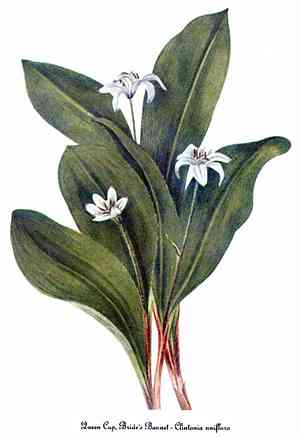
Bride's Bonnet is recognized for its singular and captivating look, which can greatly boost your garden's visual charm. With its rich green leaves and delicate, white blossoms, Bride's Bonnet offers a striking contrast against darker foliage and brighter floral tones. The plant's characteristic form and structure also add a dynamic visual element, making it a focal point in any garden scheme.
Seasonal patterns: When does Bride's Bonnet thrive best?
Bride's Bonnet exhibits specific seasonal behaviors that make it a versatile addition to your garden. It flourishes particularly well in spring and early summer, providing early-season interest when many other plants are just starting to emerge. Understanding Bride's Bonnet's life cycle can help you plan your garden to maintain its visual appeal throughout the year.
Integrating Bride's Bonnet into Your Garden Design
Selecting the ideal spot for Bride's Bonnet
Choosing the best location for Bride's Bonnet is vital for its development and visual impact. Bride's Bonnet prefers shaded to partly shaded areas, avoiding intense afternoon sun, which can scorch its tender leaves. Placing Bride's Bonnet in spots with filtered light, such as beneath trees or along garden edges, can create a peaceful and inviting space by highlighting its natural beauty.
Companion planting: What grows well alongside Bride's Bonnet?
Companion planting is an effective method to ensure Bride's Bonnet flourishes while also enhancing your garden's overall beauty. Plants like ferns, hostas, and other shade-loving perennials are excellent companions for Bride's Bonnet, as they thrive in similar conditions and complement Bride's Bonnet's visual appeal. Thoughtfully selecting companion plants can create a cohesive and harmonious garden design.
Care Guidelines for Bride's Bonnet in Landscaping
Watering requirements for optimal growth
Bride's Bonnet needs consistent moisture to thrive, especially during its active growth phases. Ensuring the soil is well-drained yet retains sufficient moisture can prevent the plant from drying out. Applying mulch around the base of Bride's Bonnet can help maintain soil moisture levels while also suppressing weeds that might compete for nutrients.
Managing sun exposure
Bride's Bonnet is best suited for environments with dappled sunlight or partial shade. Excessive exposure to direct sunlight, particularly during the hottest part of the day, can lead to leaf burn and overall stress for the plant. Strategically planting Bride's Bonnet in areas where it receives morning sun and afternoon shade can help maintain healthy growth and extended blooming periods.
The Ecological Advantages of Including Bride's Bonnet in Your Garden
Contribution to local ecosystems
Incorporating Bride's Bonnet into your garden can positively affect the local environment. Its flowers offer nectar for pollinators like bees and butterflies, supporting these crucial creatures in their environmental roles. Additionally, the plant's foliage provides shelter and habitat for various small wildlife species.
Supporting biodiversity with Bride's Bonnet
By adding Bride's Bonnet to your garden, you are fostering biodiversity and encouraging a healthier, more resilient ecosystem. Bride's Bonnet's presence can help sustain a diverse range of plant and animal life, contributing to a balanced and vibrant garden environment. This not only enhances the aesthetic appeal of your landscape but also supports the broader ecological network.



