The Bride's Bonnet Plant Advantage: Maximizing Home and Office Appeal and Wellness
1
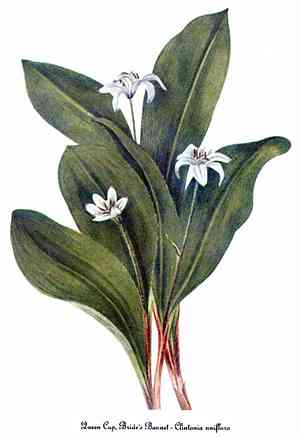
Bride's Bonnet is a perennial plant recognized by its distinct solitary white bloom.
2
This herb contributes positively to soil quality and supports ecological variety.
3
Bride's Bonnet has the potential to improve the visual attractiveness of outdoor environments.
What Are the Unique Characteristics of Bride's Bonnet?
Appearance and Growth
Bride's Bonnet is easily identified by its singular white bloom, often leading to its common name. This perennial herb typically flourishes in shaded, damp environments, making it an ideal choice for gardens needing ground cover in less sunny spots. Its broad, green leaves also contribute to its decorative appeal.
Native Habitat
Bride's Bonnet originates from North America, primarily found in western regions. It thrives in coniferous forests, benefiting from the rich, moist soil and the shade provided by tall trees. This natural setting makes Bride's Bonnet an excellent plant for boosting biodiversity in garden areas that mimic forest ecosystems.
How Does Bride's Bonnet Benefit Soil Health?
Enhancing Soil Quality
A key advantage of Bride's Bonnet is its capacity to improve soil quality. The plant's root system aids in aerating the soil and improving its structure, which facilitates better water retention and nutrient uptake. These enhancements lead to healthier plant communities and more resilient ecosystems.
Preventing Soil Erosion
Bride's Bonnet's dense root network effectively prevents soil erosion. By stabilizing the soil, this plant helps preserve the landscape's integrity, reducing the loss of fertile topsoil and preventing land degradation. This is especially beneficial in areas prone to erosion from heavy rainfall or human activities.
Can Bride's Bonnet Enhance Biodiversity?
Supporting Wildlife
Bride's Bonnet plays a vital role in supporting local wildlife. Its blossoms attract various pollinators, including bees and butterflies, which are crucial for the pollination of many plant species. Additionally, the plant offers habitat and food for small animals and insects, contributing to a balanced and flourishing ecosystem.
Creating Balanced Ecosystems
Beyond supporting individual species, Bride's Bonnet helps establish balanced ecosystems. By fostering biodiversity, it ensures that all components of the ecosystem can function effectively, from soil microorganisms to larger animals that depend on these plants for sustenance. This equilibrium is essential for the sustainability of natural landscapes.
How Does Bride's Bonnet Enhance Aesthetic Appeal?
Ornamental Value
With its attractive white flowers and lush green foliage, Bride's Bonnet adds significant decorative value to gardens and natural settings. It can be utilized as a ground cover in shaded areas, providing a burst of color and texture that can elevate the visual charm of any garden.
Landscaping Uses
Bride's Bonnet is adaptable in landscaping, making it suitable for various garden designs. Whether incorporated into woodland gardens, shaded borders, or as part of a naturalistic landscape, this plant can help create a tranquil and beautiful environment. Its low maintenance and resilience further enhance its appeal for gardeners seeking both beauty and practicality.
How to Care for Bride's Bonnet in Your Garden?
Planting Requirements
To successfully cultivate Bride's Bonnet, it's crucial to replicate its natural environment. Plant it in shaded or partially shaded areas with moist, well-drained soil. Incorporating organic matter into the soil can improve its quality and provide the nutrients Bride's Bonnet needs to thrive. Regular watering, especially during dry periods, will help maintain optimal moisture levels.
Maintenance Tips
Bride's Bonnet is relatively low-maintenance once established. Consistent watering and occasional feeding with a balanced fertilizer will keep the plant healthy. Removing dead leaves and spent flowers can also encourage new growth and preserve its ornamental value. Monitoring for pests and diseases, though rare in Bride's Bonnet, ensures the plant remains robust and attractive.



