Enhancing Your Garden Design with the Henderson's angelica Plant: A Landscaping Guide
1
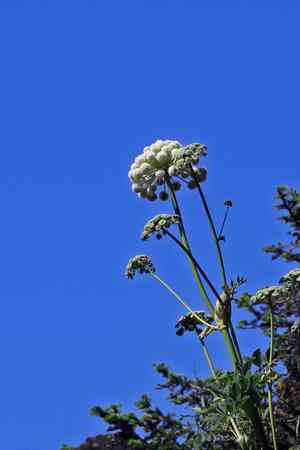
Henderson's angelica reaches heights of up to five feet, serving as an impressive centerpiece in any garden.
2
Henderson's angelica provides a lovely exhibition of seasonal hues, making it a vibrant feature for your outdoor space.
3
Adding Henderson's angelica to your garden can draw in helpful creatures, improving your local natural environment.
Appreciating the Visual Charm of Henderson's Angelica
Stature and Form: How tall Henderson's angelica grows and its visual contribution
A prominent characteristic of Henderson's angelica is its impressive stature. Reaching up to five feet, it can serve as a striking focal point in any garden. This height not only adds vertical interest but also aids in creating layers within your landscape design, contributing to a dynamic and visually appealing outdoor space. The robust stems of Henderson's angelica provide a structural element that can enhance the overall composition of your garden.
Seasonal Hues: Exploring the seasonal shifts in foliage and bloom periods
The seasonal color changes of Henderson's angelica bring a dynamic element to your garden. In spring and summer, Henderson's angelica displays lush green leaves and white or pale pink blossoms that create a soft, ethereal appearance. As seasons transition to autumn, the foliage may adopt a golden tint, adding a warm and inviting ambiance to your landscape. These seasonal transformations ensure your garden remains vibrant and engaging throughout the year.
Texture and Shape: How the distinct form and texture of Henderson's angelica enhance garden aesthetics
The unique texture and form of Henderson's angelica make it a valuable addition to any garden. The plant features finely divided leaves that offer a delicate, fern-like texture, contrasting beautifully with larger, bolder foliage of other plants. This contrast can create a more diverse and engaging landscape. Additionally, the umbel-shaped flower clusters elevate the garden's aesthetic by adding an intricate, almost architectural element.
Integrating Henderson's Angelica into Your Landscape
Companion Plants: Ideal plant partners for Henderson's angelica in a landscape setting
Selecting appropriate companion plants for Henderson's angelica can boost the overall beauty and health of your garden. Excellent companions include plants like ferns, hostas, and shade-loving perennials. These plants share similar growing conditions and can complement Henderson's angelica's height and texture. Moreover, incorporating flowering plants with varied bloom times can ensure color in your garden throughout the growing season, making your landscape vibrant and engaging.
Design Principles: Harmonizing color and texture with Henderson's angelica
Incorporating Henderson's angelica into your garden design involves understanding how to balance color and texture effectively. Consider pairing Henderson's angelica with plants that have contrasting textures, such as the broad leaves of hostas or the smooth foliage of ferns. This contrast not only highlights the delicate nature of Henderson's angelica's foliage but also creates a balanced and cohesive look. Additionally, interspersing plants with different foliage colors can accentuate the seasonal hues of Henderson's angelica, adding depth and interest to your landscape.
Placement Strategy: Optimal locations for planting Henderson's angelica for best growth and visual impact
Placing Henderson's angelica in the correct spot is vital for its growth and the overall aesthetic of your garden. Ideally, plant Henderson's angelica in a partially shaded area with moist, well-drained soil. This environment mimics its natural habitat and ensures optimal growth. Positioning Henderson's angelica at the back of a border or in the middle of a bed can showcase its height without overwhelming smaller plants. Additionally, using Henderson's angelica as a backdrop for shorter plants can create a sense of depth and dimension in your garden.
Ecological Advantages of Including Henderson's Angelica in Your Garden
Attracting Wildlife: How Henderson's angelica draws beneficial insects and birds
Henderson's angelica is not merely ornamental; it also plays a crucial role in supporting local wildlife. The plantâs flowers are a nectar source for beneficial insects such as bees and butterflies, aiding in the pollination of other plants in your garden. Additionally, birds are often drawn to Henderson's angelica for its seeds and the insects it attracts, making your garden a bustling hub of wildlife activity.
Environmental Influence: Discussing Henderson's angelica's contribution to supporting local ecosystems
Including Henderson's angelica in your garden can positively impact the local ecosystem. By providing food and habitat for various insects and birds, Henderson's angelica helps maintain biodiversity. This biodiversity is essential for a resilient ecosystem, promoting natural pest control and pollination, which are crucial for a healthy garden. Furthermore, the deep roots of Henderson's angelica can help improve soil structure and prevent erosion, contributing to the overall health of your garden.
Sustainability Aspects: Water conservation and low maintenance benefits of Henderson's angelica
A significant advantage of incorporating Henderson's angelica into your landscape is its minimal maintenance requirements. Once established, Henderson's angelica is relatively drought-tolerant and needs little watering, making it an excellent choice for water conservation. Additionally, its resistance to pests and diseases means you can maintain a beautiful garden with fewer chemical interventions. This sustainability aspect not only benefits the environment but also reduces the time and effort needed to care for your garden.



