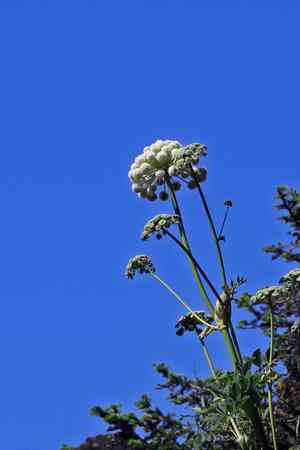
Henderson's angelica (Angelica hendersonii)
Also known as: Seaside Angelica, Henderson's Angelica
Henderson's angelica (Angelica hendersonii) is a perennial herbaceous plant that can reach up to 1 meter in height. It is indigenous to the coastal areas of northern California and southern Oregon in the United States. This species thrives in full sun and is adaptable to different soil types.
In This Article
Attributes of Henderson's angelica
Lifespan
Perennial
Plant Type
Herb
Plant Height
1 m to 2 m
Spread
30 cm to 90 cm
Leaf Color
Green
Flower Size
5 to 10 cm
Flower Color
White
Images of Henderson's angelica
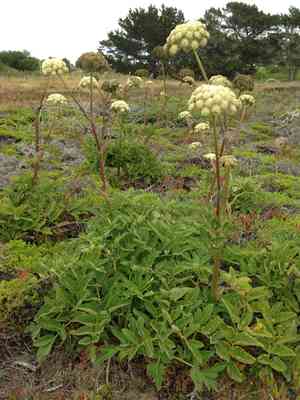
Quickly Identify Henderson's angelica
1
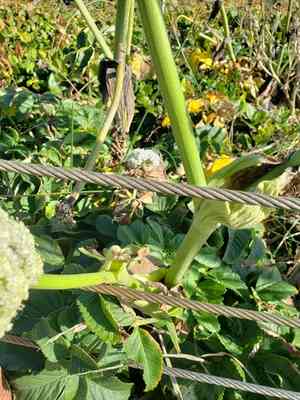
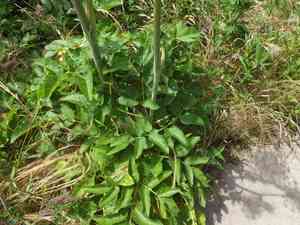
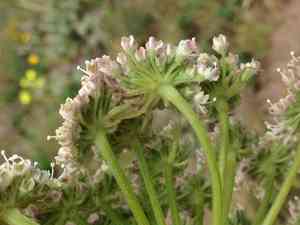
To identify Angelica hendersonii, look for its tall height, typically between 1.2 to 2 meters, large compound leaves, and umbrella-like clusters of small flowers. The stems are hollow and can be purplish in color.
Scientific Classification of Henderson's angelica
Phylum
Vascular plants
Class
Dicotyledons
Order
Apiales
Family
Umbellifers
Genus
Angelica
Species
Henderson's angelica
Planting and Growing of Henderson's angelica
Care Difficulty
Easy
Watering Schedule
Every 4 days
Sunlight Requirements
Full sun
Sunshine Duration
6-10 hours
Ideal Temperature
60-75℉
Soil Type
Potting Mix, Peat Mix
Soil pH
6.5-7.5
Fertilizer Type
Balanced
Pruning Season
Spring, Summer
Pruning Area
Branches, Leaves
Pruning Frequency
2 times a year
Repotting Season
Spring
Pot Type
Ceramic, Plastic
 How to Water Henderson's angelica?
Angelica hendersonii requires watering until the soil is thoroughly moist but not drenched. A good principle is to water with around 250 ml each time, ensuring that the topsoil is damp to about 1-2 inches deep. This encourages strong root development and prevents waterlogging, which can cause root rot.
What are the symptoms of an underwatered Henderson's angelica?
›
What should I do if my Henderson's angelica is not getting enough water?
›
What are the symptoms of an overwatered Henderson's angelica?
›
How to save an overwatered Henderson's angelica?
›
 What Are the Sunlight Requirements for Henderson's angelica?
Angelica hendersonii thrives best with full to partial sun exposure, ideally between 6-8 hours daily. Adequate light ensures robust growth, lush foliage, and optimal health, enhancing its ornamental value and resilience to environmental stressors.
What is the ideal light for Angelica hendersonii?
›
How can one achieve ideal lighting for Angelica hendersonii?
›
What benefits does ideal lighting offer to Angelica hendersonii?
›
 What Is the Ideal Temperature Range for Henderson's angelica?
The ideal temperature range for Angelica hendersonii is between 60°F and 75°F. This range provides the optimal conditions for growth, ensuring the plant's metabolic processes function efficiently. Within this range, the plant can photosynthesize effectively, grow at a healthy rate, and produce abundant foliage and flowers, contributing to its overall vitality and resilience.
 What Soil is Best for Henderson's angelica?
Angelica hendersonii thrives in well-draining soil, as this prevents waterlogging and root rot. Ensuring good drainage increases the plant's ability to uptake nutrients efficiently and supports healthy growth. This plant prefers soils rich in organic matter, which provide essential nutrients for its development. Enriched soil enhances the plant's robustness and aids in producing vibrant foliage. While drainage is crucial, a soil that holds moderate moisture helps maintain consistent hydration. This balance is key to preventing the plant from experiencing stress or wilting during dry periods.
 How to Fertilize Henderson's angelica?
For Angelica hendersonii, using liquid fertilizer, apply approximately 100-150 ml per plant each time. With slow-release fertilizers, use about 30 grams per plant, as it's essential not to overwhelm the roots.
 How to Prune Henderson's angelica?
Begin by removing any dead or damaged stems and foliage to encourage new growth and improve plant health. This helps prevent disease and pest infestations. To shape Angelica hendersonii, prune back excessive growth to maintain an open structure. This ensures that sunlight penetrates the inner parts of the plant and avoids overcrowding. Cut back stems that are growing too tall or in an unwanted direction to maintain the desired size and shape of the plant.
More About Pruning Techniques→
 How to Propagate Henderson's angelica plant?
1
Collect seeds at the end of the flowering season. Clean and dry them before storage. This ensures they are free of any unwanted pathogens that might impede germination once planted.
2
Select a healthy, disease-free stem. Cut below a node at a 45-degree angle. This increases the surface area for rooting and speeds up the process of new root growth.
3
Carefully separate mature plants into smaller sections ensuring each section has roots attached. This method is best done in early spring to allow the divisions to establish before the growing season.
 How to Repot Henderson's angelica plant?
1
Angelica hendersonii should be repotted when you notice its roots begin to protrude from the pot's drainage holes, or when you see it's becoming root-bound. Other signs include decreased growth or the plant's overall health declining despite adequate watering and feeding. Spring and early summer are the best seasons for repotting because the plant is actively growing and can recover more quickly from transplant shock.
2
Select a pot that is about one size larger than the existing one, with adequate drainage holes to ensure excess water can escape. Ceramic or terra cotta pots are ideal as they allow for better air flow to the roots, which helps prevent root rot. A heavier pot can also provide more stability for the tall growth habit of Angelica hendersonii.
3
Use a well-draining loamy soil mix that contains organic material to provide essential nutrients. This type of soil helps retain moisture without waterlogging, crucial for Angelica hendersonii, which prefers consistent moisture but does not like soggy conditions. Adding some perlite can further enhance drainage and aeration in the pot.
Learn More About Henderson's angelica Diseases
Anthracnose
Bacterial Leaf Spot
Bacterial Soft Rot
Bacterial Wilt
Crown Gall
Cyst Nematode
Damping-off
Downy Mildew
Drought Stress
Fusarium Wilt
Gray Mold
Leaf Spot
Mosaic
Nutrient Deficiency
Nutrient Toxicity
Powdery Mildew
Root Rot
Root-knot Nematode
Rusts
Sooty Mold
Spider Mites
Temperature Stress
Thrips Damage
White Mold
Chemical Injury



