Optimal Fertilizer for Growing Firecracker plant: What You Need to Know
1
Nourish your Firecracker plant in spring when its growth is strongest.
2
Seek out a well-rounded fertilizer that includes nitrogen, phosphorus, and potassium.
3
Always ensure sufficient watering after fertilizing to prevent damage to the roots.
Understanding Firecracker Plant's Nutritional Needs
Why Does the Firecracker Plant Require Nutrients?
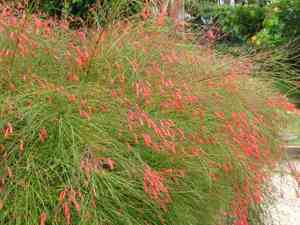
The Firecracker plant, celebrated for its striking red, tubular blooms, needs fertilization to sustain its vibrant development. Like most flora, it extracts vital elements from the earth. However, over time and with regular irrigation, these elements diminish. Fertilizing replenishes the soil's nutrient content, fostering healthier growth, enhanced flowering, and increased resilience to pests and diseases.
Essential Nutrients for Firecracker Plant Development
For vigorous growth, the Firecracker plant demands a balanced blend of critical nutrients. These include:Nitrogen (N): Crucial for foliage expansion and overall plant vitality.Phosphorus (P): Supports root development and blossom formation.Potassium (K): Aids in general plant health and boosts disease resistance.These three components typically form the N-P-K ratio displayed on fertilizer packaging. A balanced 10-10-10 fertilizer is frequently advised for this species.
Signs of Nutrient Deficiency in Firecracker Plants
Nutrient shortages can manifest in various ways in your Firecracker plant:Yellowing Leaves: Often an indicator of nitrogen deficiency.Poor Flower Production: May signal a lack of phosphorus.Weak Stems and Foliage: Usually attributable to a potassium deficit.By recognizing these indicators early, you can implement corrective measures through proper fertilization to restore your plant's well-being.
Selecting the Appropriate Fertilizer for Firecracker Plants
Fertilizer Types Suitable for Firecracker Plants
There are several types of fertilizers you can choose from to nourish your Firecracker plant. Consider these options:Liquid Fertilizers: Fast-acting and simple to apply, offering immediate nutrient availability.Granular Fertilizers: Slow-release choices that provide continuous nourishment over an extended period.Water-soluble Fertilizers: Easily mixed with water for uniform application during routine watering.Each type has its benefits, so select one that aligns with your gardening routine and the specific requirements of your plant.
Organic Versus Chemical Fertilizers for Firecracker Plants
Both organic and chemical fertilizers can be effective, but they possess distinct characteristics:Organic Fertilizers: These include compost, manure, and bone meal. They enhance soil structure, promote microbial activity, and offer a gradual release of nutrients. However, their action might be slower than chemical alternatives.Chemical Fertilizers: These are immediately accessible to plants and can be highly effective in addressing specific nutrient shortages. Nevertheless, they can sometimes lead to a buildup of salts in the soil over time if not used correctly.Choose based on your preference for natural gardening or the immediate needs of your Firecracker plant.
Optimal Time to Fertilize Firecracker Plants
The best period to fertilize your Firecracker plant is during spring. This is when the plant resumes active growth after its dormant winter phase. In spring, the plant's energy is directed towards new growth and flowering, making nutrient absorption more efficient. Aim to fertilize every 4-6 weeks during the growing season for optimal results.
Applying Fertilizer to Firecracker Plants
Step-by-Step Guide for Fertilizing Firecracker Plants
Fertilizing your Firecracker plant can be a straightforward process if executed correctly. Follow these steps:Select Your Fertilizer: Choose a balanced fertilizer appropriate for your Firecracker plant.Measure Accurately: Adhere to package instructions to mix the correct amount of fertilizer. Over-fertilizing can harm your plant.Apply Evenly: Distribute the fertilizer uniformly around the plant's base, avoiding direct contact with stems and leaves.Water Thoroughly: Irrigate the plant immediately after applying fertilizer to aid nutrient absorption and prevent root burn.
Avoiding Common Fertilization Errors
Even experienced gardeners can make mistakes. Here are some to steer clear of:Over-Fertilizing: Excessive fertilizer can cause nutrient burn, evidenced by brown or scorched leaf edges.Incorrect Timing: Fertilizing too late in the season can stimulate growth that the plant cannot sustain through winter.Ignoring Soil pH: The Firecracker plant prefers slightly acidic to neutral soil. Check your soil pH to ensure nutrient availability.
Monitoring Firecracker Plants After Fertilization
After fertilizing, observe your plant to ensure it's responding well to the treatment. Look for signs of new growth, improved coloration, and better overall health. If you notice any adverse reactions, such as leaf burn or unusual discoloration, reduce the frequency or amount of fertilizer.
Post-Fertilization Care for Firecracker Plants
Watering Practices for Fertilized Firecracker Plants
Watering is vital after fertilization. Ensure your Firecracker plant receives consistent moisture. Water deeply enough to reach the root zone but prevent waterlogging. Aim to keep the soil uniformly moist, but allow the top layer to dry out slightly between waterings.
Pruning Advice After Fertilizing Firecracker Plants
Pruning your Firecracker plant after fertilization can encourage denser growth and more blooms. Trim back any leggy or damaged stems to maintain a neat shape and stimulate new growth. Use clean and sharp pruning shears to prevent disease spread.
Adjusting Light Exposure and Placement
Your Firecracker plant thrives in full sun to partial shade. After fertilization, ensure it receives adequate sunlight. If the plant is indoors, consider moving it closer to a window where it can get bright indirect light. If outdoors, ensure it's in a spot that receives at least 4-6 hours of sunlight daily.



