Optimal Fertilizer for Growing Turkey oak: What You Need to Know
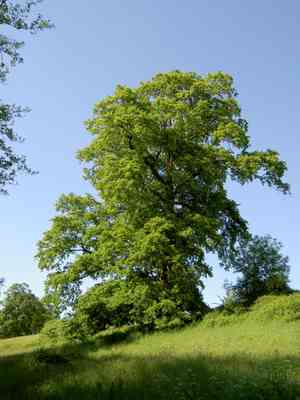
1
Refrain from excessive fertilization, as it can be detrimental instead of advantageous for your Turkey oak. Extended-release fertilizers are frequently a suitable option.
2
Nourish Turkey oak in the initial spring period to guarantee nutrient availability throughout its active growth phase.
3
Conduct a soil analysis periodically to track and modify nutrient concentrations as required.
Understanding Nutrient Requirements for Turkey Oak
The Significance of Nitrogen, Phosphorus, and Potassium
Nutrient provision is vital for the robust development of your Turkey oak. The three main elements essential for the tree are Nitrogen (N), Phosphorus (P), and Potassium (K), commonly known as NPK. Nitrogen supports foliage and stem expansion, leading to a lush, green appearance. Phosphorus is crucial for root growth and flower formation, while Potassium boosts the tree's overall resilience, aiding in disease resistance and tolerance to harsh conditions. For Turkey oak, maintaining a balanced NPK ratio is key for optimal growth and vitality.
Evaluating Soil Conditions and Nutrient Levels
Prior to fertilizing your Turkey oak, it's important to assess the soil's current state and nutrient content. This can be achieved through a soil analysis, which will provide detailed data on pH levels, nutrient concentrations, and any deficiencies. Soil tests are critical as they indicate whether your soil is too acidic or alkaline for your Turkey oak and if any vital nutrients are absent. Understanding your soil's condition helps in selecting the appropriate fertilizer and prevents the risks of excessive or insufficient fertilization.
Optimal Fertilization Timing for Turkey Oak
Best Seasons for Nutrient Application
The ideal time to fertilize your Turkey oak is in the spring, just before its active growth period commences. Fertilizing in early spring ensures that nutrients are readily available when the tree begins vigorous growth. This timing allows the tree to better absorb and utilize the nutrients, promoting healthy foliage and strong development. Avoid fertilizing in late summer or autumn as this can stimulate new growth that may not harden off before winter, making it vulnerable to frost damage.
Indicators That Your Turkey Oak Requires Fertilization
Recognizing when your Turkey oak needs nutrients is crucial for maintaining its health. Common indicators include stunted development, yellowing leaves, and poor leaf formation. If you observe these symptoms, it's a clear sign that your tree might be suffering from nutrient shortages. Consistent monitoring and observing the tree's condition can help you determine the correct time to fertilize, preventing potential health issues arising from nutrient imbalances.
Selecting the Appropriate Fertilizer for Turkey Oak
Organic Versus Synthetic Fertilizers
The choice between organic and synthetic fertilizers depends on your preferences and the specific needs of your Turkey oak. Organic fertilizers, such as compost and manure, release nutrients gradually and enhance soil structure. They are excellent for long-term soil health. Conversely, synthetic fertilizers offer immediate nutrient availability, which can be beneficial if your tree exhibits signs of nutrient deficiency. However, they do not improve soil structure and can lead to nutrient runoff if not applied correctly. A balanced approach often works bestâusing organic fertilizers for sustained improvement and synthetic fertilizers for quick nutritional boosts when necessary.
Recommended Fertilizers for Oak Varieties
For Turkey oak, a balanced, slow-release fertilizer with an NPK ratio of 10-10-10 or 12-6-6 is generally advised. These ratios ensure a consistent supply of essential nutrients without the danger of over-fertilizing. Additionally, fertilizers specifically formulated for oak trees often contain micronutrients like iron and manganese, which are vital for healthy growth. Both granular and liquid fertilizers can be effective, but ensure even distribution and proper application to prevent localized over-fertilization.
Fertilizer Application Methods for Turkey Oak
Step-by-Step Application Procedures
Applying fertilizer to your Turkey oak can be straightforward if executed correctly. Here's a detailed guide:Begin by measuring the area beneath the tree's canopy. This is the root zone where nutrients should be applied.Distribute the fertilizer uniformly across the root zone. For granular fertilizers, scatter them evenly over the soil. For liquid fertilizers, ensure thorough saturation.Water the area thoroughly after application to help dissolve and disperse the nutrients into the soil.Avoid applying fertilizer near the tree trunk. Instead, focus on the outer edges of the canopy, where most absorption occurs.Consistently follow these steps to ensure effective fertilization without the risk of over-concentration.
Safety Guidelines and Common Errors
Safety is paramount when applying fertilizers to your Turkey oak, for both the tree and the environment. Here are some tips and frequent mistakes to avoid:Always review the instructions on the fertilizer packaging. Excessive application can damage roots and diminish tree health.Wear gloves and protective clothing to prevent direct contact with the fertilizer.Do not apply fertilizer during periods of drought or extreme heat. This can stress the tree and reduce nutrient uptake.Check the weather forecast. Avoid applying fertilizer before heavy rainfall, which can cause runoff and nutrient loss.By adhering to these safety guidelines, you can ensure a healthy environment for your Turkey oak and its surroundings.
Post-Fertilization Monitoring of Turkey Oak
Observing Changes in Growth and Vigor
After applying nutrients, it's crucial to monitor your Turkey oak for changes in growth and health. Denser foliage, improved leaf coloration, and new growth are positive signs that the tree is benefiting from the added nutrients. Conversely, if the tree shows no improvement, or if you notice leaf scorch or wilting, re-evaluate your fertilization process as there could be an issue with over-fertilization. Regular observation helps in making timely adjustments and maintaining a healthy tree.
Adjusting Nutrient Plans Based on Tree's Response
Based on your observations, you may need to modify your fertilization strategy. If your Turkey oak appears healthy and is thriving, continue with the current nutrient schedule. However, if there are indications of nutrient deficiency or excess, it might be necessary to alter the type, quantity, or frequency of fertilizer used. Regular soil tests can also provide valuable insights into the ongoing nutrient requirements of your tree. Remember, the objective is sustainable growth, so adapt your fertilization approach to reflect the tree's specific needs.



