Optimal Fertilizer for Growing Peacock plant: What You Need to Know
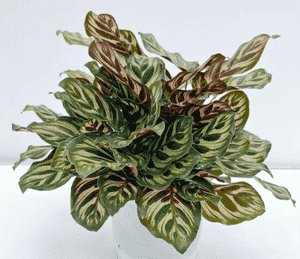
1
Peacock plants react poorly to excessive feeding; begin with a smaller amount and slowly raise it.
2
Employing rainwater for irrigation and fertilizer mixing can prevent mineral accumulation in the substrate.
3
Performing a soil acidity test can inform you about the most suitable fertilizer for your specimen.
Grasping the Nutritional Requirements of Peacock plant
Key Nutrients for Peacock plant
The Peacock plant flourishes with a balanced intake of vital nutrients. This tropical species thrives in conditions mirroring its natural habitat. Primary nutrients include nitrogen (N), phosphorus (P), and potassium (K), often known as N-P-K. Nitrogen supports robust leaf development, phosphorus is essential for root growth, and potassium boosts overall plant vitality, enhancing disease resistance. Additionally, Peacock plants require secondary nutrients like calcium and magnesium, plus trace elements such as iron, manganese, and zinc, which aid various biological processes.
Indicators of Nutrient Deficiencies in Peacock plant
It's crucial to identify signs of nutrient shortages to provide prompt care for your Peacock plant. Yellowing foliage might signal a nitrogen deficit, while stunted development or purplish leaf tints can point to a phosphorus deficiency. Potassium deficiency often appears as browning or curling leaf margins. Iron deficiency typically manifests as yellowing between the leaf veins. Regularly check your plant for these symptoms to modify your feeding practices and ensure vigorous health and growth.
Selecting the Appropriate Fertilizer for Your Peacock plant
Fertilizer Varieties Suitable for Peacock plant
Choosing the correct fertilizer is vital for your Peacock plant's well-being. A balanced, water-soluble fertilizer with a 10-10-10 N-P-K ratio, applied at half strength, is frequently ideal. This ensures your plant receives an even distribution of primary nutrients. Slow-release granular fertilizers are another option, providing a steady nutrient supply over an extended period and minimizing the risk of over-fertilization.
Organic vs. Synthetic Fertilizers for Peacock plant
When deciding between organic and synthetic fertilizers, both offer advantages and disadvantages. Organic fertilizers, such as compost and worm castings, are derived from natural sources and enhance soil health by adding organic matter. They release nutrients gradually and lessen the chance of nutrient burn. Synthetic fertilizers, conversely, deliver a more immediate nutrient boost, which can be beneficial for accelerating growth. However, they can lead to salt accumulation in the soil if not used properly. Consider your plant's requirements, your environmental preferences, and ease of use when making your selection.
Optimal Fertilization Methods for Peacock plant
Fertilizing Frequency for Peacock plant
For luxuriant growth, fertilize your Peacock plant during its peak growing season, typically summer. A bi-monthly schedule (every two weeks) works well when using a balanced, water-soluble fertilizer at half strength. During the colder months, reduce the frequency to once every six to eight weeks, as the plant's growth slows down.
Best Practices for Applying Fertilizer to Peacock plant
When applying fertilizer, thoroughly water the plant beforehand to prevent root damage. Mix the fertilizer according to package directions, usually at half the recommended concentration. Pour the fertilizer solution evenly around the plant's base, avoiding direct contact with the leaves to prevent foliage burn. Ensure some water drains from the pot's bottom, indicating adequate root flushing and helping prevent salt buildup. Consistency is key, so adhering to a regular feeding schedule will help maintain your Peacock plant's health.
Resolving Common Issues When Fertilizing Peacock plant
Managing Fertilizer Burn in Peacock plant
Fertilizer burn occurs when plant roots absorb excessive nutrients, leading to leaf scorching or root damage. If you observe yellow or brown leaf edges, cease fertilizing immediately. Flush the soil with ample water to dilute the surplus fertilizer. Ensure proper drainage to mitigate further harm. For future applications, use a more diluted fertilizer solution and monitor the plant's reaction.
Addressing Over or Under-Fertilization in Peacock plant
Balancing fertilizer application is crucial. Over-fertilization can result in rapid, leggy growth with weak stems, while under-fertilization can cause slow growth and pale or discolored leaves. Regularly observe your plant for signs of distress. Conduct a soil pH test to check if nutrient absorption is being affected. Adjust your fertilizing regimen based on the plant's needs, reducing the amount or frequency of application in cases of over-fertilization, and gradually increasing it if deficiency symptoms appear.



