Optimal Fertilizer for Growing Gold dust dracaena: What You Need to Know
1
Gold dust dracaena flourishes optimally with a well-rounded, liquid plant food during its period of active development.
2
Excessive fertilization may lead to leaf discoloration and root damage. Adhere strictly to the fertilizer's directions.
3
Supplying nutrients in the warmer months supports vigorous development and vivid leaf coloration.
Understanding the Nutritional Needs of Gold dust dracaena
What Makes Gold dust dracaena Unique in Its Fertilization Needs?
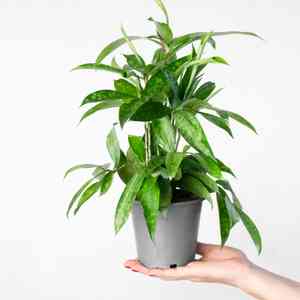
The Gold dust dracaena (Dracaena surculosa) is a favored houseplant, admired for its striking leaves adorned with golden-yellow spots. Unlike some other indoor plants, it has moderate feeding requirements, meaning it thrives with regular but not excessive nutrient provision. Its distinct need lies in its preference for balanced nutrients throughout its active growth period. Grasping these specific demands helps ensure the plant retains its lush appearance.
Key Nutrients for Healthy Growth
To support the robust development of your Gold dust dracaena, essential nutrients like Nitrogen (N), Phosphorus (P), and Potassium (K) are crucial. Nitrogen promotes abundant foliage, Phosphorus aids in root development, and Potassium enhances overall plant vitality. Additionally, trace elements such as magnesium and calcium are vital for maintaining the vibrant color of its spotted leaves. A well-balanced, water-soluble fertilizer (e.g., 10-10-10) during the growing season ensures the plant receives these critical nutrients.
Choosing the Right Fertilizer for Gold dust dracaena
Types of Fertilizers: Pros and Cons
Selecting the appropriate fertilizer involves understanding the advantages and disadvantages of various kinds. Water-soluble fertilizers offer immediate nutrient uptake, making them perfect for a quick boost. Slow-release fertilizers, conversely, provide a consistent nutrient supply over time, lessening the risk of over-fertilization. Liquid fertilizers can be more uniformly distributed but necessitate more frequent applications, while granular fertilizers are simple to use but may not offer as even distribution. Consider your watering habits and available time when choosing a type.
Organic vs. Synthetic Fertilizers: Which Is Better for Your Gold dust dracaena?
The decision between organic and synthetic fertilizers depends on personal preference and the plant's requirements. Organic fertilizers, such as compost or worm castings, improve soil structure and offer a gradual release of nutrients, benefiting long-term soil health. However, they might not deliver nutrients as rapidly. Synthetic fertilizers, like a balanced 10-10-10 formula, provide immediate nutrient availability and precise control over nutrient amounts but can lead to salt buildup in the soil. For Gold dust dracaena, both options can work, but a balanced, water-soluble synthetic fertilizer during the summer growing season is particularly effective.
Optimal Fertilization Techniques and Schedule
When to Fertilize Your Gold dust dracaena
Timing is critical for feeding your Gold dust dracaena. The ideal time to fertilize is during the summer, its peak growth period. Fertilizing every 4-6 weeks during this time supports vigorous growth and vibrant foliage. It's wise to reduce or cease fertilization during fall and winter when the plant's growth slows, preventing unnecessary nutrient accumulation in the soil.
How to Apply Fertilizer Correctly
Proper fertilizer application ensures your Gold dust dracaena receives the necessary nutrients without the danger of over-feeding. Begin by diluting the water-soluble fertilizer according to the package directions. Pour the solution evenly over the soil until it starts draining from the pot's bottom, ensuring thorough distribution and avoiding root damage. Always water the plant before fertilizing to prevent fertilizer shock and rinse any spills on the leaves to avoid foliage damage.
Common Signs of Under-Fertilization and Over-Fertilization
Detecting Deficiencies in Gold dust dracaena
Recognizing the indicators of under-fertilization can help you adjust your care routine. Symptoms include stunted growth, pale or yellow leaves, and weak stems. A lack of specific nutrients might manifest as brown leaf tips (Potassium deficiency) or poor root development (Phosphorus deficiency). Regularly observing your plant and noting changes will help you identify nutrient deficiencies early on.
Handling Fertilizer Burn: Prevention and Treatment
Excessive fertilization can cause fertilizer burn, characterized by browning leaf edges, wilting, or white mineral deposits on the soil surface. To prevent this, always adhere to the recommended dilution rates on your fertilizer packaging, and periodically flush the soil with plain water to remove excess salts. If your plant exhibits signs of fertilizer burn, immediately flush the soil with ample water to dilute the surplus fertilizer and refrain from feeding until the plant recovers.
Troubleshooting and Adjusting Your Fertilization Strategy
Modifying Fertilization Approaches Based on Plant Response
Observe how your Gold dust dracaena reacts to fertilization and be prepared to modify your strategy. If the plant displays continuous healthy growth and vibrant leaves, your feeding routine is likely effective. However, if there are signs of nutrient imbalance or stress, re-evaluate the type and amount of fertilizer used, and adjust the frequency of application accordingly. Monitoring plant health and adapting care practices is essential for successful long-term maintenance.
Seasonal Adjustments for Fertilizing Gold dust dracaena
Seasonal changes necessitate modifications in your fertilization approach. In the summer, when the plant is actively growing, increase the frequency of fertilization to every 4-6 weeks. Conversely, reduce or cease fertilization during the fall and winter months when the plant's growth naturally slows. This seasonal adjustment helps maintain nutrient balance and prevents root damage from unnecessary feeding when the plant is dormant.



