Feng Shui for Korean pine
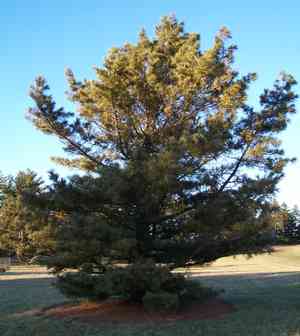
The Korean pine imparts a serene, stabilizing influence, perfectly harmonizing with the Wood element in Feng Shui principles. Its placement is most effective when oriented towards the Southeast, largely due to this direction's association with favorable development and plentifulness, mirroring the inherent resilience and flourishing nature of the Korean pine. Nevertheless, the potency of this botanical specimen is subjective, largely contingent on personal interpretation.
How Does Korean Pine Influence Energies in Your Life?
Prosperity and Growth
As it's linked to the Wood element, korean pine represents ascent, expansion, and upward development, signifying affluence and riches in various forms.
Flexibility and Adaptability
The Xun Qi energy of korean pine spreads in a dispersed and emerging manner, indicating resilience, flexibility, and the capacity to adjust to life's shifts.
What Makes Korean Pine An Auspicious Choice In Feng Shui?
Prosperity
The korean pine resonates with the Wood Element, fostering a sense of increasing wealth and career advancement.
Harmony
By activating its 'Xun' Qi, korean pine establishes a balanced environment by harmonizing energies and fostering peace.
Personal Growth
Korean pine, symbolizing the Wood element, can aid personal development by attracting wholesome, nurturing energies.
What Maintenance Tips Should Be Considered for Korean Pine?
Incorrect Placement
If korean pine is positioned incorrectly, it might dominate other elements and disturb the energetic equilibrium.
Overgrowth
Be cautious of excessive growth, as an abundance of the 'Wood' element in a space could lead to a sense of stagnation.
Inappropriate Pairings
Combining korean pine with Fengshui elements that oppose Wood could lead to discord and friction.
Where to Position Korean Pine for Feng Shui?
Where to Position Korean Pine for Feng Shui?
The korean pine brings a calm, stabilizing energy, perfectly aligning with the Wood element in Feng Shui. It is best suited for placement in the Southeast, primarily because this direction is associated with favorable growth and abundance, mirroring the natural resilience and prosperity of the korean pine. However, this plant's influence is subjective, largely depending on individual interpretation.



