The Yellow spiny daisy Plant Advantage: Maximizing Home and Office Appeal and Wellness
1
The yellow spiny daisy is a resilient plant that flourishes in arid, sun-drenched environments.
2
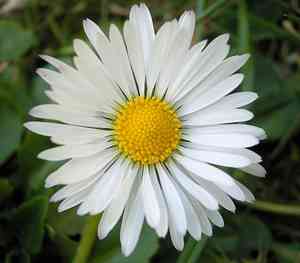
Its bright yellow blooms render it a captivating garden feature.
3
This plant is recognized for its capacity to enhance soil quality and draw in helpful insects.
What Makes Yellow spiny daisy an Excellent Addition to Your Garden?
Its Drought Resistance
A remarkable characteristic of Yellow spiny daisy is its capacity to endure extended dry spells. This renders it a perfect selection for gardens in arid regions or for those aiming to conserve water. Unlike numerous other plants that demand consistent irrigation, Yellow spiny daisy flourishes with minimal moisture, helping you reduce water expenses and contribute to water conservation efforts.
Attracts Pollinators
The vibrant yellow blossoms of Yellow spiny daisy are not only visually appealing; they also act as a draw for pollinators such as bees, butterflies, and other beneficial insects. These pollinators are vital for the reproductive success of many plants in your garden. By drawing in these insects, Yellow spiny daisy aids in fostering a more biodiverse and productive garden environment, promoting the overall health of your garden's ecosystem.
How Can Yellow spiny daisy Benefit Soil Health?
Erosion Control
The deep root system of Yellow spiny daisy plays a crucial role in preventing soil erosion. By firmly anchoring the soil, it helps preserve soil structure and prevents the loss of valuable topsoil. This is especially advantageous in areas prone to erosion due to wind or water runoff. Incorporating Yellow spiny daisy into your garden can help stabilize the soil and mitigate erosion-related issues.
Improves Soil Composition
Yellow spiny daisy contributes to soil health by enhancing its makeup. As the plant grows and eventually breaks down, it introduces organic matter to the soil, enriching it with essential nutrients. This organic matter improves the soil's structure, encourages better water retention, and supports the growth of other plants. Furthermore, the presence of Yellow spiny daisy in your garden can stimulate the proliferation of beneficial microorganisms that further boost soil fertility.
How to Successfully Cultivate Yellow spiny daisy in Your Garden?
Planting Requirements
Yellow spiny daisy is relatively simple to grow and necessitates specific conditions to thrive. It prefers full sun and well-drained soil, making it an excellent option for rocky or sandy soils. When planting Yellow spiny daisy, ensure it receives ample sunlight throughout the day. While it is drought-tolerant, providing occasional watering during extended dry periods can help the plant establish its roots and flourish.
Care Guidelines
Maintaining Yellow spiny daisy is straightforward and effortless. Once established, it requires minimal care and attention. Pruning is generally not needed, but you can trim spent flowers to encourage new blooms and maintain a neat appearance. Additionally, Yellow spiny daisy is resistant to most pests and diseases, reducing the need for chemical interventions. This makes it an eco-friendly addition to your garden that supports sustainable gardening practices.
Why Select Yellow spiny daisy for Landscaping Projects?
Visual Appeal
The vibrant yellow flowers of Yellow spiny daisy add a burst of color to any landscape. Whether utilized as a ground cover, border plant, or a focal point in a garden bed, its cheerful blooms create a visually attractive display. The plant's distinctive appearance and low maintenance needs make it a popular choice for both residential and commercial landscaping projects.
Environmental Sustainability
Yellow spiny daisy aligns with the principles of environmental sustainability. Its minimal water requirements and ability to thrive in challenging conditions make it an eco-conscious choice for water-wise gardening. By incorporating Yellow spiny daisy into your landscaping projects, you're not only enhancing the beauty of your surroundings but also contributing to the preservation of valuable natural resources.



