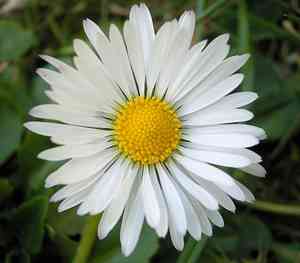
Yellow spiny daisy (Xanthisma spinulosum)
Also known as: Bristly Goldenaster, Spiny Goldenweed
The **Hairy False Goldenaster** (Heterotheca villosa) is a wildflower known for its adaptability to varied environments, particularly thriving in dry prairies. This perennial can easily be confused with the Goldenaster but stands out due to its bristly bracts and divided leaves. Despite its wide habitat range, it faces rarity in some native regions due to habitat loss.
In This Article
Attributes of Yellow spiny daisy
Lifespan
Perennial
Plant Type
Herb, Shrub
Plant Height
10 cm to 51 cm
Spread
Approximately 0.5 meters
Leaf Color
Green Blue
Flower Size
1.3 cm
Flower Color
Yellow
Images of Yellow spiny daisy
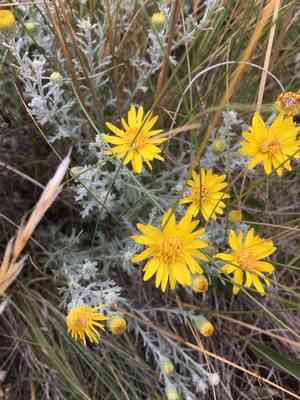
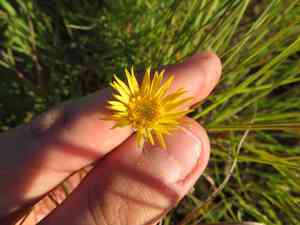
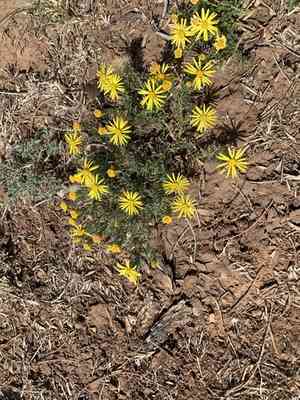
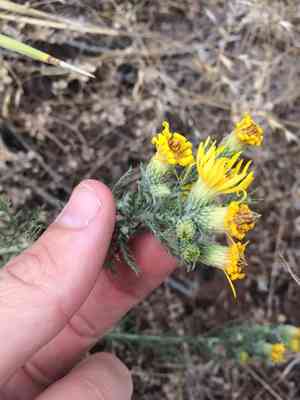
Quickly Identify Yellow spiny daisy
1
Xanthisma spinulosum can be identified by its spiny leaves, yellow daisy-like flowers, and bristly stems. The flower heads typically have a diameter of about 1-2 inches and are composed of bright yellow ray and disc florets.
Scientific Classification of Yellow spiny daisy
Phylum
Vascular plants
Class
Dicotyledons
Order
Asterales
Family
Daisy
Genus
Sleepy-daisy
Species
Yellow spiny daisy
Planting and Growing of Yellow spiny daisy
Care Difficulty
Easy
Watering Schedule
Every 2 days
Sunlight Requirements
Full sun
Sunshine Duration
6-12 hours
Ideal Temperature
65-75℉
Soil Type
Potting Mix, Peat Mix
Soil pH
6.5-7.5
Fertilizer Type
Balanced
Pruning Season
Spring, Summer
Pruning Area
Branches, Leaves
Pruning Frequency
2 times a year
Repotting Season
Spring
Pot Type
Plastic, Ceramic
 How to Water Yellow spiny daisy?
For Xanthisma spinulosum, it's crucial to follow a balance; water about 300 ml each time until the soil is moist but not waterlogged. Well-drained soil ensures that the roots receive adequate moisture without being submerged in water, maintaining the health of the plant.
What are the symptoms of an underwatered Yellow spiny daisy?
›
What should I do if my Yellow spiny daisy is not getting enough water?
›
What are the symptoms of an overwatered Yellow spiny daisy?
›
How to save an overwatered Yellow spiny daisy?
›
 What Are the Sunlight Requirements for Yellow spiny daisy?
Xanthisma spinulosum performs best with full sun exposure, receiving 6 to 8 hours of sunlight daily. This exposure encourages robust growth, vibrant blooms, and efficient photosynthesis, significantly benefiting the plant's overall vitality.
How much sunlight is ideal for Xanthisma spinulosum?
›
What solutions are available to ensure proper light exposure?
›
What benefits does ideal light exposure provide?
›
 What Is the Ideal Temperature Range for Yellow spiny daisy?
Xanthisma spinulosum thrives best when grown in a temperature range of 65 to 75 degrees Fahrenheit. Within this range, the plant can perform its photosynthetic activities efficiently, ensuring robust growth and healthy flowering. Temperatures within this band optimize enzyme activities and metabolic processes essential for the plant's health.
 What Soil is Best for Yellow spiny daisy?
Xanthisma spinulosum thrives in well-drained soils as it helps prevent root rot, ensuring healthy growth and vibrant blooms. Good drainage facilitates air circulation to the roots, preventing stagnation and ensuring nutrient uptake remains optimal. This plant does not require nutrient-rich soil, but moderate fertility is essential for sustained growth. Soils that provide a balance of essential nutrients promote strong stems and abundant flowering, making routine feeding unnecessary. Excessive organic matter can retain too much moisture, so soils with low organic content complement the plant's adaptability to arid conditions, providing an environment that's not too moisture-retentive.
 How to Fertilize Yellow spiny daisy?
For Xanthisma spinulosum, a modest approach works best. Liquid fertilizers should be diluted to half the recommended strength, applying approximately 1 cup per plant per feeding. Slow-release granules should be spread with about 1 tablespoon per square foot in the root zone. Always remember less is more; this plant can thrive with minimal feeding.
 How to Prune Yellow spiny daisy?
Start by carefully examining your plant. Look for any dead, damaged, or diseased stems. These are the first to be removed to promote better air circulation and health for the rest of the plant. When trimming stems, make your cuts just above a healthy node, where leaves and flowers sprout. This encourages new growth to emerge vigorously from that point. As you prune, shape the plant to maintain an even, bushy appearance. This not only enhances its visual appeal but also ensures that sunlight reaches all parts of the plant equally.
More About Pruning Techniques→
 How to Propagate Yellow spiny daisy plant?
1
Begin by filling seed trays with a well-draining potting mix. Gently press the seeds into the soil and cover lightly. Water the seeds carefully to avoid dislodging them, and place the trays in a warm, sunny location to encourage germination.
2
Select healthy stems and cut them just below a node using sharp pruners. Remove any lower leaves to reduce water loss. Dip the cut end in rooting hormone to enhance root development before planting them in a suitable medium.
3
During division, carefully dig up the plant and gently separate the root ball. Ensure each division has roots attached. Replant the divisions in prepared soil, ensuring they are adequately spaced for growth.
 How to Repot Yellow spiny daisy plant?
1
The ideal time to repot Xanthisma spinulosum is early spring or late summer when growth is active. Signs that the plant needs repotting include stunted growth, roots growing out of drainage holes, and compacted soil that resists watering.
2
Choose a pot that is slightly larger than the current one, ideally one to two inches wider in diameter. A pot that's too big can lead to overwatering, while a pot too small might restrict root growth. Opt for pots with drainage holes to prevent water logging.
3
Opt for a well-draining soil mix, which can be a combination of equal parts potting soil, perlite, and coarse sand. This mix provides excellent drainage, preventing root rot while allowing roots to receive necessary nutrients and oxygen.



