The Firecracker plant Plant Advantage: Maximizing Home and Office Appeal and Wellness
1
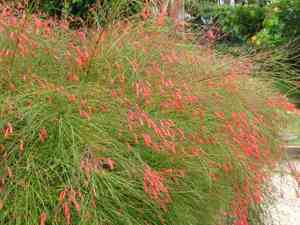
The Firecracker plant draws in beneficial insects such as hummingbirds and butterflies.
2
This species is well-known for its ability to withstand dry conditions.
3
Firecracker plants can bring vivid hues and aesthetic appeal to outdoor spaces.
Why Select Firecracker Plant for Your Garden?
Draws in Pollinators
A key attractive feature of the Firecracker plant is its capacity to entice pollinators. Its vivid red tubular blossoms are highly appealing to hummingbirds and butterflies, making it an excellent choice for fostering a vibrant and active garden setting. These creatures not only add charm to your garden but also aid in plant pollination, benefiting the ecosystem.
Effortless Upkeep
The Firecracker plant is remarkably simple to care for, requiring minimal attention once established. Its robust nature allows it to flourish in diverse soil types and endure dry spells, reducing the need for constant watering. This makes it perfect for both new gardeners and those aiming to conserve water in their garden without sacrificing beauty.
Drought Tolerance
Water conservation is a significant concern, especially in arid regions or during dry periods. The Firecracker plant exhibits high drought resistance, making it a sustainable choice for your garden. Its ability to thrive with limited water ensures your garden retains its vibrancy and appeal even under challenging conditions.
The Aesthetic Appeal of Firecracker Plant
Vibrant Visuals
The Firecracker plant offers stunning visual appeal with its cascading branches adorned with vivid red flowers. This striking characteristic makes it an excellent option for introducing color and dynamic visual interest to your garden spaces. Its unique form can serve as a focal point or complement other garden elements.
Landscaping Versatility
Thanks to its distinctive growth habit, the Firecracker plant can be incorporated into various landscaping designs. Whether you aim to create a lush hanging basket, a colorful border, or an elegant ground cover, this plant adapts well, enhancing your garden's overall aesthetic. It can also be trained as a climber, offering even greater design flexibility.
Seasonal Color Contribution
Beyond its year-round hardiness, the Firecracker plant provides seasonal color, blooming continuously from late spring through fall. This extended flowering period ensures your garden remains colorful and lively for a substantial part of the year, offering changing seasonal beauty without the need for replanting.
Caring for Firecracker Plant
Optimal Growing Conditions
The Firecracker plant thrives best in warm climates, typically USDA zones 9-11. It prefers full sun to partial shade and well-drained soil to prevent waterlogging, which can harm its roots. Ensuring these conditions helps the plant reach its full growth potential, providing the best aesthetic and environmental benefits.
Pruning and Maintenance
While the Firecracker plant is low-maintenance, regular pruning can stimulate new growth and maintain a neat appearance. Trim back any dead or overgrown branches to promote a healthier plant structure. This simple routine keeps the plant looking its best and prevents it from becoming unruly.
Pest and Disease Management
The Firecracker plant is relatively pest-resistant, which is a benefit for gardeners seeking easy cultivation. However, it's still wise to check for common garden pests like aphids or spider mites. Natural remedies, such as neem oil or insecticidal soap, can be effective if issues arise, ensuring the plant remains healthy and thriving.
Environmental Advantages of Firecracker Plant
Erosion Control
Due to its dense and spreading growth habit, the Firecracker plant can be highly effective in preventing soil erosion. When planted on slopes or areas prone to soil displacement, its extensive root system helps anchor the soil, reducing erosion risk and preserving the landscape's integrity.
Supports Biodiversity
By attracting a variety of pollinators, the Firecracker plant helps sustain local biodiversity. These visitors contribute to the pollination of various plants within your garden and surrounding areas, fostering a healthier and more diverse ecosystem. This, in turn, can improve your garden's overall health and productivity.



