The Turkey oak Plant Advantage: Maximizing Home and Office Appeal and Wellness
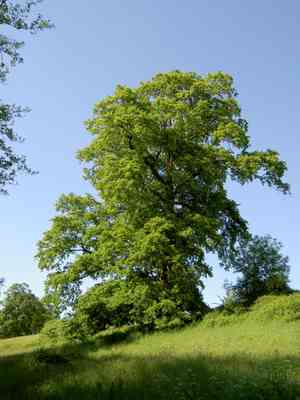
1
Recognized for its robustness and durability, Turkey oak finds extensive application in building and furniture production.
2
Turkey oak contributes to local ecosystems by offering shelter and sustenance to wildlife.
3
Its nuts serve as a food supply for diverse creatures, fostering ecological variety.
What Are the Practical Uses of Turkey oak?
Durable Construction Material
A key attribute of Turkey oak is its resilience, making it an optimal selection for building endeavors. The timber is not only sturdy but also resistant to various environmental factors, ensuring that structures constructed with Turkey oak endure for many years. Its strength makes it perfect for beams, flooring, and exterior cladding, offering both visual appeal and structural integrity.
High-Quality Furniture
Another significant application of Turkey oak is in the production of premium furniture. The wood's inherent grain and appealing coloration add a touch of sophistication to any item. Furniture crafted from Turkey oak is renowned for its longevity, often passed down through generations due to its enduring beauty and robustness. Whether it's a dining table, a bookshelf, or a wardrobe, this wood enhances the richness and durability of the piece.
How Does Turkey oak Benefit Local Ecosystems?
Habitat for Wildlife
Turkey oak plays a vital role in sustaining local ecosystems by providing a home for diverse wildlife. Its branches offer nesting sites for birds, while its foliage and trunk serve as dwellings for insects and small mammals. This plant significantly boosts the biodiversity in an area, fostering a balanced ecosystem.
Nutrient-Rich Food Source
The acorns produced by Turkey oak are a rich food source for many animals, including deer, squirrels, and birds. These acorns provide essential nutrients that sustain wildlife, especially during harsh winter months when other food sources may be scarce. By promoting a reliable food source, Turkey oak contributes to the well-being of various animal species.
What Are the Environmental Advantages of Turkey oak?
Carbon Sequestration
Turkey oak excels at absorbing carbon dioxide from the atmosphere, thereby helping to alleviate climate change. Trees of this species store carbon in their wood, leaves, and roots, reducing the overall concentration of greenhouse gases in the air. Planting more Turkey oak can be part of broader strategies to combat global warming.
Soil Stabilization
Turkey oak also assists in soil stabilization, preventing erosion and maintaining soil health. The extensive root system of this tree holds the soil together, reducing runoff and preserving valuable topsoil. This function is especially crucial in hilly or degraded areas where soil erosion poses a significant threat.
How Does Turkey oak Enhance Biodiversity?
Supporting Diverse Plant Life
The presence of Turkey oak can enhance the variety of plant life in its vicinity. The tree creates partial shade and a nutrient-rich environment under its canopy, allowing various understory plants to flourish. This interaction promotes a rich tapestry of flora that supports a range of wildlife.
Promoting Symbiotic Relationships
Turkey oak engages in symbiotic relationships with fungi and other microorganisms in the soil. These associations enhance nutrient uptake for the tree and improve soil fertility, which in turn benefits other plants in the area. Such relationships foster a healthy, dynamic ecosystem that supports a myriad of life forms.



