The Yoshino cherry Plant Advantage: Maximizing Home and Office Appeal and Wellness
1
The Yoshino cherry provides remarkable beauty through its fine, aromatic blossoms.
2
This species is recognized for drawing in beneficial insects like bees and butterflies.
3
Yoshino cherry trees can improve your garden's look and elevate your spirits.
Why Plant Yoshino Cherry in Your Garden?
Boosts Visual Appeal
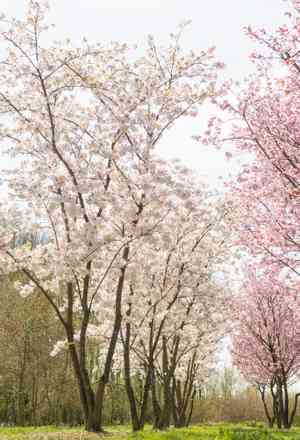
A primary advantage of Yoshino cherry is its remarkable visual charm. This plant is celebrated for its exquisite, fragrant spring blooms, which create a captivating display of white and pink tones. These flowers not only beautify your garden but also foster a calm and peaceful atmosphere. Many find the sight of these blossoms uplifting and stress-reducing, making Yoshino cherry an excellent addition to any outdoor space.
Attracts Beneficial Pollinators
Another key benefit of cultivating Yoshino cherry is its capacity to draw in helpful pollinators, such as bees and butterflies. These pollinators are vital for your garden's health as they aid in the pollination process, leading to the growth of fruits and vegetables. A garden bustling with pollinators is vibrant and productive. Yoshino cherry ensures your garden remains a lively hub of activity, promoting biodiversity and ecological balance.
How Does Yoshino Cherry Benefit the Environment?
Supports Soil Health
Yoshino cherry plays a crucial role in maintaining soil health. The plant's root system helps prevent soil erosion by stabilizing the soil structure. Furthermore, the fallen leaves and petals of Yoshino cherry decompose over time, enriching the soil with organic matter. This natural process boosts soil fertility, making it more suitable for other plants to grow. By planting Yoshino cherry, you contribute to a healthier, more sustainable garden ecosystem.
Enhances Air Quality
Plants are known to improve air quality, and Yoshino cherry is no exception. Through photosynthesis, Yoshino cherry absorbs carbon dioxide and releases oxygen, making the surrounding air fresher and cleaner. Moreover, the presence of this plant can help lower pollutant levels in the air, contributing to a healthier living environment. By incorporating Yoshino cherry into your garden, you not only enhance its beauty but also take a step towards a greener and cleaner world.
What Are the Social Advantages of Planting Yoshino Cherry?
Fosters Community Engagement
Gardening, especially with visually stunning plants like Yoshino cherry, can be an excellent way to connect with your community. Neighbors and passersby often pause to admire the beauty of these blooms, sparking conversations and interactions. This plant can become a focal point in your garden that unites people, cultivating a sense of community and shared appreciation for nature.
Improves Mental Well-Being
Spending time in a garden adorned with Yoshino cherry can offer significant mental health benefits. The tranquil setting created by its beautiful flowers and the act of gardening itself can lower stress levels, enhance mood, and provide a sense of accomplishment. Many find that caring for Yoshino cherry and watching it thrive can be a therapeutic experience, contributing to overall mental well-being.
How to Care for Your Yoshino Cherry Plant
Ideal Planting Conditions
To ensure your Yoshino cherry plant flourishes, it's essential to provide it with optimal planting conditions. This plant prefers well-draining soil and a location that receives full sun to partial shade. Proper watering is critical, especially during the initial growth stages. Regularly check soil moisture and water the plant to keep the soil consistently moist but not waterlogged.
Pruning and Upkeep
Pruning is a vital aspect of Yoshino cherry care, as it helps maintain the plant's shape and encourages robust growth. Prune your plant in late winter or early spring before new growth begins. Remove any dead or diseased branches to promote better air circulation and light penetration. Additionally, fertilize the plant annually with a balanced fertilizer to support its nutritional needs.



