The Hinckley's polemonium Plant Advantage: Maximizing Home and Office Appeal and Wellness
1
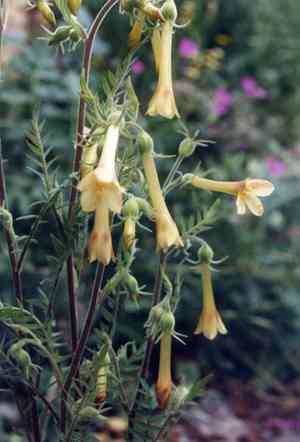
Hinckley's Jacob's Ladder draws in beneficial insects, boosting your garden's variety of life.
2
This species flourishes in soil that drains well and receives moderate to ample sun exposure.
3
Its leaves create an attractive ground layer, contributing aesthetic appeal to your outdoor space.
What Are the Main Advantages of Cultivating Hinckley's polemonium?
Luring Pollinators
Hinckley's polemonium is well-known for drawing in various pollinators, including bees and butterflies. Its vibrant blossoms offer nectar, serving as a food source for these beneficial insects. By incorporating Hinckley's polemonium into your garden, you support pollinator populations vital for the fertilization of numerous other plants.
Improving Soil Quality
The extensive root system of Hinckley's polemonium aids in aerating the soil, enhancing its structure and overall health. This can lead to better water penetration and root development for nearby plants. Furthermore, the organic matter produced by the plant can enrich the soil as it breaks down, adding crucial nutrients that benefit other garden inhabitants.
Preventing Erosion
A frequently overlooked advantage of Hinckley's polemonium is its capacity to prevent soil erosion. The plant's widespread root system helps to bind the soil together, reducing the risk of soil loss in sloped areas of your garden. This can be particularly useful in safeguarding topsoil during heavy rainfall.
How to Grow Hinckley's polemonium in Your Garden?
Optimal Growing Conditions
To successfully grow Hinckley's polemonium, it's crucial to provide the necessary conditions for its flourishing. This plant prefers soil that drains well and can tolerate various soil types, from sandy to loamy. Placing Hinckley's polemonium in a location where it receives partial to full sunlight will ensure vigorous growth and abundant blooms.
Planting Methods
When planting Hinckley's polemonium, proper spacing is essential. Each plant should be positioned approximately 12-18 inches apart to allow for sufficient air circulation and to prevent overcrowding. Dig a hole that is twice as wide as the container but no deeper, to ensure the roots have ample room to spread. After planting, water thoroughly to help settle the soil around the roots.
What Are the Care Requirements for Hinckley's polemonium?
Irrigation
Hinckley's polemonium needs moderate watering, especially during dry periods. It's vital to maintain a balance, ensuring the soil remains moist but not waterlogged. Applying mulch around the plant's base can help retain soil moisture and regulate temperature.
Trimming and Fertilizing
Pruning is generally not required for Hinckley's polemonium, but you can remove dead or damaged foliage to maintain a neat appearance. During the active growth season, a balanced fertilizer can be applied sparingly to support healthy development. Be careful not to over-fertilize, as this can result in excessive foliage at the expense of flowers.
What Pests and Diseases Can Affect Hinckley's polemonium?
Common Insect Pests
Hinckley's polemonium is relatively resistant to pests but may occasionally attract aphids and spider mites. Regular inspection of the plant and applying natural insecticidal soap when needed can help control these pests.
Disease Control
Diseases such as powdery mildew and root rot can impact Hinckley's polemonium if grown in unsuitable conditions. Ensuring good air circulation and proper watering practices can prevent these issues. If a disease is detected, removing affected parts and treating with appropriate fungicides can alleviate the problem.



