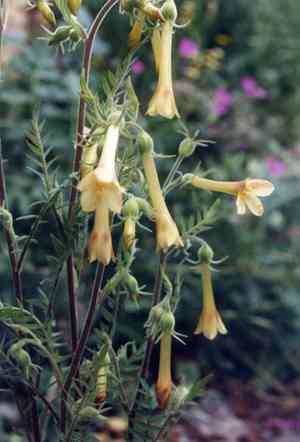
Hinckley's polemonium (Polemonium pauciflorum)
Also known as: Few-flowered jacob's ladder
Gilia tenuiflora, commonly known as the slender gilia, is a rare species of flowering plant in the phlox family that is native to both the United States and Mexico.
In This Article
Attributes of Hinckley's polemonium
Lifespan
Perennial
Plant Type
Herb
Plant Height
60 cm
Spread
40 cm
Leaf Color
Green
Flower Size
1-2 cm (0.4-0.8 inches)
Flower Color
Blue to violet
Images of Hinckley's polemonium
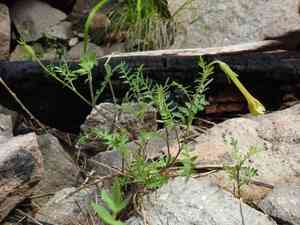
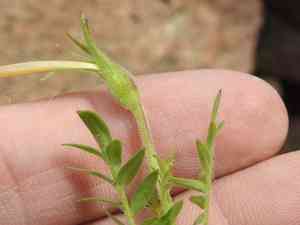
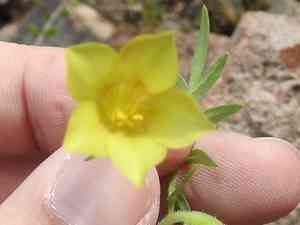
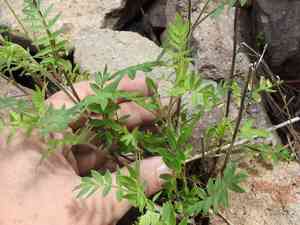
Quickly Identify Hinckley's polemonium
1
Polemonium pauciflorum can be identified by its pinnately compound leaves, small blue to violet tubular flowers, and typically sparse inflorescences. The plant\'s stem is often weak and may require support.
Scientific Classification of Hinckley's polemonium
Phylum
Vascular plants
Class
Dicotyledons
Order
Ericales
Family
Phlox
Genus
Jacob's ladders
Species
Hinckley's polemonium
Planting and Growing of Hinckley's polemonium
Care Difficulty
Moderate
Watering Schedule
Every 4 days
Sunlight Requirements
Partial sun
Sunshine Duration
4-8 hours
Ideal Temperature
60-75℉
Soil Type
Potting Mix, Peat Mix
Soil pH
6-7.5
Fertilizer Type
Balanced
Pruning Season
Spring, Summer
Pruning Area
Branches, Leaves
Pruning Frequency
2 times a year
Repotting Season
Spring
Pot Type
Plastic, Ceramic
 How to Water Hinckley's polemonium?
For Polemonium pauciflorum, watering should be consistent but not excessive. Each watering session should deliver about 250 ml of water, ensuring the soil is moist but not waterlogged. This amount supports its growth without risking root rot by allowing the soil to dry slightly in between waterings.
What are the symptoms of an underwatered Hinckley's polemonium?
›
What should I do if my Hinckley's polemonium is not getting enough water?
›
What are the symptoms of an overwatered Hinckley's polemonium?
›
How to save an overwatered Hinckley's polemonium?
›
 What Are the Sunlight Requirements for Hinckley's polemonium?
Partial sun exposure, with up to 6 hours of gentle light, ensures steady growth and vibrant foliage. Proper light conditions are crucial for healthy flowering and overall plant vitality.
Optimal Sun Exposure
›
Achieving Ideal Light
›
Benefits of Ideal Light
›
 What Is the Ideal Temperature Range for Hinckley's polemonium?
The ideal temperature range for growing Polemonium pauciflorum is between 60°F and 75°F. This range allows the plant to thrive, promoting optimal growth and flowering. Temperatures within this range provide the stability needed for strong root development and healthy foliage, ensuring that the plant can sustain itself and reproduce effectively.
 What Soil is Best for Hinckley's polemonium?
Polemonium pauciflorum thrives in well-drained soil, which helps prevent root rot and ensures that the roots can access necessary nutrients and oxygen. This property is vital for maintaining healthy plant growth and robust flowering. This plant benefits from soil with moderate moisture levels. Consistent moisture protects the plant from dehydration and nutrient deficiencies but avoids the issues associated with waterlogged conditions. Nutrient-rich soil supports the vigorous growth of Polemonium pauciflorum by providing essential minerals and nutrients. This boosts overall plant vitality and resilience against environmental stresses.
 How to Fertilize Hinckley's polemonium?
For Polemonium pauciflorum, use a balanced water-soluble fertilizer diluted to half-strength. Apply approximately 1 tablespoon of this solution per gallon of water. Ensure the soil is evenly moist but not waterlogged before fertilizing.
 How to Prune Hinckley's polemonium?
Start by identifying and removing dead or diseased stems from the Polemonium pauciflorum. Carefully trace from the stem base, checking for discoloration or wilting, and trim these back to the healthy wood. Trim the stems selectively to maintain an even shape, ensuring that you reduce any overlong stems that disturb the uniformity. Trim just above a leaf node to promote bushier growth and make cuts at a 45-degree angle for optimal healing. Remove spent blooms by deadheading them, which will encourage more flowering. Cut back the flower stems to the first set of leaves below the flower cluster, ensuring the energy is directed towards the plant's vegetative growth.
 How to Propagate Hinckley's polemonium plant?
1
Begin by filling seed trays with a well-draining potting mix. Evenly distribute the seeds on the surface and cover them lightly with soil. Water gently to keep the soil moist but not waterlogged.
2
Once seedlings have developed a set of true leaves, transplant them into individual pots or prepared garden beds. Ensure spacing allows for growth without competition for resources.
3
Carefully dig up established clumps in the spring. Use a garden fork to separate the roots into smaller sections, ensuring each section has adequate roots and foliage. Replant immediately.
 How to Repot Hinckley's polemonium plant?
1
Repot Polemonium pauciflorum when you notice that the growth has slowed, roots start coming out of the drainage holes, or the plant appears top-heavy. The timing is crucial as doing it in the growing season helps in minimizing stress on the plant.
2
Choose a pot that is 1-2 inches larger in diameter than the current pot, with drainage holes. The right size provides adequate space for root growth and ensures water drainage, preventing root rot and promoting healthier growth.
3
Opt for loamy soil that drains well and holds some moisture. Such soil provides the right balance, ensuring the roots neither dry out too quickly nor stay waterlogged, fostering a thriving environment for growth.
Learn More About Hinckley's polemonium Diseases
Anthracnose
Bacterial Leaf Spot
Bacterial Soft Rot
Bacterial Wilt
Black Spot
Chemical Injury
Crown Gall
Cyst Nematode
Damping-off
Downy Mildew
Drought Stress
Fusarium Wilt
Gray Mold
Leaf Curl
Leaf Spot
Mosaic
Nutrient Deficiency
Nutrient Toxicity
Powdery Mildew
Root Rot
Root-knot Nematode
Rusts
Sooty Mold
Spider Mites
Temperature Stress
Thrips Damage
White Mold



