The Dollarjoint pricklypear Plant Advantage: Maximizing Home and Office Appeal and Wellness
1
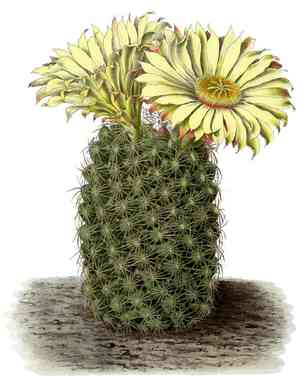
The Dollarjoint pricklypear is a plant that tolerates dry spells and flourishes in desert environments.
2
Its produce offers a rich supply of essential nutrients and minerals.
3
This plant is vital for sustaining the native animal population.
What Makes Dollarjoint pricklypear Special?
Adaptability to Harsh Climates
Dollarjoint pricklypear shows great resilience in dry and semi-dry environments, making it ideal for areas with limited water. Its capacity to store water in its fleshy pads allows it to endure prolonged droughts, ensuring its survival even in the toughest conditions. This characteristic is especially valuable for cultivation in regions affected by climate change and desertification.
Nutritional Benefits of Fruits
The fruits of Dollarjoint pricklypear are not only tasty but also packed with vital nutrients. They provide a rich source of vitamins like vitamin C, essential for immune system support, and minerals such as magnesium and potassium. These nutrients contribute to overall health, supporting bodily functions from cardiovascular well-being to muscle performance. Additionally, they are low in calories, making them a healthy snack choice.
Environmental Contributions
Soil Stabilization
Dollarjoint pricklypear possesses a strong root system that aids in stabilizing soil, which is particularly effective in preventing soil erosion. In areas prone to land degradation, planting Dollarjoint pricklypear can help maintain soil structure and foster a healthier ecosystem. This soil stabilization function is crucial for sustaining agricultural productivity and preserving natural landscapes.
Biodiversity Support
The plant offers essential resources for local wildlife, including sustenance and refuge. Its blossoms attract pollinating insects, while its pads and fruits serve as food for various animal species. This support of local biodiversity is vital for maintaining ecological balance and promoting a thriving ecosystem.
Cultural and Economic Significance
Traditional Uses
Historically, Dollarjoint pricklypear has been employed in diverse cultures for a range of purposes, from food to textile production. Its pads are commonly cooked and consumed in traditional dishes, while its fibers are used to create eco-friendly materials. These traditional applications highlight the versatility of Dollarjoint pricklypear and its importance across different communities.
Economic Opportunities
The cultivation of Dollarjoint pricklypear presents numerous economic prospects. From small-scale farming to large agricultural ventures, this plant can be grown for its fruits, pads, and other by-products. These can be sold in local and international markets, offering a sustainable income source for farmers. Furthermore, the increasing demand for natural and organic products enhances the market potential for Dollarjoint pricklypear-derived goods.
How to Grow Dollarjoint pricklypear Successfully?
Ideal Growing Conditions
Dollarjoint pricklypear thrives in well-drained soils and prefers ample sunlight. It is resistant to high temperatures and low water conditions, making it perfect for xeriscaping or sustainable gardening practices. Ensuring that the soil has good drainage properties will help prevent root rot and promote healthy plant growth.
Propagation Methods
Dollarjoint pricklypear can be propagated using seeds or cuttings. While seed propagation is slower, cuttings offer a quicker way to establish new plants. Select healthy pads, allow the cut surface to dry, and then plant them in a suitable growing medium. Providing sufficient sunlight and minimal water will encourage root development and successful propagation.
Challenges and Solutions
Pest Management
Like all plants, Dollarjoint pricklypear can be vulnerable to pests such as cochineal insects and cactus beetles. Regular inspection and employing natural pest control methods, such as introducing beneficial insects or using organic pesticides, can help manage these issues effectively.
Disease Prevention
Fungal infections can pose a threat to Dollarjoint pricklypear. Ensuring proper air circulation and avoiding overwatering are crucial steps in disease prevention. Pruning infected parts and using fungicides can also mitigate fungal outbreaks, ensuring the plant remains healthy and productive.



