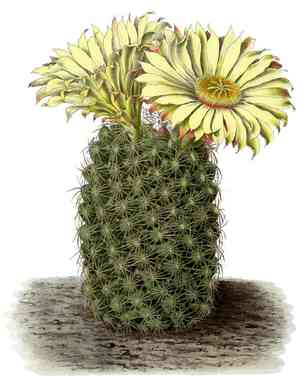
Dollarjoint pricklypear (Opuntia chlorotica)
Also known as: Clockface prickly-pear
One species of cactus native to the United States that fits your description is the Teddy Bear Cholla (Cylindropuntia bigelovii). This cactus is highly drought-tolerant, features sharp spines, and exhibits an upright, bushy growth pattern.
In This Article
Attributes of Dollarjoint pricklypear
Lifespan
Perennial
Plant Type
Succulent
Plant Height
20 m to 25 m
Spread
Up to 3 meters (10 feet)
Leaf Color
Green to bluish-gray
Flower Size
Approximately 5-7 cm (2-2.75 inches)
Flower Color
Yellow Green
Images of Dollarjoint pricklypear
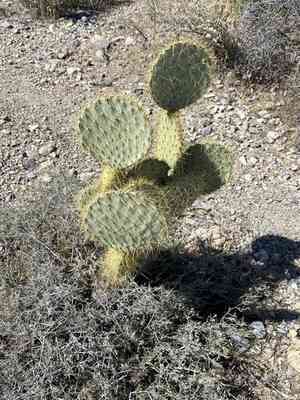
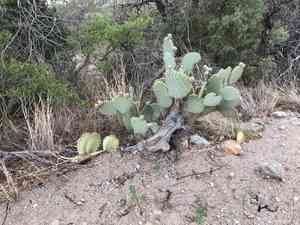
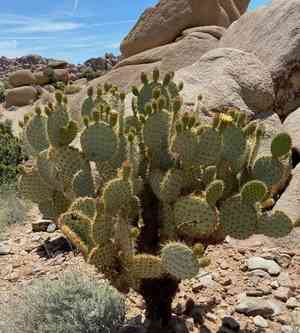
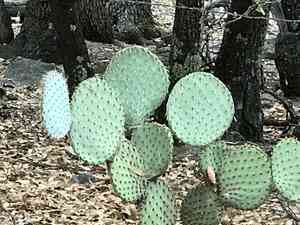
Quickly Identify Dollarjoint pricklypear
1
Look for flat, circular pads that are often covered in small spines (glochids). The pads can range in color from green to bluish-gray. Bright yellow flowers bloom in spring and are followed by red, edible fruits. The plant can be identified by its pancake-like pads.
Scientific Classification of Dollarjoint pricklypear
Phylum
Vascular plants
Class
Dicotyledons
Order
Caryophyllales
Family
Cactuses
Genus
Prickly pear
Species
Dollarjoint pricklypear
Planting and Growing of Dollarjoint pricklypear
Care Difficulty
Easy
Watering Schedule
Every 2 days
Sunlight Requirements
Full sun
Sunshine Duration
6-10 hours
Ideal Temperature
70-100℉
Soil Type
Potting Mix, Peat Mix
Soil pH
6.5-7.5
Fertilizer Type
Balanced
Pruning Season
Spring, Summer
Pruning Area
Branches, Leaves
Pruning Frequency
2 times a year
Repotting Season
Spring
Pot Type
Plastic, Terracotta
 How to Water Dollarjoint pricklypear?
When watering Opuntia chlorotica, aim to thoroughly moisten the soil without saturating it completely. The ideal amount is around 150 ml, ensuring that the water reaches the roots but avoids pooling around them. This balance keeps the plant hydrated while preventing root rot.
What are the symptoms of an underwatered Dollarjoint pricklypear?
›
What should I do if my Dollarjoint pricklypear is not getting enough water?
›
What are the symptoms of an overwatered Dollarjoint pricklypear?
›
How to save an overwatered Dollarjoint pricklypear?
›
 What Are the Sunlight Requirements for Dollarjoint pricklypear?
Opuntia chlorotica flourishes under full sun conditions, benefiting from 6 or more hours of direct sunlight daily. Ideal lighting boosts vitality, encouraging robust growth and vivid coloring.
More About Sunlight Requirements Techniques→
How much sun does it need?
›
What are the solutions?
›
What are the benefits?
›
 What Is the Ideal Temperature Range for Dollarjoint pricklypear?
The ideal temperature range for Opuntia chlorotica reflects its natural habitat in arid and semi-arid regions. Temperatures between 70°F and 100°F allow this cactus to photosynthesize efficiently and maintain metabolic processes. These temperatures mimic the warm and sunny conditions it thrives in, ensuring optimal growth and development.
 What Soil is Best for Dollarjoint pricklypear?
Opuntia chlorotica thrives in well-drained soil, as it prevents water accumulation around the roots, reducing the risk of root rot. This soil type mimics its native arid conditions, providing optimum growth and conserved moisture. This cactus species is adapted to nutrient-poor soils. Excessive nutrients can lead to unwanted, fast growth, making the plant less resilient. Minimal fertilization ensures steady growth and structural integrity. Soils with high lime content, like calcareous soils, suit Opuntia chlorotica perfectly. The alkaline nature promotes key mineral availability, ensuring the cactus maintains its vibrant green appearance.
 How to Fertilize Dollarjoint pricklypear?
For Opuntia chlorotica, the fertilization amount should be carefully measured, typically using a balanced 10-10-10 liquid fertilizer diluted to half strength. Apply about 250 ml per application for each plant, ensuring even distribution around the root zone.
 How to Prune Dollarjoint pricklypear?
Start by using clean, sharp tools to make precise cuts. Focus on removing any dead or damaged pads of the Opuntia chlorotica as early in the spring as possible. Look for pads that have been affected by frost or pests. Make sure to cut close to the branch without harming any main stems. Always wear gloves when handling the cactus to protect yourself from the painful spines. Pruning not only maintains shape but also encourages new growth and blooms. When pruning, consider cutting just above joints since this is where new growth will likely appear. Be conservative with pruning to prevent unnecessary stress on the plant, allowing it to reinforce its typical compact structure while blooming more vibrantly during its growth period.
 How to Propagate Dollarjoint pricklypear plant?
1
To propagate Opuntia chlorotica from seeds, start by collecting mature fruits, extracting the seeds, and cleaning them thoroughly. Allow them to dry for a few days before planting to enhance germination rates.
2
Use a sterile knife to cut a healthy pad from the parent plant. Let the cut end callous over for a week before planting in soil to prevent rot. Ensure the cut is smooth and free from damage.
3
Whether planting seeds or cuttings, use a cactus soil mix in pots. For seeds, bury them slightly below the surface. For cuttings, insert the calloused end into the soil and water sparingly.
 How to Repot Dollarjoint pricklypear plant?
1
Repot Opuntia chlorotica when growth seems to stagnate or roots begin to emerge from the drainage holes. These are clear indicators that your cactus requires more space and fresh nutrients, ideally at the start of the growing season in spring.
2
Opt for a pot that is slightly larger than the current one, with ample drainage holes at the bottom. This prevents waterlogging, which can cause root rot. A terracotta pot is ideal as it allows moisture to evaporate more efficiently.
3
Choose a well-draining cactus mix, often a blend of perlite, sand, and organic matter. This type of soil will mimic the natural desert environment of the cactus, providing an excellent balance of aeration and moisture control.
Learn More About Dollarjoint pricklypear Diseases
Anthracnose
Bacterial Leaf Spot
Bacterial Soft Rot
Chemical Injury
Crown Gall
Damping-off
Drought Stress
Fusarium Wilt
Gray Mold
Leaf Spot
Mosaic
Nutrient Deficiency
Nutrient Toxicity
Powdery Mildew
Root Rot
Root-knot Nematode
Rusts
Sooty Mold
Spider Mites
Temperature Stress
Thrips Damage
White Mold



