The Lake quillwort Plant Advantage: Maximizing Home and Office Appeal and Wellness
1
Lake quillwort aids in stabilizing water ecosystems and preventing soil loss.
2
This flora is crucial for preserving the purity of water in lakes and pools.
3
It provides a home and sustenance for diverse aquatic organisms.
What Makes Lake quillwort Distinctive?
Physical Traits and Development
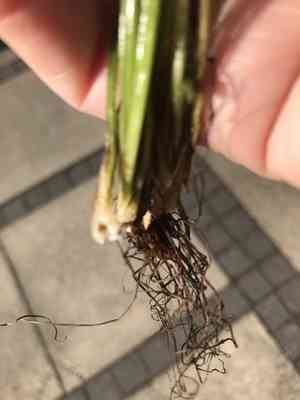
Lake quillwort is a captivating aquatic plant recognized for its unique, grass-like appearance. Primarily found in lakes and ponds, it exhibits a compact, clustered form with leaves that can extend several centimeters. This plant typically grows submerged, with only the leaf tips occasionally visible above the water. Its robust structure enables it to flourish in diverse underwater settings, making it a versatile element of aquatic ecosystems.
Natural Environment and Range
Lake quillwort is present in freshwater lakes, ponds, and slow-moving rivers mainly across Europe and North America. The plant prefers clean, uncontaminated waters with a sandy or gravelly bottom. Its presence often signals a healthy aquatic environment, as it requires clear water for efficient photosynthesis. The broad distribution of Lake quillwort underscores its adaptability and vital role in various aquatic habitats.
How Does Lake quillwort Benefit Aquatic Environments?
Erosion Prevention
A significant advantage of Lake quillwort is its capacity to prevent erosion within aquatic settings. By stabilizing sediment with its root system, Lake quillwort helps avert the displacement of soil and debris, which can lead to cloudy water and habitat degradation. This stabilization is crucial for maintaining water clarity and quality, benefiting other aquatic life.
Water Quality Enhancement
Lake quillwort plays a key role in improving water quality by acting as a natural filter. Its roots and leaves can capture and settle particulate matter, reducing turbidity and making the water cleaner for other plants and animals. Furthermore, Lake quillwort can absorb nutrients and pollutants, such as nitrogen and phosphorus, from the water, thereby preventing the excessive growth of harmful algal blooms that can deplete oxygen levels and harm aquatic life.
Why Is Lake quillwort Important for Aquatic Wildlife?
Habitat Provision
Lake quillwort serves as an essential habitat for various aquatic species. Its dense clusters of leaves offer shelter and breeding grounds for invertebrates, fish, and amphibians. Young fish and macroinvertebrates often seek refuge in the vegetation of Lake quillwort, safe from predators. This plant cover enhances the biodiversity of the ecosystem and supports a wide array of fauna.
Food Source
Beyond providing shelter, Lake quillwort is also a critical food source for many aquatic organisms. Snails, larvae, and certain fish species feed on its leaves and detritus. The plant's presence ensures a continuous supply of organic material, contributing to food web dynamics and supporting a balanced aquatic ecosystem.
Can Lake quillwort Be Used in Aquatic Restoration Initiatives?
Role in Ecological Restoration
Given its beneficial attributes, Lake quillwort is frequently employed in ecological restoration projects aimed at improving and stabilizing aquatic environments. Its ability to enhance water quality and provide habitat makes it an excellent choice for projects focused on restoring lakes and ponds. Lake quillwort can be strategically planted in areas where erosion control and water filtration are most needed.
Challenges and Considerations
While Lake quillwort offers numerous advantages, incorporating it into restoration projects demands careful planning and assessment. Factors such as water clarity, substrate type, and existing aquatic flora and fauna must be evaluated to ensure the successful establishment of Lake quillwort. Additionally, continuous monitoring is vital to track the plant's impact and effectiveness in achieving restoration objectives.



