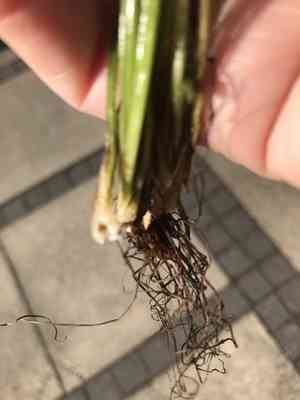
Lake quillwort (Isoetes lacustris)
Also known as: Quillwort
Java moss, known scientifically as Taxiphyllum barbieri, is an aquatic plant native to Southeast Asia. It naturally inhabits clear lakes and can often go unnoticed. This species is popular in the aquarium trade for its ease of cultivation and low-maintenance requirements.
In This Article
Attributes of Lake quillwort
Lifespan
Perennial
Plant Type
Grass
Plant Height
15 cm
Spread
Varies, typically forms dense clusters
Leaf Color
Green
Flower Size
N/A (It does not produce typical flowers)
Flower Color
N/A
Images of Lake quillwort
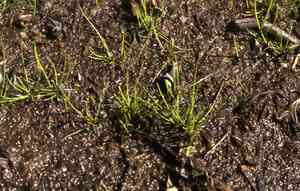
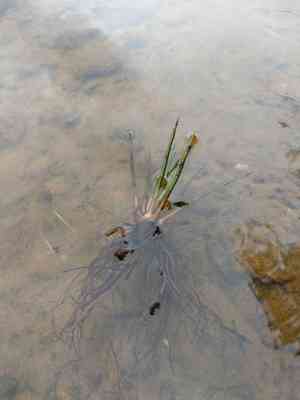
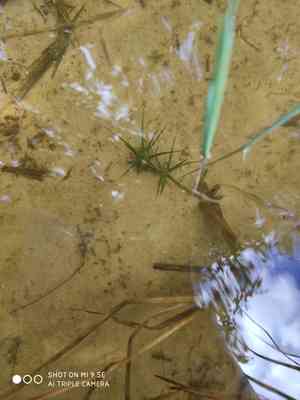
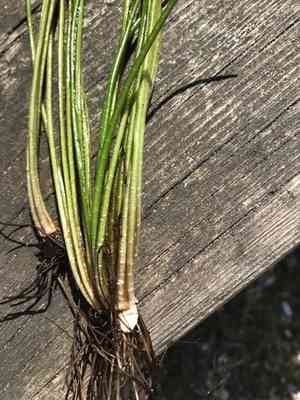
Quickly Identify Lake quillwort
1
Identify Isoetes lacustris by observing its rosette of quill-like leaves that are hollow and lack a central vein. It grows submerged in water with the leaves emerging from a short, corm-like stem.
Scientific Classification of Lake quillwort
Phylum
Vascular plants
Class
Club mosses
Order
Isoetales
Family
Quillwort
Genus
quillworts
Species
Lake quillwort
Planting and Growing of Lake quillwort
Care Difficulty
Hard
Watering Schedule
Every 3 days
Sunlight Requirements
Full shade
Sunshine Duration
4-8 hours
Ideal Temperature
60-70℉
Soil Type
Potting Mix, Peat Mix
Soil pH
6.5-7.5
Fertilizer Type
Balanced
Pruning Season
Spring, Summer
Pruning Area
Branches, Leaves
Pruning Frequency
Once a year
Repotting Season
Spring
Pot Type
Ceramic, Plastic
 How to Water Lake quillwort?
Isoetes lacustris, commonly known as lake quillwort, prefers consistent moisture. Each watering session should aim for about 150 ml, ensuring the potting medium is thoroughly moist but not soggy. This aquatic plant thrives in environments where its roots can uptake ample moisture from the surroundings. Avoid leaving it in standing water for extended periods, as this can cause root rot.
What are the symptoms of an underwatered Lake quillwort?
›
What should I do if my Lake quillwort is not getting enough water?
›
What are the symptoms of an overwatered Lake quillwort?
›
How to save an overwatered Lake quillwort?
›
 What Are the Sunlight Requirements for Lake quillwort?
Isoetes lacustris flourishes in partial sunlight conditions - 2 to 6 hours. This balance promotes vigorous photosynthesis and enhances its lush, green appearance.
Why is light important for Isoetes lacustris?
›
How can you ensure Isoetes lacustris gets ideal lighting?
›
What benefits does Isoetes lacustris gain from ideal lighting?
›
 What Is the Ideal Temperature Range for Lake quillwort?
Isoetes lacustris thrives in temperate climates where temperatures maintain a stable and moderate range. The ideal temperature range is between 60°F and 70°F. These temperatures support optimal physiological functions such as growth, photosynthesis, and nutrient uptake. Maintaining temperature within this range minimizes stress and maximizes health and vitality in the plant.
 What Soil is Best for Lake quillwort?
Isoetes lacustris requires a consistent level of moisture in the soil. This helps the plant grow optimally by providing a stable hydration source that mimics its natural habitat. This plant thrives in nutrient-poor soils, as it is adapted to oligotrophic environments. Ensuring a lack of excess nutrients prevents competition from other plants. A preference for acidic soil helps Isoetes lacustris absorb necessary nutrients more efficiently since acidity aids in the solubility of essential ions needed for its growth.
 How to Fertilize Lake quillwort?
Isoetes lacustris, commonly known as lake quillwort, requires minimal fertilization. Use a very diluted liquid fertilizer, about one-quarter of the recommended strength for water plants, every other month. For solid fertilizers, a slow-release formula should suffice about three times a year to provide essential nutrients continuously without overwhelming the plant's delicate system.
 How to Prune Lake quillwort?
Carefully remove any dead or discolored leaves from the base of the plant. Use a pair of sharp scissors or pruning shears. Make sure to cut as close to the base as possible without damaging the healthy parts of the plant. Isoetes lacustris does not require frequent pruning. Avoid cutting too much of the plant at once, as this can lead to stress and potential health issues. Always prioritize removing only the oldest or damaged leaves. Before and after pruning, clean your tools with rubbing alcohol or a mild bleach solution. This precaution helps prevent the spread of diseases and ensures the plant remains healthy.
More About Pruning Techniques→
 How to Propagate Lake quillwort plant?
1
Fill a seed tray with a well-draining aquatic potting mix. Ensure the soil is level and moist before sowing the Isoetes lacustris seeds on the surface. The aquatic nature of the plant requires a specific type of soil to thrive.
2
Scatter the Isoetes lacustris seeds evenly over the prepared soil surface without covering them, as they need light for germination. This step is critical to prevent overcrowding and ensure healthy growth.
3
Cover the seed tray with a clear plastic lid to maintain humidity and place it in a warm area with indirect light. This microenvironment encourages steady germination while preventing excessive moisture loss.
 How to Repot Lake quillwort plant?
1
Isoetes lacustris signals it's time for repotting when it outgrows its current container, its roots start circling the pot, or the substrate becomes heavily compacted. Look for these signs especially in late Spring to ensure that the plant can establish well before the cooler seasons.
2
Selecting the right pot is crucial. A shallow, wide pot is ideal since it provides ample space for the Isoetes lacustris to spread its unique grass-like foliage and submerged roots. A wider pot helps in mimicking its natural habitat and ensures healthy growth.
3
The soil should be rich in organic matter and well-draining to replicate the conditions of a shallow lake bed. An aquatic plant soil mix is perfect as it holds moisture effectively while preventing waterlogging, crucial for the plant’s health.



