The Milky bellflower Plant Advantage: Maximizing Home and Office Appeal and Wellness
1
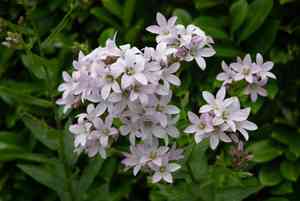
Milky bellflower is a adaptable perennial plant recognized for its eye-catching purple-blue blooms.
2
This plant is greatly appreciated for its decorative charm in outdoor spaces and gardens.
3
Milky bellflower has the ability to draw in pollinators, enhancing the environmental well-being of your garden.
What Makes Milky bellflower Unique?
Distinctive Features
Milky bellflower is notable for its tall stalks adorned with bell-shaped blossoms, typically appearing in shades of blue, lavender, and white. These abundant flowers introduce a burst of color to any garden, making it a favorite among gardeners and landscape designers.
Resilience and Versatility
A key attribute distinguishing Milky bellflower is its adaptability. It flourishes in diverse soil types and can endure various climatic conditions. This robust nature makes it an ideal selection for both new and experienced gardeners.
How Does Milky bellflower Improve Garden Beauty?
Visual Impact
Milky bellflower's lofty, graceful form and vibrant flowers create a striking display in any garden setting. The plant's upright growth habit adds height and depth to garden borders, beds, and containers.
Harmonious Pairings
Milky bellflower blends wonderfully with other garden plants. Its blooms complement a broad array of other flowers and foliage, making it a versatile addition to mixed plantings and garden designs.
Does Milky bellflower Benefit Local Ecosystems?
Attracting Pollinators
One of the ecological advantages of Milky bellflower is its capacity to draw in pollinators. Bees, butterflies, and other beneficial insects are drawn to its flowers, aiding in the fertilization of other garden plants and contributing to overall ecological well-being.
Wildlife Habitat
Milky bellflower also offers shelter and sustenance for various wildlife. Its dense foliage can provide cover for small creatures, while its seeds serve as a food source for certain bird species.
What are the Care Requirements for Milky bellflower?
Watering and Soil Needs
Milky bellflower is relatively easy to care for, needing only moderate watering and well-draining soil. While it can tolerate some dry spells, consistent watering will ensure optimal growth and vivid blooms.
Trimming and Deadheading
To maintain Milky bellflower's best appearance, occasional trimming and removal of spent flowers are advised. This will not only enhance its look but also encourage extended blooming throughout the growing season.
Can Milky bellflower Be Used in Landscaping?
Garden Borders and Edges
Milky bellflower is an excellent option for creating visually appealing garden borders and edges. Its towering flower spikes serve as a beautiful division between different sections of a garden.
Container Gardening
For those with limited space, Milky bellflower also thrives in containers. This allows urban gardeners and those with smaller yards to enjoy its beauty and benefits with minimal space requirements.
Are There Any Special Uses for Milky bellflower?
Cut Flower Arrangements
The exquisite blooms of Milky bellflower make it popular for use in cut flower arrangements. Its long-lasting flowers can bring a touch of elegance and color to indoor spaces.
Dried Flower Crafts
Beyond fresh arrangements, Milky bellflower flowers can be dried and utilized in various crafts and decorations. Their vibrant color and distinct shape make them perfect for creating wreaths, potpourri, and other decorative items.



