The Hairy bindweed Plant Advantage: Maximizing Home and Office Appeal and Wellness
1
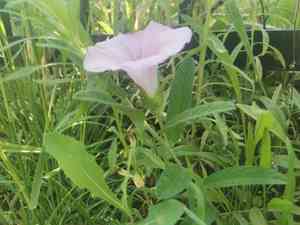
Hairy bindweed is recognized for its attractive, campanulate blooms that flourish in diverse settings.
2
This plant serves as an efficient ground cover, mitigating soil degradation.
3
It has historically been employed in different applications due to its potential advantages.
Key Advantages of Hairy Bindweed
Ground Cover and Soil Protection
Hairy bindweed excels as a ground cover. Its expansive growth habit aids in stabilizing soil and preventing erosion. This makes it an excellent option for gardeners aiming to safeguard their landscapes, especially in sloped or erosion-prone areas.
Aesthetic Appeal
The bell-shaped blooms of Hairy bindweed add charm to any garden. Its capacity to climb and spread can enhance the visual appeal of fences, trellises, and garden beds. The flowers not only attract human attention but also draw in various pollinators, fostering a healthier ecosystem.
Hairy Bindweed's Contribution to Biodiversity
Supporting Pollinators
Hairy bindweed plays a crucial role in supporting local biodiversity. Its flowers are particularly appealing to bees, butterflies, and other pollinators. This helps ensure the survival of these vital species, promoting a balanced and flourishing ecosystem.
Habitat for Wildlife
Beyond pollinators, Hairy bindweed offers shelter and habitat for various small animals and insects. Its dense foliage provides protection and a living space, contributing to an increase in local wildlife diversity.
Landscape Applications of Hairy Bindweed
Versatile Garden Design
Hairy bindweed can be used in various landscaping designs, from informal cottage gardens to structured contemporary layouts. Its adaptability makes it a favorite for gardeners seeking a low-maintenance yet attractive plant.
Cultivating and Caring for Hairy Bindweed
Ideal Growing Conditions
Hairy bindweed thrives best in well-drained soil with moderate moisture. It can flourish in full sun to partial shade, making it adaptable to diverse garden settings. Regular trimming will help manage its spread and maintain its shape.
Maintenance Tips
While relatively low-maintenance, Hairy bindweed benefits from occasional watering during dry spells and routine checks to prevent overcrowding. Applying organic mulch around its base can help retain soil moisture and keep the roots cool.
Integrating Hairy Bindweed in Sustainable Gardening Practices
Erosion Control
Due to its extensive root system, Hairy bindweed is excellent for preventing soil erosion. Planting it on slopes or banks can secure the soil, reducing runoff and promoting water absorption.
Companion Planting Benefits
Hairy bindweed can be paired with other plants to create beneficial growing conditions. For instance, it can act as a natural mulch, suppressing weeds and maintaining soil moisture levels. Its compatibility with various plants makes it a valuable addition to any garden.



