The Fringed brome Plant Advantage: Maximizing Home and Office Appeal and Wellness
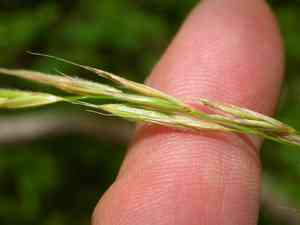
1
This plant is effective in stopping soil degradation.
2
It offers a renewable food source for farm animals.
3
This grass enhances ecological diversity by offering shelter to animals.
Why is Fringed brome Beneficial for Soil Quality?
Preventing Soil Erosion with Deep Root Systems
Fringed brome possesses deep and extensive root structures that are vital for securing soil. This minimizes the risk of soil loss, especially on sloped areas and regions prone to wind and water erosion. The roots bind soil particles, improving soil composition and preventing topsoil depletion.
Enhancing Soil Fertility
Another significant advantage of Fringed brome is its capacity to boost soil fertility. The grass introduces organic matter into the soil through its roots and decomposing plant material, thereby increasing nutrient availability. This natural process lessens the need for artificial fertilizers, fostering a more sustainable and environmentally friendly approach to land management.
How does Fringed brome Support Local Ecosystems?
Providing Habitat for Wildlife
Fringed brome offers a home for a diverse array of wildlife, including insects, birds, and small mammals. Its dense foliage and seed heads supply food and shelter, promoting biodiversity. By nurturing a variety of species, Fringed brome helps maintain a balanced and thriving ecosystem.
Supporting Pollinators
Fringed brome also aids pollinators such as bees and butterflies. These pollinators play a crucial role in the reproduction of many plant species, contributing to ecological balance and the health of surrounding plant communities. Planting Fringed brome can help increase the population of these beneficial insects, which are essential for pollination and overall ecosystem health.
What are the Advantages for Agriculture?
Sustainable Forage for Livestock
Fringed brome is an excellent feed option for livestock due to its high nutritional value and adaptability. It's particularly noted for its resilience to varying climate conditions, making it a reliable food source during dry periods. Integrating this grass into pastures promotes sustainable farming practices by providing consistent and nutritious feed for animals.
Reducing Dependence on Pesticides
Fringed brome exhibits natural resistance to many pests and diseases, lessening the need for chemical pesticides. This resistance helps lower the environmental and economic costs associated with pest control. Farmers who plant Fringed brome can enjoy the benefits of healthier crops and reduced pesticide use, contributing to a more sustainable agricultural system.
How does Fringed brome Contribute to Landscape and Aesthetic Value?
Beautifying Natural and Urban Spaces
Beyond its functional benefits, Fringed brome is also valued for its visual appeal. The tall, graceful seed heads and fine-textured foliage make it an attractive addition to both natural and urban landscapes. It's often used in restoration projects, parks, and gardens to create visually pleasing environments that are also ecologically beneficial.
Restoring Degraded Lands
Fringed brome is commonly utilized in ecological restoration efforts to rehabilitate damaged lands. Its hardiness and ability to thrive in challenging conditions make it ideal for restoring disturbed sites. Over time, Fringed brome helps rebuild soil structure, improve habitat quality, and enhance the overall resilience of restored ecosystems.



