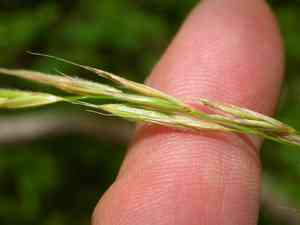
Fringed brome (Bromus ciliatus)
Also known as: Purple false-brome
Bromus ciliatus, also known as fringed brome, is a perennial grass that typically forms tufts and can reach heights up to 1.5 meters, sometimes taller in certain regions like the Great Plains. It does not produce rhizomes but has a robust root system. The leaf sheaths are generally smooth or may have tiny hairs and feature a narrow "V"-shaped opening. Notably, these sheaths are usually shorter than the internodes.
In This Article
Attributes of Fringed brome
Lifespan
Perennial
Plant Type
Grass
Plant Height
51 cm to 1.02 m
Spread
N/A
Leaf Color
Green
Flower Size
N/A
Flower Color
Greenish
Images of Fringed brome
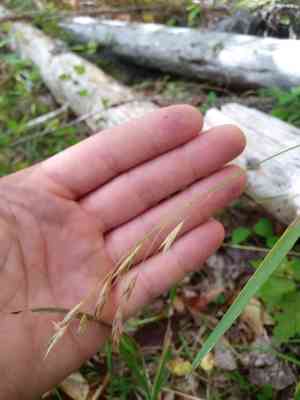
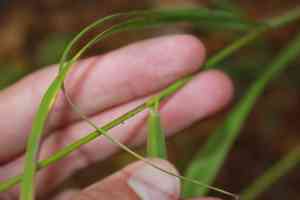
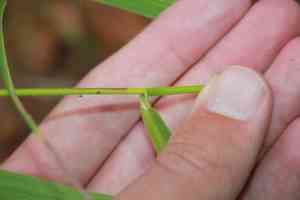
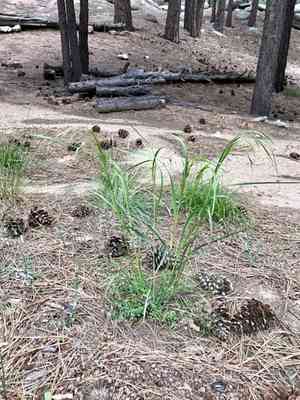
Quickly Identify Fringed brome
1
To identify Bromus ciliatus, look for its hairy leaf sheaths and fringed ligules. The plant\'s inflorescence is an open, nodding panicle with slender branches.
Scientific Classification of Fringed brome
Phylum
Vascular plants
Class
Monocotyledons
Order
Poales
Family
Grass
Genus
Bromes
Species
Fringed brome
Planting and Growing of Fringed brome
Care Difficulty
Easy
Watering Schedule
Every 3 days
Sunlight Requirements
Partial sun
Sunshine Duration
6-10 hours
Ideal Temperature
50-77℉
Soil Type
Potting Mix, Peat Mix
Soil pH
6.5-7.5
Fertilizer Type
Balanced
Pruning Season
Spring, Summer
Pruning Area
Branches, Leaves
Pruning Frequency
2 times a year
Repotting Season
Spring
Pot Type
Plastic, Ceramic
 How to Water Fringed brome?
The watering amount for Bromus ciliatus should aim to ensure the soil is evenly moist but not waterlogged. The soil should be damp to the touch but allow the top layer to dry slightly before the next watering. Use approximately 500 ml of water per session to adequately penetrate the root zone, keeping the plant hydrated while preventing root rot.
What are the symptoms of an underwatered Fringed brome?
›
What should I do if my Fringed brome is not getting enough water?
›
What are the symptoms of an overwatered Fringed brome?
›
How to save an overwatered Fringed brome?
›
 What Are the Sunlight Requirements for Fringed brome?
Partial sun exposure, which combines both light and shade, ensures that Bromus ciliatus stays healthy, prevents overheating, and supports complete photosynthesis processes.
What kind of light does Bromus ciliatus prefer?
›
How can you achieve ideal light conditions for Bromus ciliatus?
›
What benefits does Bromus ciliatus gain from ideal light exposure?
›
 What Is the Ideal Temperature Range for Fringed brome?
The ideal temperature range for Bromus ciliatus is between 50°F and 77°F. Within this range, the plant can thrive, showing optimal growth and development. The temperature provides a balanced environment, ensuring adequate metabolic activity and reducing stress on the plant.
 What Soil is Best for Fringed brome?
Bromus ciliatus thrives in soil that retains moisture without becoming waterlogged. Using loam or sandy loam helps the plant maintain adequate hydration, promoting healthy growth and robust foliage. Rich in essential nutrients, loam supports the optimal growth of Bromus ciliatus. This nutrient availability ensures the plant develops strong stems and a dense root system, crucial for overall vitality. The roots of Bromus ciliatus require ample aeration to prevent suffocation. Loam's loose particles provide this, enhancing gas exchange and root respiration, which drives effective nutrient uptake.
 How to Fertilize Fringed brome?
Bromus ciliatus benefits from a delicate balance in nutrient supply. It is advisable to use an all-purpose liquid fertilizer diluted to half strength. Use approximately 50 ml per plant to avoid overwhelming its roots while ensuring sufficient nourishment.
 How to Prune Fringed brome?
While pruning is beneficial, over-pruning can stress Bromus ciliatus. Always ensure that at least one-third of the plant remains intact. Removing too much foliage at once can impede photosynthesis and lead to poor plant health. Aim for balance and assess its form regularly. Pruning wounds can be entry points for diseases, so it's crucial to clean your tools before and after use. If the plant shows signs of disease or pest infestation, prune affected areas immediately to prevent spread but handle them carefully to avoid further damage.
More About Pruning Techniques→
 How to Propagate Fringed brome plant?
1
Fill seed trays with a good quality seed starting mix. Ensure the mixture is lightly moistened for optimal seed germination conditions.
2
Place Bromus ciliatus seeds on the surface of the soil in seed trays. Lightly cover with a thin layer of soil and mist gently to ensure adequate moisture.
3
Use a garden fork to gently lift the plant. Divide the root ball into sections, each with roots and shoots, ensuring each section is healthy and intact.
 How to Repot Fringed brome plant?
1
Look for signals like roots emerging from the drainage holes or slowed growth, indicating it's time to repot Bromus ciliatus. Repotting during spring or summer is ideal when the plant is actively growing, providing it enough time to adjust to its new home.
2
Select a pot that is slightly larger than the current one with good drainage. A 1 to 2-inch increase in diameter allows room to grow without drowning the roots. Ample drainage prevents root rot and ensures the plant thrives.
3
Opt for a well-draining loamy mix to ensure adequate aeration and moisture retention. This type of soil provides a stable environment, reduces root rot risk, and supports healthy plant growth, contributing to vibrant, lush foliage.



