The Slimleaf pawpaw Plant Advantage: Maximizing Home and Office Appeal and Wellness
1
This plant is recognized for its distinct capacity to flourish in sandy ground.
2
It yields nourishing produce favored by local fauna.
3
Its environment fosters biodiversity by offering refuge to diverse creatures.
What Makes Slimleaf pawpaw Unique?
Adaptability to Different Soil Types
Slimleaf pawpaw stands out for its capacity to thrive in diverse soil conditions, especially sandy grounds where other flora might struggle. This trait makes it an excellent choice for native gardening, particularly in areas prone to soil erosion or with poor soil quality.
Nutrient-Rich Fruit
The plant yields fruit that is not only edible for wildlife but also packed with vital nutrients. While primarily a food source for animals, it significantly contributes to the food web by supplying essential nourishment. Birds, mammals, and certain insects depend on the fruit, aiding in ecosystem balance.
How Does Slimleaf pawpaw Support Biodiversity?
Habitat for Wildlife
Slimleaf pawpaw offers crucial shelter for numerous species, including insects, birds, and small mammals. Its structure provides refuge and nesting sites, vital for these animals' survival, especially where natural habitats are diminishing.
Pollinator Friendly
Another key advantage of Slimleaf pawpaw is its appeal to pollinators. Bees, butterflies, and other pollinating insects are drawn to its blossoms, making it a valuable plant for sustaining pollinator populations. This, in turn, supports the wider ecosystem by assisting in the pollination of other plants.
The Environmental Benefits of Growing Slimleaf pawpaw
Erosion Control
Slimleaf pawpaw acts as a natural defense against soil erosion. Its deep root system helps stabilize the earth, reducing the likelihood of it being washed away by heavy rainfall. This feature is especially beneficial for coastal regions and other areas susceptible to soil erosion.
Improving Soil Quality
The plant also enhances soil health by increasing its organic matter content. As leaves and other plant parts decompose, they enrich the soil with essential nutrients, fostering the growth of nearby plants and aiding in the restoration of degraded lands.
Is Slimleaf pawpaw Easy to Grow?
Cultivation Tips
Cultivating Slimleaf pawpaw is relatively simple, provided you replicate its natural environment. It flourishes in well-drained, sandy soils and requires minimal upkeep once established. Consistent watering during initial stages and occasional mulching can promote its growth.
Pest and Disease Resistance
One benefit of Slimleaf pawpaw is its inherent resistance to common pests and diseases. This resilience makes it an attractive option for gardeners seeking low-maintenance plants that contribute to biodiversity.
Can Slimleaf pawpaw Be Integrated into Landscaping?
Aesthetic Appeal
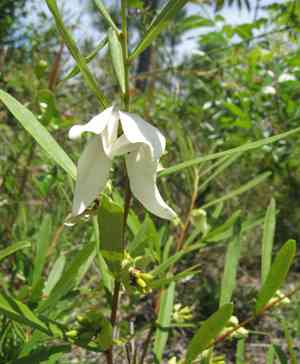
Slimleaf pawpaw brings a distinct aesthetic charm to landscaping projects. Its slender foliage and delicate blooms offer a subtle beauty that harmonizes well with various garden styles, whether aiming for a natural look or a more structured design. It's a versatile plant that can enhance the visual interest of any outdoor space.
Supporting Wildlife in Your Backyard
By incorporating Slimleaf pawpaw into your landscaping, you're not just beautifying your garden but also creating a miniature ecosystem. The plant supports local wildlife, from pollinators to small mammals, fostering a biodiverse environment in your own backyard. This can be particularly rewarding for those who enjoy birdwatching or observing nature up close.
What Are the Broader Ecological Impacts of Slimleaf pawpaw?
Boosting Local Ecosystems
On a larger scale, planting Slimleaf pawpaw contributes to the vitality and resilience of local ecosystems. By providing food and habitat for wildlife, it helps maintain ecological balance and supports the functioning of food webs. This is especially crucial in areas affected by urbanization or agricultural development.
Role in Conservation Efforts
Given its various advantages, Slimleaf pawpaw can play a part in conservation initiatives aimed at preserving native flora and fauna. Projects focused on habitat restoration and biodiversity often include planting native species like Slimleaf pawpaw to rebuild and strengthen ecosystems. Its ease of growth and adaptability make it a practical choice for such endeavors.



