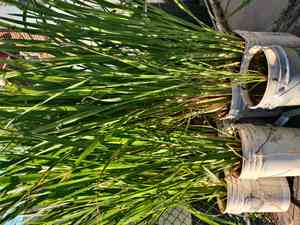
Manchurian wildrice (Zizania latifolia)
Also known as: Manchurian rice-grass
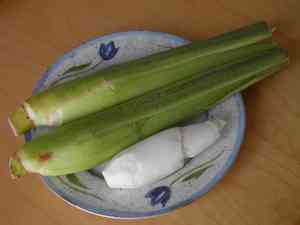
Manchurian wild rice (Zizania latifolia) is a wild rice species originating from eastern Asia. Unlike other rice species, it is valued for its stems, which swell and become juicy when infected by a specific fungus. This plant has turned invasive in New Zealand and is banned from import into the United States.
In This Article
Attributes of Manchurian wildrice
Lifespan
Perennial
Plant Type
Herb
Plant Height
1 m to 2 m
Spread
N/A
Leaf Color
Green
Flower Size
1 cm to 1.5 cm
Flower Color
Yellow Green Brown
Images of Manchurian wildrice
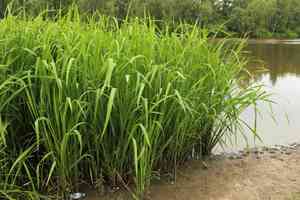
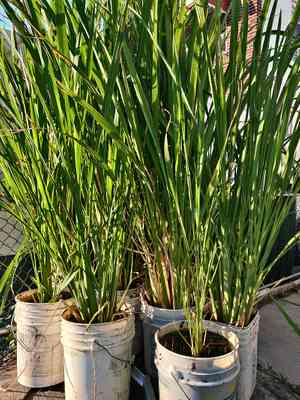
Quickly Identify Manchurian wildrice
1
Zizania latifolia can be identified by its tall, slender stems and lance-shaped leaves. The stems are often harvested before flowering, when the plant reaches about 1-1.5 meters in height.
Scientific Classification of Manchurian wildrice
Phylum
Vascular plants
Class
Monocotyledons
Order
Grasses, sedges and allies
Family
Grass
Genus
Wild rice
Species
Manchurian wildrice
Planting and Growing of Manchurian wildrice
Care Difficulty
Easy
Watering Schedule
Every 2 days
Sunlight Requirements
Partial sun
Sunshine Duration
4-8 hours
Ideal Temperature
68-86℉
Soil Type
Potting Mix, Peat Mix
Soil pH
6.5-7.5
Fertilizer Type
Balanced
Pruning Season
Spring, Summer
Pruning Area
Branches, Leaves
Pruning Frequency
2 times a year
Repotting Season
Spring
Pot Type
Terracotta, Plastic
 How to Water Manchurian wildrice?
Zizania latifolia thrives in moist conditions. When watering, ensure the soil is thoroughly soaked but not waterlogged. A balance of 600 ml per session is ideal to maintain the right level of moisture.
What are the symptoms of an underwatered Manchurian wildrice?
›
What should I do if my Manchurian wildrice is not getting enough water?
›
What are the symptoms of an overwatered Manchurian wildrice?
›
How to save an overwatered Manchurian wildrice?
›
 What Are the Sunlight Requirements for Manchurian wildrice?
Partial sun exposure is ideal for Zizania latifolia, which translates to about four to six hours of sun each day. This balanced light supports its natural growth process, promoting healthy foliage and a stable growth pattern.
What is the ideal lighting condition for Zizania latifolia?
›
How can one achieve ideal lighting for Zizania latifolia?
›
What benefits arise from Zizania latifolia receiving ideal light?
›
 What Is the Ideal Temperature Range for Manchurian wildrice?
The ideal temperature range for Zizania latifolia is between 68°F and 86°F. This range provides the best conditions for growth and development, ensuring healthy plants. Adequate warmth facilitates optimum photosynthesis and nutrient absorption.
 What Soil is Best for Manchurian wildrice?
Zizania latifolia requires soil that retains moisture well, as it naturally grows in wetland areas. Ensuring consistent soil moisture is critical for the plant’s healthy growth and maximizes nutrient uptake. The plant thrives in soils that are rich in nutrients, particularly organic matter. This contributes to vigorous growth and the development of robust shoots, which are prized in culinary applications. Although Zizania latifolia needs moisture, it also requires well-aerated soil to prevent root rot. Well-draining soils like sandy loam facilitate good air exchange, promoting root health.
 How to Fertilize Manchurian wildrice?
Zizania latifolia requires a balanced fertilizer application to sustain its vigorous growth. When applying liquid fertilizers, use a diluted formula of approximately 10-20-10 NPK, making sure you use about 1 liter per square meter of planting. For slow-release fertilizers, consider a general-purpose formulation granule at a rate of 5 kilograms per hectare.
 How to Prune Manchurian wildrice?
Begin by preparing your tools—sharp, sterilized shears are essential to avoid pathogen transmission. Ensure to wear gloves, as Zizania latifolia can have sharp leaves which might cut your skin. Inspect the plant for dead or yellowing leaves. These should be removed first as they can harbor pests and diseases that might spread to healthy parts of the plant. Perform cuts at a 45-degree angle near the base of the leaves or stems you're removing. This method prevents water from pooling on the cut surface, reducing the risk of rot. Trim the top shoots sparingly. This action encourages lateral branches to flourish, leading to a bushier plant that maximizes sunlight absorption and heightens aesthetic value.
More About Pruning Techniques→
 How to Propagate Manchurian wildrice plant?
1
Begin by soaking Zizania latifolia seeds in water for 24 hours to initiate germination. This softens the seed coat, allowing for easier sprouting.
2
Sow the pre-soaked seeds in seed trays filled with suitable soil mix. Cover them lightly with soil, ensuring they are not buried too deep. Maintain the soil moisture consistently.
3
For division, carefully dig up mature plant clumps in spring. Use a sharp tool to divide the clump into multiple sections, ensuring each section has roots. Replant immediately.
 How to Repot Manchurian wildrice plant?
1
Zizania latifolia should be repotted when you notice the roots are tightly packed and emerging from the drainage holes, indicating they have outgrown the pot. Additionally, if the soil condition deteriorates, becoming overly compacted or ineffective at retaining moisture, it's a signal to repot. This typically occurs every two to three years or when growth visibly slows down.
2
Select a pot that is one size larger than the current container, with sufficient drainage holes to prevent waterlogging. A slightly larger pot allows for root expansion without overwhelming the plant, ensuring a balanced growth environment. Clay pots are beneficial for their breathability, helping to prevent overwatering.
3
Opt for a moist, well-drained loam that can retain moisture while allowing free drainage. The soil should be rich in organic matter to provide essential nutrients as Zizania latifolia thrives in nutrient-dense environments. This ensures healthy root development and robust plant growth.
Learn More About Manchurian wildrice Diseases
Anthracnose
Bacterial Leaf Spot
Bacterial Soft Rot
Bacterial Wilt
Chemical Injury
Damping-off
Downy Mildew
Drought Stress
Fusarium Wilt
Gray Mold
Leaf Spot
Mosaic
Nutrient Deficiency
Nutrient Toxicity
Powdery Mildew
Root Rot
Root-knot Nematode
Rusts
Sooty Mold
Spider Mites
Temperature Stress
Thrips Damage
White Mold



