How to Prune Manchurian wildrice?
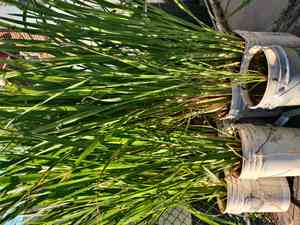
Manchurian wildrice, a perennial aquatic grass recognized for its lofty height and palatable shoots, flourishes with judicious trimming. The ideal time for pruning is from late winter to early spring, right before new growth begins. Eliminate any dead or compromised stems at their base to stimulate the emergence of robust shoots. Restrict trimming to only essential growth removal to preserve the plant's health and vitality, as excessive cutting can impede its progress. Pruning improves air movement and diminishes the likelihood of disease, contributing to the plant's general resilience.
What Are the Benefits of Pruning Manchurian Wildrice?
What Are the Benefits of Pruning Manchurian Wildrice?
Trimming manchurian wildrice promotes robust development and helps keep its desired form. This practice prevents excessive growth, which can lead to inadequate air circulation and increased disease vulnerability within the plant.
What Is the Best Time for Pruning Manchurian Wildrice?
What Is the Best Time for Pruning Manchurian Wildrice?
During late winter and early spring, manchurian wildrice is dormant, ensuring that trimming will not disrupt its growth cycle, health, or blooming period. Pruning in late winter, before spring growth begins, allows gardeners to cleanly remove dead or damaged foliage without risking new growth being harmed by late frosts. Early spring provides an opportunity for gardeners to shape manchurian wildrice as it emerges from dormancy, while still avoiding stress on new growth that can occur if pruning is done too late in the season. This timing helps stimulate strong new growth and revitalizes manchurian wildrice for the upcoming growing season, ensuring better health and vigor. It is also easier to identify parts needing pruning before the plant's foliage becomes dense.
What Tools Do I Need to Prune Manchurian Wildrice?
Sharp Bypass Pruners
Perfect for making clean cuts on the green, living stems of manchurian wildrice, bypass pruners are less likely to harm the plant's tissues.
Long-Handled Loppers
Suitable for reaching into dense clumps of manchurian wildrice and providing the necessary leverage to cut through thicker stems.
Pruning Saw
For mature or thicker stems too large for pruners or loppers, a pruning saw makes precise cuts without damaging the plant.
Gardening Shears
Useful for trimming and shaping the grass-like foliage of manchurian wildrice, encouraging healthy growth and maintaining its desired look.
How to Prune Manchurian Wildrice
Cleaning tools
Before trimming manchurian wildrice, ensure all pruning tools are clean and sharp to prevent disease spread and make precise cuts.
Identification
Identify the diseased and withered leaves on manchurian wildrice, being careful not to mistake them for healthy growth.
Cutting diseased
Carefully remove diseased leaves by cutting them at the base of the leaf stem, taking care not to harm new shoots or healthy tissue.
Cutting withered
Trim withered leaves similarly, cutting at the base of the leaf stem, to prevent nutrient loss that could benefit healthier parts of manchurian wildrice.
Disposal
Properly dispose of removed diseased and withered leaves to prevent any potential spread of pathogens in the garden.
Common Pruning Mistakes with Manchurian Wildrice
Overpruning
Cutting back manchurian wildrice too severely can stress the plant, leading to stunted growth or failure to thrive. Manchurian wildrice can tolerate some trimming, but removing too much foliage can hinder its ability to photosynthesize effectively.
Incorrect Cutting Technique
Using dull or dirty tools can damage the stems of manchurian wildrice, creating jagged cuts that are more susceptible to diseases. Clean, sharp pruning shears are essential to make clean cuts that heal quickly.
Pruning for Shape Only
Focusing solely on the plant's shape rather than its health can result in manchurian wildrice with poor structure and reduced vigor. It's important to balance aesthetic considerations with the plant's natural growth pattern and health.
Neglecting Diseased or Dead Material
Overlooking or failing to remove dead, diseased, or damaged foliage can invite pests and diseases, which can spread and weaken manchurian wildrice. Prompt removal of unhealthy material is crucial for maintaining the health of manchurian wildrice.
Common Pruning Tips for Manchurian Wildrice
Selective Pruning
Remove only the necessary parts of manchurian wildrice, such as dead or diseased stems, to maintain plant health. Focus on thinning out crowded areas to increase air circulation and light penetration.
Proper Tool Maintenance
Ensure that the pruning tools are sharp and disinfected before use to make smooth cuts and reduce the risk of disease transmission to manchurian wildrice.
Consider the Growth Pattern
Understand the natural growth habit of manchurian wildrice to make informed pruning decisions that support the plant's development. This involves recognizing where and how new growth occurs.
Prune for Health
Prioritize the removal of dead, dying, or diseased foliage to prevent the spread of pests and diseases in manchurian wildrice. Also, consider removing any growth that crosses or rubs against other stems to prevent damage.



