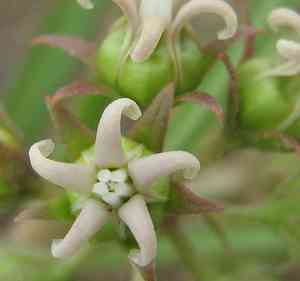
Stenostelma capense (Stenostelma capense)
Also known as: Cape Milkweed
Stenostelma capense is a distinctive perennial herb with elongated, slender stems and bell-shaped flowers, often colored in muted yellows or greens. This South African native has adapted to rocky terrains, employing its tuberous roots for both anchorage and moisture storage, which enables it to survive in arid conditions. Its peculiar curved corolla and protruding stamens attract specialized pollinators, vital for its reproduction in the fynbos ecosystem.
In This Article
Attributes of Stenostelma capense
Lifespan
Perennial
Plant Type
Herb
Plant Height
30-50 cm
Spread
20-30 cm
Leaf Color
Green
Flower Size
0.5-1 cm
Flower Color
Greenish-white to cream
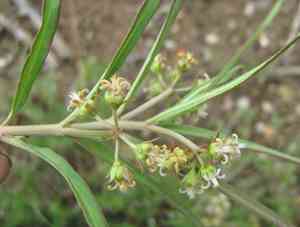
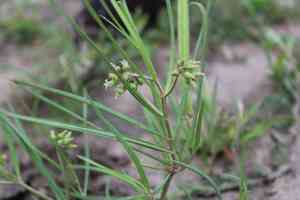
Images of Stenostelma capense

Quickly Identify Stenostelma capense
1
The plant can be identified by its milky latex when cut, fine linear leaves, and small greenish-white to cream-colored flowers. The flowers consist of five petals forming a star-like pattern.
Scientific Classification of Stenostelma capense
Phylum
Vascular plants
Class
Dicotyledons
Order
Gentianales
Family
Dogbane
Genus
Stenostelma
Species
Stenostelma capense
Planting and Growing of Stenostelma capense
Care Difficulty
Moderate
Watering Schedule
Every 2 days
Sunlight Requirements
Partial sun
Sunshine Duration
6-10 hours
Ideal Temperature
60-75℉
Soil Type
Potting Mix, Peat Mix
Soil pH
6.5-7.5
Fertilizer Type
Balanced
Pruning Season
Spring, Summer
Pruning Area
Branches, Leaves
Pruning Frequency
2 times a year
Repotting Season
Spring
Pot Type
Plastic, Ceramic
 How to Water Stenostelma capense?
For Stenostelma capense, the watering amount should be about 200 milliliters per session. This amount ensures that the roots get enough moisture without becoming waterlogged. Water until the soil feels evenly moist but not saturated, and check for any excess water draining out, which indicates it's enough.
What are the symptoms of an underwatered Stenostelma capense?
›
What should I do if my Stenostelma capense is not getting enough water?
›
What are the symptoms of an overwatered Stenostelma capense?
›
How to save an overwatered Stenostelma capense?
›
 What Are the Sunlight Requirements for Stenostelma capense?
The ideal light range for Stenostelma capense involves partial sun, which is beneficial for maintaining healthy, vibrant foliage and robust growth. This balance ensures the plant absorbs necessary light without risking damage from excessive exposure.
How much sunlight does it need?
›
What are the solutions to achieve ideal lighting?
›
What are the benefits of receiving ideal lighting?
›
 What Is the Ideal Temperature Range for Stenostelma capense?
Stenostelma capense thrives in conditions where the temperature is consistently between 60°F and 75°F. This range provides optimal growth conditions, ensuring the plant can perform photosynthesis efficiently while maintaining healthy development.
 What Soil is Best for Stenostelma capense?
Stenostelma capense thrives in soil with excellent drainage. This helps prevent root rot and ensures the plant's roots have access to the necessary oxygen. The plant requires a balanced mix of nutrients. Ensuring the soil is neither too rich nor too poor in nutrients promotes healthy growth and vibrant foliage. A moderate presence of organic matter in the soil helps retain moisture without becoming waterlogged, providing a stable environment for root growth.
 How to Fertilize Stenostelma capense?
For Stenostelma capense, when using liquid fertilizers, ensure you apply at a concentration of half the recommended dosage every month to prevent nutrient burn. When applying slow-release fertilizers, use about a tablespoon spread evenly over the soil for each application to provide a steady nutrient supply without overwhelming the plant.
 How to Prune Stenostelma capense?
Begin by identifying any dead, damaged, or diseased stems – these should be your primary focus for removal. Use sterilized, sharp pruning shears to avoid damaging the plant. Make clean cuts at a slight angle to prevent water accumulation and potential rot. Focus on shaping the plant for aesthetic appeal while ensuring balanced growth. Trim back leggy or excessively long stems to promote bushier growth. When pruning for growth promotion, make cuts just above a leaf node to stimulate new shoots. This not only maintains the plant's shape but also allows for increased branching and richer foliage density.
More About Pruning Techniques→
 How to Propagate Stenostelma capense plant?
1
For seed propagation, collect mature seeds from the plant and ensure they are clean and dry. For cutting propagation, select healthy stems and cut them at an angle just below a node to stimulate root growth.
2
Prepare a well-draining potting mix that provides adequate aeration and moisture retention. For seed planting, lightly cover the seeds with the mix. For cuttings, make a small hole in the mix and insert the cutting gently.
3
After sowing seeds or planting cuttings, water the soil to ensure it's moist but not waterlogged. Cover with a plastic dome or place in a propagator to maintain high humidity levels, which aids in germination and root development.
 How to Repot Stenostelma capense plant?
1
Recognize when to repot Stenostelma capense by observing its growth patterns. If you notice roots protruding through drainage holes, or the plant seems too snug in its current pot, it's an indication that repotting is necessary. Typically, the best time is during its active growing season, ensuring minimal stress on the plant.
2
Select a pot one size larger than the current one, ensuring it has ample drainage holes. The ideal pot should enhance airflow and prevent waterlogging, which could harm the plant's roots. Choosing a pot with proper drainage ensures that the plant remains healthy by minimizing the risk of root rot.
3
Opt for a well-draining sandy soil mix for repotting Stenostelma capense. The chosen soil should mimic the plant's natural habitat, promoting quick water drainage and preventing root rot. A sandy mix helps in retaining minimal moisture, thus providing an optimal growing environment.
Toxicity
Ingestion
WARNING
The judgment on toxicity and danger is for reference only. We DO NOT GUARANTEE any accuracy of such judgment. Therefore, you SHALL NOT rely on such judgment. It is IMPORTANT TO SEEK PROFESSIONAL ADVICE in advance when necessary.
Learn More About Stenostelma capense Diseases
Anthracnose
Bacterial Leaf Spot
Bacterial Soft Rot
Bacterial Wilt
Black Spot
Chemical Injury
Crown Gall
Cyst Nematode
Damping-off
Downy Mildew
Drought Stress
Fusarium Wilt
Gray Mold
Leaf Spot
Mosaic
Nutrient Deficiency
Nutrient Toxicity
Powdery Mildew
Root Rot
Root-knot Nematode
Rusts
Sooty Mold
Spider Mites
Temperature Stress
Thrips Damage
White Mold



