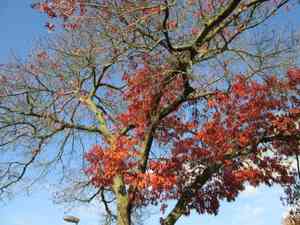
Scarlet oak (Quercus coccinea)
Also known as: Red oak
The Scarlet Oak (*Quercus coccinea*) is an oak species native to the Midwest, Eastern, and Southern United States. It is widely grown for its ornamental value, particularly its striking fall foliage.
Attributes of Scarlet oak
Images of Scarlet oak
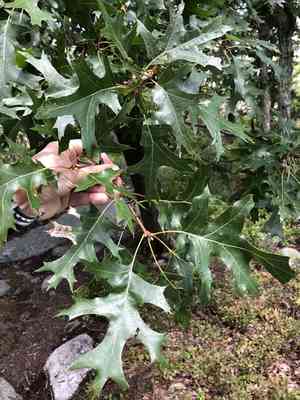
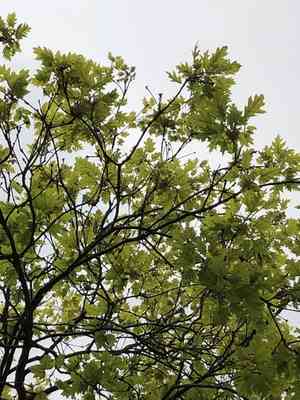
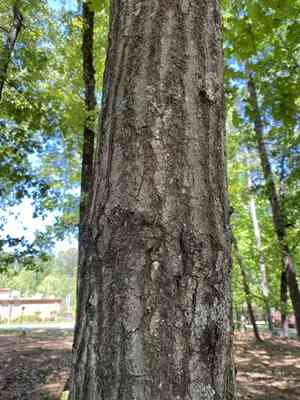
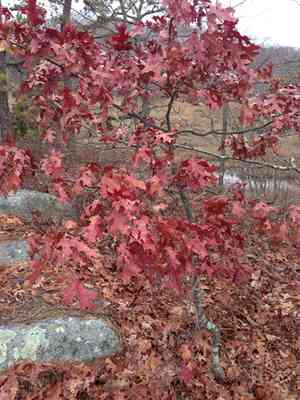
Quickly Identify Scarlet oak
Scientific Classification of Scarlet oak
Planting and Growing of Scarlet oak
 How to Water Scarlet oak?
 What Are the Sunlight Requirements for Scarlet oak?
 What Is the Ideal Temperature Range for Scarlet oak?
 What Soil is Best for Scarlet oak?
 How to Fertilize Scarlet oak?
 How to Prune Scarlet oak?
 How to Propagate Scarlet oak plant?
 How to Repot Scarlet oak plant?
Toxicity of Scarlet oak
Is Scarlet oak toxic to humans?
The tissues of the scarlet oak tree, which include its leaves and seeds, are rich in tannins. This characteristic imparts a strong bitterness to the plant, deterring most animals from consuming it. However, young children and individuals with cognitive impairments may inadvertently consume parts of the tree. The primary effects of tannins include gastrointestinal issues, leading to symptoms such as constipation, diarrhea, nausea, and abdominal cramps. Additionally, those who have been exposed may experience depressive symptoms along with a frequent occurrence of dark-colored urine as their body works to eliminate the toxin. Furthermore, swallowing acorns whole can result in intestinal blockages.
Is Scarlet oak toxic to cat?
The scarlet oak presents a low toxicity hazard for cats. When felines consume large quantities of the plant's leaves or seeds, they can experience poisoning. Following the ingestion of scarlet oak components, cats may show symptoms of discomfort or illness. Pet owners must remain watchful in order to stop their cats from nibbling on or swallowing this plant to prevent possible health complications. If a cat happens to eat scarlet oak, it is crucial to obtain prompt veterinary assistance to secure appropriate treatment.
Is Scarlet oak toxic to dog?
The scarlet oak species presents a mild toxicity risk to dogs. Dogs may be poisoned primarily by ingesting large amounts of the plant's leaves and seeds. If a dog consumes any part of the scarlet oak, it might show symptoms indicative of poisoning, which can include gastrointestinal disturbances such as vomiting or diarrhea, and in some instances, more severe reactions depending on the volume ingested. It is essential for dog owners to closely observe their pets and prevent access to the scarlet oak to avert potential poisoning scenarios. If a dog reveals any signs of distress after ingesting this plant, it is paramount to seek immediate veterinary attention to ensure timely and suitable treatment.



