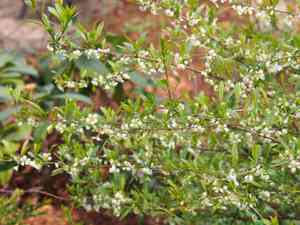
cherry prinsepia (Prinsepia utilis)
Also known as: Sikkim harsh thorn
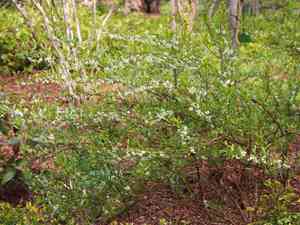
Prinsepia utilis is a shrub that typically reaches heights of 1 to 5 meters. It features thick, gray-green branches that can be angled and range from brown-haired to nearly bare. The plant is characterized by thorns that can grow up to 9 cm long, often bearing small leaves. Its winter buds are purple, ovate to oblong, and mostly hairless.
In This Article
Attributes of cherry prinsepia
Lifespan
Perennial
Plant Type
Shrub
Plant Height
3.5 m
Spread
1.5 m to 2.5 m
Leaf Color
Green
Flower Size
1 cm
Flower Color
White
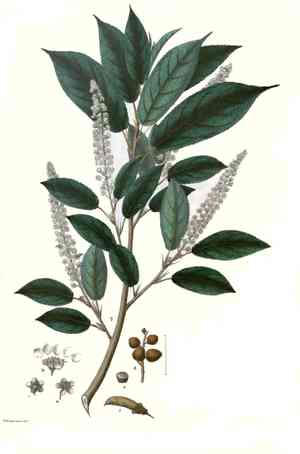
Images of cherry prinsepia
Quickly Identify cherry prinsepia
1
Identifiable by its thorny branches, spirally arranged, oblong-lanceolate leaves, and small yellow to white flowers in spring. The fruit is a small drupe, turning from green to red or black when ripe.
Scientific Classification of cherry prinsepia
Phylum
Vascular plants
Class
Dicotyledons
Order
Roses, elms, figs, and allies
Family
Rose
Genus
Prinsepia
Species
cherry prinsepia
Planting and Growing of cherry prinsepia
Care Difficulty
Easy
Watering Schedule
Every 2 days
Sunlight Requirements
Full sun
Sunshine Duration
6-10 hours
Ideal Temperature
55-75℉
Soil Type
Potting Mix, Peat Mix
Soil pH
6.5-7.5
Fertilizer Type
Balanced
Pruning Season
Spring, Summer
Pruning Area
Branches, Leaves
Pruning Frequency
2 times a year
Repotting Season
Spring
Pot Type
Plastic, Ceramic
 How to Water cherry prinsepia?
For Prinsepia utilis, water it until the soil is evenly moist but not soggy. Aim to soak the soil thoroughly so that about 500 ml of water is applied each time. Ensure that the excess water drains away completely to prevent root rot.
What are the symptoms of an underwatered cherry prinsepia?
›
What should I do if my cherry prinsepia is not getting enough water?
›
What are the symptoms of an overwatered cherry prinsepia?
›
How to save an overwatered cherry prinsepia?
›
 What Are the Sunlight Requirements for cherry prinsepia?
Providing a full sun to partial sun environment allows Prinsepia utilis to flourish, ensuring efficient energy conversion and strong growth. Full sunlight bolsters foliage density and enhances bloom potential, contributing to its overall vigor.
More About Sunlight Requirements Techniques→
What is the best lighting for Prinsepia utilis?
›
How to achieve ideal light conditions?
›
Benefits of ideal lighting
›
 What Is the Ideal Temperature Range for cherry prinsepia?
For optimal growth, Prinsepia utilis requires a temperature range between 55°F and 75°F. This range supports active growth while ensuring the plant is not stressed by extreme cold or heat. Maintaining this temperature range encourages robust photosynthesis and nutrient uptake, leading to healthier plants and better fruit production.
 What Soil is Best for cherry prinsepia?
Prinsepia utilis thrives in well-drained soils that prevent waterlogging. Adequate drainage allows roots to access necessary oxygen and reduces the risk of root rot, promoting healthy growth. The plant prefers soils with moderate nutrient content, which supports its growth without causing excessive vegetative growth. Balancing nutrients ensures strong, healthy development throughout seasons. While avoiding waterlogged conditions, Prinsepia utilis benefits from soils that can retain moisture. This characteristic is crucial for maintaining hydration during dry spells, ensuring continuous growth.
 How to Fertilize cherry prinsepia?
For Prinsepia utilis, the amount of fertilizer depends on its growing conditions and season. During the active growing period, apply a balanced liquid fertilizer at half the recommended concentration. Over-fertilization can harm the plant, leading to excessive foliage growth at the expense of fruiting.
 How to Prune cherry prinsepia?
Begin by removing any dead, damaged, or crossing branches. Then, focus on thinning out crowded areas to ensure better air circulation and light penetration. Trim back up to one-third of the oldest branches to encourage new growth. Maintain the natural shape of the plant, ensuring balanced growth all around.
More About Pruning Techniques→
 How to Propagate cherry prinsepia plant?
1
To propagate Prinsepia utilis via seeds, collect mature seeds from the plant. Make sure they are fully ripe, as this increases the chances of successful germination. Clean the seeds by removing any pulp or debris.
2
When using cutting propagation, select healthy, semi-hardwood stems from the plant. Cut a segment of about 10-15 cm in length, ensuring it has several leaves. Remove the lower leaves to expose the nodes, which will encourage root development.
3
For both seeds and cuttings, plant them in a well-draining soil mix, and maintain a consistent soil moisture level. Provide warmth and indirect sunlight to enhance germination and rooting. Mist regularly to keep the humidity high but avoid overwatering.
 How to Repot cherry prinsepia plant?
1
To determine when to repot Prinsepia utilis, watch for signs like roots emerging from drainage holes, or if the plant's growth becomes stunted. Ideally, repot during early spring when the plant is about to enter its active growing phase, providing sufficient time for root establishment.
2
Choose a pot that is 1-2 inches larger in diameter than the current one. This prevents over-potting while allowing adequate room for growth. Ensure it has drainage holes, as good drainage is crucial to prevent root rot, keeping the plant healthy and vigorous.
3
Select a well-draining acidic soil mix, which mimics the plant's natural hilly habitat. This type of soil ensures excess water drains away, preventing root rot, while its acidity provides essential nutrients that enhance the plant's growth and health.
Learn More About cherry prinsepia Diseases
Anthracnose
Bacterial Leaf Spot
Black Spot
Chemical Injury
Crown Gall
Damping-off
Downy Mildew
Drought Stress
Fusarium Wilt
Gray Mold
Leaf Curl
Leaf Spot
Mosaic
Nutrient Deficiency
Nutrient Toxicity
Powdery Mildew
Root Rot
Root-knot Nematode
Rusts
Sooty Mold
Spider Mites
Temperature Stress
Thrips Damage
White Mold



