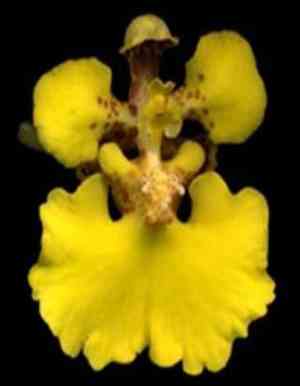
Greater purple fringed orchid (Platanthera grandiflora)
Also known as: Showy Orchid, Large Purple Fringed Orchid
The Greater purple fringed orchid (Platanthera grandiflora) is native to North America, particularly along the eastern regions from Quebec to Georgia. This orchid flourishes in wetland environments such as bogs, marshes, and swamps, as well as in moist forests and fields.
In This Article
Attributes of Greater purple fringed orchid
Lifespan
Perennial
Plant Type
Herb
Plant Height
27 cm to 1.2 m
Spread
90 cm to 1.8 m
Leaf Color
Green
Flower Size
1.3 cm to 2.5 cm
Flower Color
Pink Purple
Images of Greater purple fringed orchid
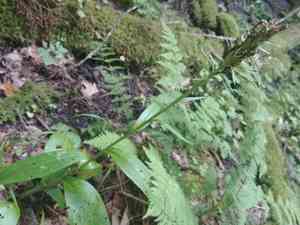
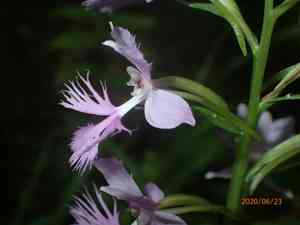
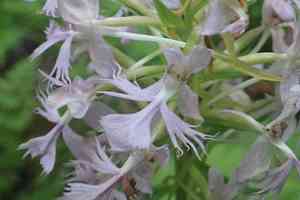
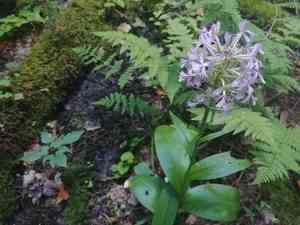
Quickly Identify Greater purple fringed orchid
1
Recognize Platanthera grandiflora by its vibrant purple flowers with deeply fringed petals. The leaves are typically lanceolate and situated at the base of the stem.
Scientific Classification of Greater purple fringed orchid
Phylum
Vascular plants
Class
Monocotyledons
Order
Asparagales
Family
Orchid
Genus
Bog orchids
Species
Greater purple fringed orchid
Planting and Growing of Greater purple fringed orchid
Care Difficulty
Hard
Watering Schedule
Every 3 days
Sunlight Requirements
Partial sun
Sunshine Duration
4-8 hours
Ideal Temperature
65-75℉
Soil Type
Potting Mix, Peat Mix
Soil pH
6.5-7.5
Fertilizer Type
Balanced
Pruning Season
Spring, Summer
Pruning Area
Branches, Leaves
Pruning Frequency
2 times a year
Repotting Season
Spring
Pot Type
Plastic, Ceramic
 How to Water Greater purple fringed orchid?
For Platanthera grandiflora, ensure each watering is thorough but not excessive, meaning the soil should be evenly moist yet not soggy. The goal is to mimic its natural damp woodland habitat. A good rule is to water until the soil is moist about 1-2 inches below the surface, roughly requiring about 250 ml each watering session.
What are the symptoms of an underwatered Greater purple fringed orchid?
›
What should I do if my Greater purple fringed orchid is not getting enough water?
›
What are the symptoms of an overwatered Greater purple fringed orchid?
›
How to save an overwatered Greater purple fringed orchid?
›
 What Are the Sunlight Requirements for Greater purple fringed orchid?
Platanthera grandiflora prefers partial sunlight to emulate its natural environment, providing energy for healthy development and beautiful floral displays.
More About Sunlight Requirements Techniques→
What is the optimal sunlight level for Platanthera grandiflora?
›
How to achieve ideal lighting for Platanthera grandiflora?
›
What benefits do ideal lighting conditions bring?
›
 What Is the Ideal Temperature Range for Greater purple fringed orchid?
The optimal temperature range for the growth of Platanthera grandiflora is between 65°F and 75°F. This range ensures that the plant can perform photosynthesis efficiently and maintain metabolic processes effectively. A stable temperature in this range supports healthy root development and flowering.
 What Soil is Best for Greater purple fringed orchid?
Platanthera grandiflora thrives in soils that retain moisture without becoming waterlogged. The ideal soil should balance drainage with the capacity to hold enough moisture to support the plant during dry spells, ensuring optimal growth and bloom production. This plant benefits from a soil rich in organic matter, which provides essential nutrients. This nutrient-rich environment supports robust root development and enhances the overall vigor and health of the plant, leading to larger and more vibrant flowers. It requires a soil structure that promotes good air circulation around the roots. Proper aeration prevents root rot, facilitates nutrient uptake, and enhances the microbial activity necessary for healthy plant growth.
 How to Fertilize Greater purple fringed orchid?
For Platanthera grandiflora, it is crucial to apply a balanced fertilizer that is diluted to half the strength recommended on the packaging. Over-fertilization can harm this delicate species, so moderation is key. Typically, use about 10-15 milliliters of liquid fertilizer per liter of water.
 How to Prune Greater purple fringed orchid?
Ensure to use clean and sharp pruning shears. Sterilize the shears before use to prevent any potential disease from spreading to other parts of the plant. This cleanliness is crucial for the health of Platanthera grandiflora. Look for dead, damaged, or diseased parts of the plant. These should be the primary focus for pruning as they can drain valuable resources from the healthy parts of the plant. Gently remove these sections to promote healthier growth. Make clean cuts at a slight angle just above a node or leaf junction. This technique allows for rainwater to slide off easily, reducing the risk of rot and disease at the cut site. Keep the cuts minimal to avoid stressing the plant.
More About Pruning Techniques→
 How to Propagate Greater purple fringed orchid plant?
1
Carefully collect mature seeds from the plant, ensuring they are fully dry before storage or planting. This helps prevent mold and ensures the seeds are viable for germination.
2
Fill the seed tray with a germination mix, and lightly moisten it. Ensure that the mix fills the tray evenly, providing a stable foundation for the seeds.
3
Distribute the seeds evenly across the surface of the soil, covering them lightly with a thin layer of the germination mix. This helps protect the seeds while allowing light exposure for certain species.
 How to Repot Greater purple fringed orchid plant?
1
Repot Platanthera grandiflora when you notice that roots are starting to circle the pot or when growth slows down, indicating that the soil's nutrients might be depleted. These signs often occur in early spring or autumn, aligning perfectly with its repotting seasons.
2
Select a pot that is one size larger than the current one, ensuring it has excellent drainage holes. This choice prevents water from accumulating at the bottom, thwarting root rot and ensuring the plant's health by maintaining optimum moisture levels.
3
Opt for a well-draining orchid mix that can mimic the natural forest floor substrate. Such a mix ensures strong root aeration and moisture retention, vital for Platanthera grandiflora's growth and the prevention of suffocation or root illness.
Learn More About Greater purple fringed orchid Diseases
Anthracnose
Bacterial Leaf Spot
Bacterial Soft Rot
Bacterial Wilt
Black Spot
Chemical Injury
Crown Gall
Cyst Nematode
Damping-off
Downy Mildew
Drought Stress
Fusarium Wilt
Gray Mold
Leaf Curl
Leaf Spot
Mosaic
Nutrient Deficiency
Nutrient Toxicity
Powdery Mildew
Root Rot
Root-knot Nematode
Rusts
Sooty Mold
Spider Mites
Temperature Stress
Thrips Damage
White Mold



