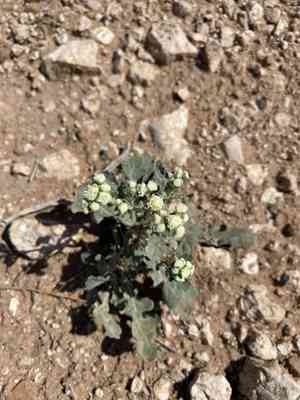
Gray's feverfew (Parthenium confertum)
Also known as: No common aliases available
Sagebrush (Artemisia tridentata) is a tough perennial known for its resilience in dry environments. It features silvery-green leaves and produces small, clustered white flowers. This plant's deep root system helps it reach water in arid soils, making it exceptionally well-suited for surviving harsh conditions.
In This Article
Attributes of Gray's feverfew
Lifespan
Perennial
Plant Type
Herb
Plant Height
0.5-1.5 meters
Spread
1-1.5 meters
Leaf Color
Green
Flower Size
0.2-0.5 centimeters
Flower Color
White
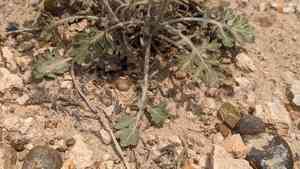
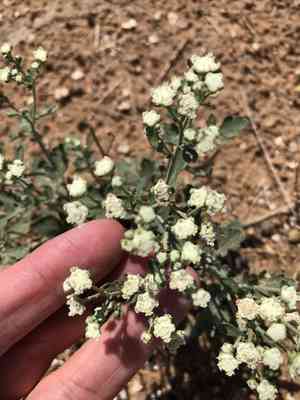
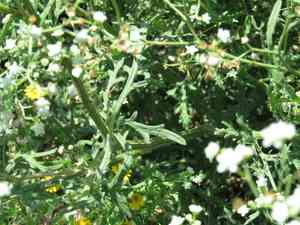
Images of Gray's feverfew
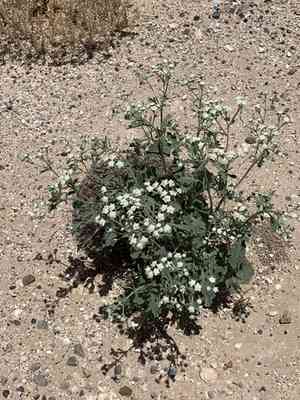
Quickly Identify Gray's feverfew
1
This plant can be identified by its lobed and finely divided leaves, small white flowers grouped in clusters, and its characteristic growth habit.
Scientific Classification of Gray's feverfew
Phylum
Vascular plants
Class
Dicotyledons
Order
Asterales
Family
Daisy
Genus
Feverfews
Species
Gray's feverfew
Planting and Growing of Gray's feverfew
Care Difficulty
Easy
Watering Schedule
Every 2 days
Sunlight Requirements
Partial sun
Sunshine Duration
4-8 hours
Ideal Temperature
64-75℉
Soil Type
Potting Mix, Peat Mix
Soil pH
6.5-7.5
Fertilizer Type
Balanced
Pruning Season
Spring, Summer
Pruning Area
Branches, Leaves
Pruning Frequency
2 times a year
Repotting Season
Spring
Pot Type
Plastic, Ceramic
 How to Water Gray's feverfew?
For Parthenium confertum, each watering session should involve about 250 ml of water. Water until the topsoil is thoroughly moist, but ensure the pot allows excess water to drain freely to prevent waterlogging. This ensures the roots get sufficient moisture without becoming oversaturated.
What are the symptoms of an underwatered Gray's feverfew?
›
What should I do if my Gray's feverfew is not getting enough water?
›
What are the symptoms of an overwatered Gray's feverfew?
›
How to save an overwatered Gray's feverfew?
›
 What Are the Sunlight Requirements for Gray's feverfew?
Parthenium confertum flourishes under partial to full sun, as this range ensures vibrant foliage and robust flowering. Ideal lighting supports photosynthetic processes, enhancing growth vigor and resistance to pathogens.
How much light is ideal?
›
How to achieve ideal lighting?
›
Benefits of ideal lighting?
›
 What Is the Ideal Temperature Range for Gray's feverfew?
The ideal temperature range for cultivating Parthenium confertum is between 64°F and 75°F. Within this range, the plant can grow efficiently, carrying out photosynthesis optimally without stress caused by temperature extremes. This range ensures sufficient energy conversion and growth rate while preventing any temperature-related issues.
 What Soil is Best for Gray's feverfew?
Parthenium confertum thrives in well-drained soil, which prevents root rot by ensuring excess water drains away quickly. This ability benefits the plant by promoting healthy root systems and preventing fungal infections. This plant prefers soil rich in organic matter, which aids in maintaining proper nutrient levels and supports vigorous growth. The presence of organic material provides essential nutrients, improving overall plant health and productivity. It requires soil with moderate moisture, neither too dry nor waterlogged. Balanced moisture supports continuous nutrient uptake and prevents stress, aiding in robust and steady growth of Parthenium confertum.
 How to Fertilize Gray's feverfew?
For Parthenium confertum, a balanced fertilizer in the ratio of 10-10-10 is recommended. When using liquid fertilizers, dilute them to half the recommended strength. Solid fertilizers should be applied in amounts not exceeding 2 lbs per 100 square feet to prevent nutrient burn.
 How to Prune Gray's feverfew?
Before you start, familiarize yourself with the plant's overall structure. Identify the main stems and branches that need trimming. Always start by removing any dead or damaged parts of the plant, as this helps the plant focus its energy on healthy growth. When pruning Parthenium confertum, aim to cut just above a leaf node or bud. This encourages new growth and helps the plant maintain a compact form. Ensure that cuts are clean and at a slight angle to promote water runoff, preventing any risk of rot.
More About Pruning Techniques→
 How to Propagate Gray's feverfew plant?
1
The first step is to collect seeds from mature plants. Choose healthy specimens and extract seeds carefully to ensure they are viable for planting. The seeds should then be cleaned and stored in a dry, cool place until ready for planting.
2
Prepare a well-draining soil mix suitable for seedlings. This mix should be loose and aerated to support root growth. Adding compost can provide the necessary nutrients and help maintain moisture levels for the young plants.
3
Sow the seeds evenly on the prepared soil and cover lightly with soil mix. Ensure timely watering using a fine mist to moisten the soil evenly. Too much water can drown the seedlings, so careful monitoring is important.
 How to Repot Gray's feverfew plant?
1
Parthenium confertum often signals its need for repotting when you notice roots sprouting from the drainage holes, indicating it has outgrown its current pot. Additionally, slow growth and reduced flower production are signs that it might need a fresh start. Typically, aim for a repotting session in the spring or autumn, when the plant is in a less stressed state.
2
Select a pot that is one to two inches larger in diameter than the current one. This size allows enough space for root expansion without overwhelming the plant. A pot with good drainage is crucial to prevent waterlogging and root rot, ensuring that the Parthenium confertum thrives in its new home.
3
Choose a rich loam soil with excellent drainage properties. The perfect blend holds moisture without becoming too soggy. Such a mixture supports healthy root development by allowing sufficient air circulation and nutrient absorption, which are vital for the plant’s vitality.
Toxicity
Ingestion, Inhalation, Skin contact
WARNING
The judgment on toxicity and danger is for reference only. We DO NOT GUARANTEE any accuracy of such judgment. Therefore, you SHALL NOT rely on such judgment. It is IMPORTANT TO SEEK PROFESSIONAL ADVICE in advance when necessary.
Learn More About Gray's feverfew Diseases
Anthracnose
Bacterial Leaf Spot
Bacterial Wilt
Chemical Injury
Crown Gall
Cyst Nematode
Damping-off
Downy Mildew
Drought Stress
Fusarium Wilt
Gray Mold
Leaf Spot
Mosaic
Nutrient Deficiency
Nutrient Toxicity
Powdery Mildew
Root Rot
Root-knot Nematode
Rusts
Sooty Mold
Spider Mites
Temperature Stress
Thrips Damage
White Mold



