How to Prune Gray's feverfew?
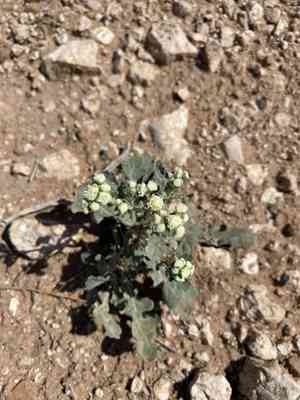
Gray's feverfew, recognized for its unique characteristics, thrives with trimming in late winter or early spring. Eliminate deceased or compromised stalks to foster more vigorous development. Periodically cut back sprawling or elongated sections to preserve form and stimulate thicker leaves. Trimming improves air movement, lowering the chance of illness, and revitalizes the plant for a strong cultivation period. Verify that implements are sanitized to avert pathogen spread. By scheduling pruning appropriately, cultivators can maximize the plant's vigor and visual charm.
What Are the Benefits of Pruning Gray's Feverfew?
What Are the Benefits of Pruning Gray's Feverfew?
Trimming gray's feverfew promotes robust development, maintains ideal form, and prevents congestion. This practice ensures the plant stays healthy, resists pests and illnesses, and enhances air circulation, leading to improved overall hardiness.
What Is the Best Time for Pruning Gray's Feverfew?
What Is the Best Time for Pruning Gray's Feverfew?
Trimming gray's feverfew in early spring or late winter ensures the plant is dormant or less active, minimizing stress and encouraging healthy regrowth. Pruning at these times helps shape the plant before the active growing season and improves airflow and light penetration, reducing disease risk. Additionally, pruning outside flowering or fruiting periods prevents the removal of flower buds and supports a strong blooming season.
What Tools Do I Need to Prune Gray's Feverfew?
Hand Pruners
Perfect for precise cuts on small stems and branches, providing clean cuts without harming the plant tissues of gray's feverfew.
Pruning Shears
Useful for shortening longer stems and branches, enabling gardeners to shape and manage gray's feverfew effectively.
Loppers
Suitable for cutting thicker branches, ensuring clean cuts to prevent disease and foster healthy growth in gray's feverfew.
Gloves
Essential for protecting hands from potentially irritating saps and ensuring a firm grip on tools while trimming gray's feverfew.
Pruning Saw
Helpful for tackling larger branches that hand pruners or loppers cannot manage, ensuring clean cuts on gray's feverfew without causing undue harm.
How to Prune Gray's Feverfew
Inspection
Examine gray's feverfew for any diseased or withered foliage. Use gloves and gardening tools for close scrutiny.
Sterilization
Sanitize your pruning shears or scissors with rubbing alcohol to prevent any potential spread of disease.
Cutting
Carefully trim back any diseased leaves by cutting them at the base of the leaf stalk. Ensure the cut is clean and avoids damaging healthy tissue.
Removal
Remove withered leaves by cutting them where the leaf stem meets the main stem. This helps prevent further decay and improves air circulation.
Disposal
Discard all cut leaves and plant material in a sealed bag or compostable waste bin to prevent the spread of diseases to other plants.
Common Pruning Mistakes with Gray's Feverfew
Incorrect technique
Using dull or unsuitable tools can lead to jagged cuts, causing unnecessary damage and increasing vulnerability to disease.
Poor tim
Pruning at the wrong time can stress the plant and hinder growth or flowering, even though the specific season is not covered here.
Over-pruning
Removing too much foliage can weaken the plant, reducing its ability to photosynthesize and recover.
Ignoring plant stress signals
Failing to notice signs of stress or illness before pruning can worsen problems and lead to further decline.
Inconsistent pruning
A lack of a regular pruning schedule can result in uneven growth and a misshapen appearance.
Common Pruning Tips for Gray's Feverfew
Sharp tools
Always use sharp and clean tools to make precise cuts, reducing the risk of damage and disease.
Moderate cut
When cutting, aim to remove no more than one-third of the plant's foliage at a time to allow it to recover and maintain its photosynthetic capacity.
Disinfect tools
Regularly disinfect pruning tools between cuts to prevent the spread of disease, especially if the plant shows signs of stress or infection.
Remove dead wood
Focus on removing dead, diseased, or damaged stems to promote healthy growth and improve airflow.
Assess plant health
Regularly monitor the plant’s health and make pruning decisions based on its current state, avoiding pruning during periods of visible stress.
Encourage open shape
Prune to encourage an open shape that allows for better air circulation, reducing the risk of fungal infections and promoting overall plant health.



